Constantinos B. Papadias - Böcker
Visar alla böcker från författaren Constantinos B. Papadias. Handla med fri frakt och snabb leverans.
5 produkter
5 produkter
1 062 kr
Skickas inom 10-15 vardagar
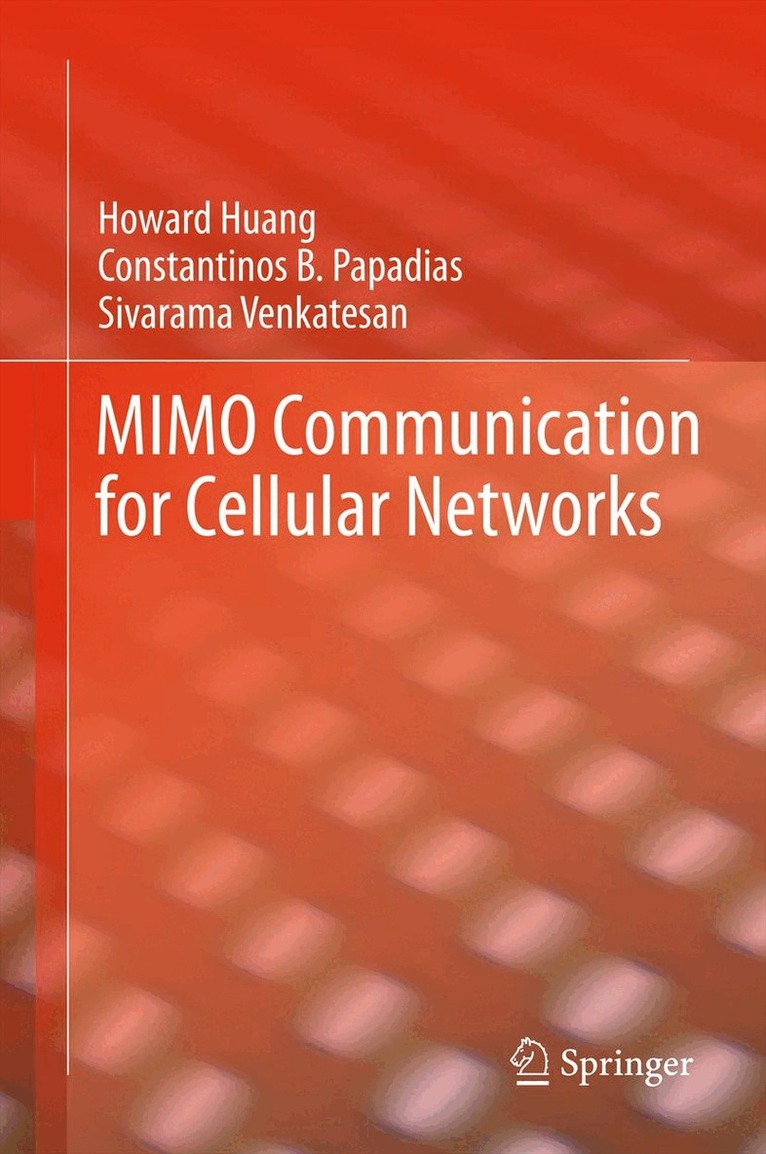
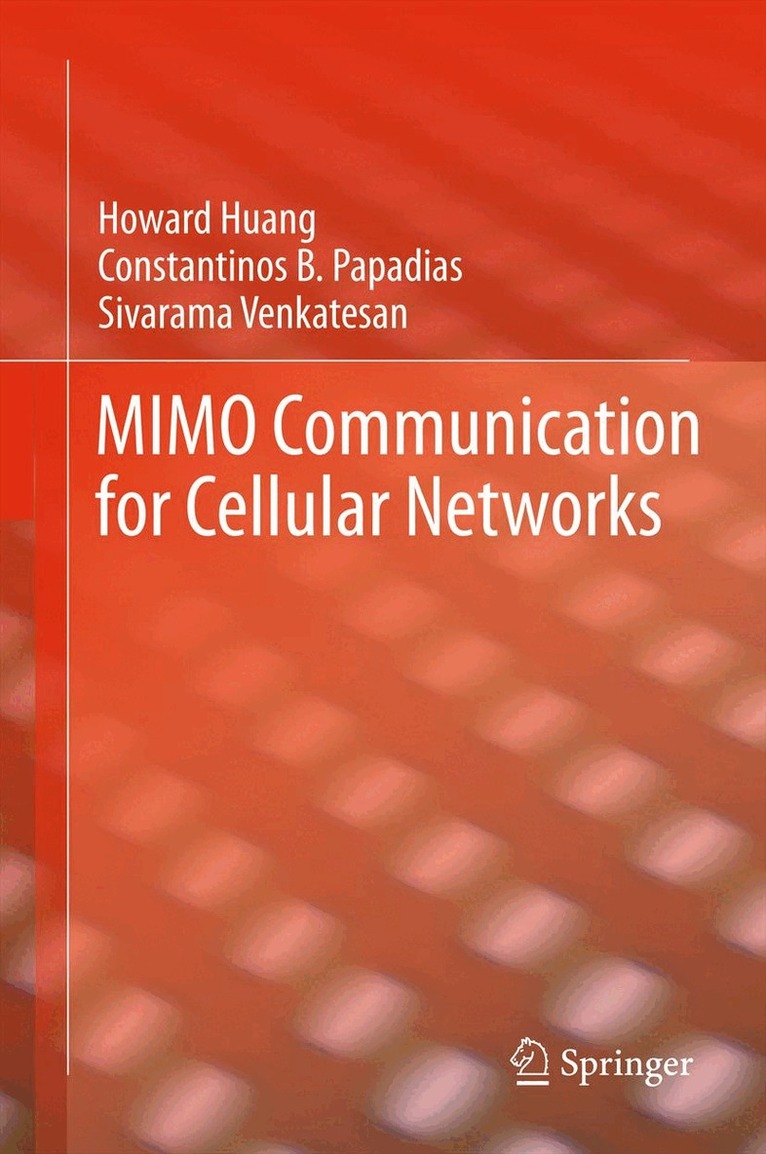
As the theoretical foundations of multiple-antenna techniques evolve and as these multiple-input multiple-output (MIMO) techniques become essential for providing high data rates in wireless systems, there is a growing need to understand the performance limits of MIMO in practical networks. To address this need, MIMO Communication for Cellular Networks presents a systematic description of MIMO technology classes and a framework for MIMO system design that takes into account the essential physical-layer features of practical cellular networks.In contrast to works that focus on the theoretical performance of abstract MIMO channels, MIMO Communication for Cellular Networks emphasizes the practical performance of realistic MIMO systems. A unified set of system simulation results highlights relative performance gains of different MIMO techniques and provides insights into how best to use multiple antennas in cellular networks under various conditions.MIMO Communication for Cellular Networks describes single-user, multiuser, network MIMO technologies and system-level aspects of cellular networks, including channel modeling, resource scheduling, interference mitigation, and simulation methodologies. The key concepts are presented with sufficient generality to be applied to a wide range of wireless systems, including those based on cellular standards such as LTE, LTE-Advanced, WiMAX, and WiMAX2. The book is intended for use by graduate students, researchers, and practicing engineers interested in the physical-layer design of state-of-the-art wireless systems.
1 411 kr
Skickas inom 7-10 vardagar
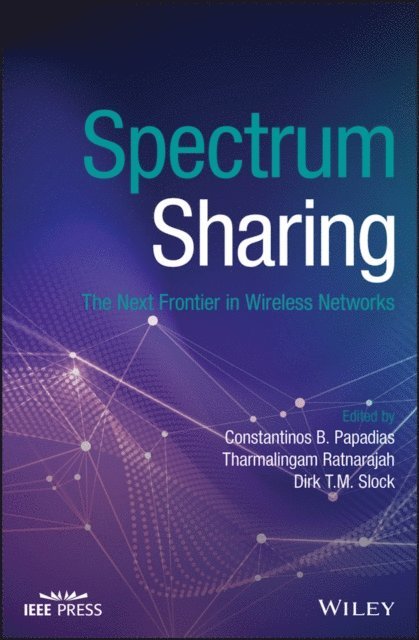
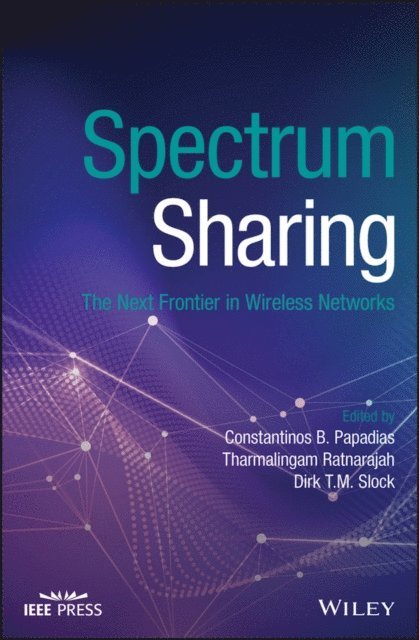
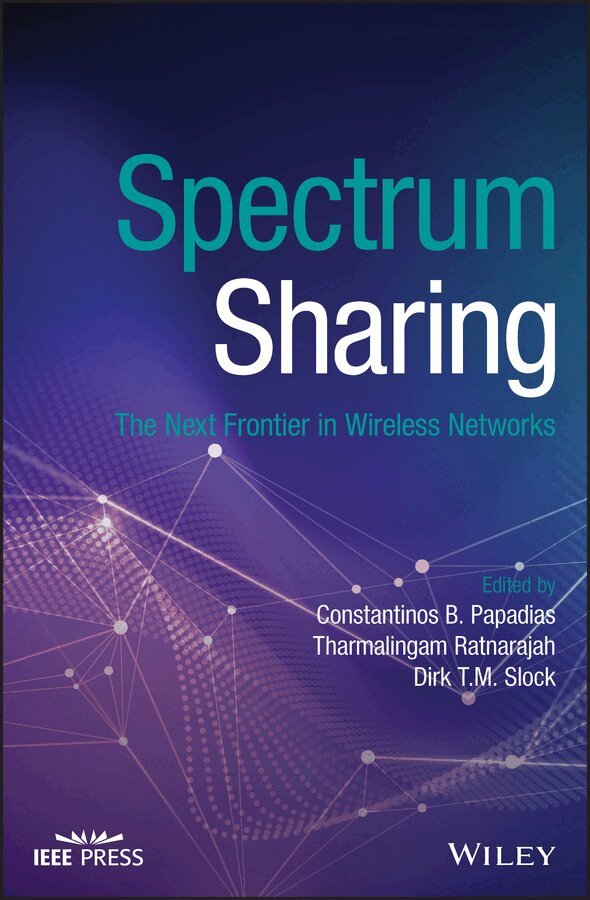
Combines the latest trends in spectrum sharing, both from a research and a standards/regulation/experimental standpointWritten by noted professionals from academia, industry, and research labs, this unique book provides a comprehensive treatment of the principles and architectures for spectrum sharing in order to help with the existing and future spectrum crunch issues. It presents readers with the most current standardization trends, including CEPT / CEE, eLSA, CBRS, MulteFire, LTE-Unlicensed (LTE-U), LTE WLAN integration with Internet Protocol security tunnel (LWIP), and LTE/Wi-Fi aggregation (LWA), and offers substantial trials and experimental results, as well as system-level performance evaluation results. The book also includes a chapter focusing on spectrum policy reinforcement and another on the economics of spectrum sharing.Beginning with the historic form of cognitive radio, Spectrum Sharing: The Next Frontier in Wireless Networks continues with current standardized forms of spectrum sharing, and reviews all of the technical ingredients that may arise in spectrum sharing approaches. It also looks at policy and implementation aspects and ponders the future of the field. White spaces and data base-assisted spectrum sharing are discussed, as well as the licensed shared access approach and cooperative communication techniques. The book also covers reciprocity-based beam forming techniques for spectrum sharing in MIMO networks; resource allocation for shared spectrum networks; large scale wireless spectrum monitoring; and much more. Contains all the latest standardization trends, such as CEPT / ECC, eLSA, CBRS, MulteFire, LTE-Unlicensed (LTE-U), LTE WLAN integration with Internet Protocol security tunnel (LWIP) and LTE/Wi-Fi aggregation (LWA)Presents a number of emerging technologies for future spectrum sharing (collaborative sensing, cooperative communication, reciprocity-based beamforming, etc.), as well as novel spectrum sharing paradigms (e.g. in full duplex and radar systems)Includes substantial trials and experimental results, as well as system-level performance evaluation resultsContains a dedicated chapter on spectrum policy reinforcement and one on the economics of spectrum sharingEdited by experts in the field, and featuring contributions by respected professionals in the field world wideSpectrum Sharing: The Next Frontier in Wireless Networks is highly recommended for graduate students and researchers working in the areas of wireless communications and signal processing engineering. It would also benefit radio communications engineers and practitioners.
1 589 kr
Skickas inom 10-15 vardagar
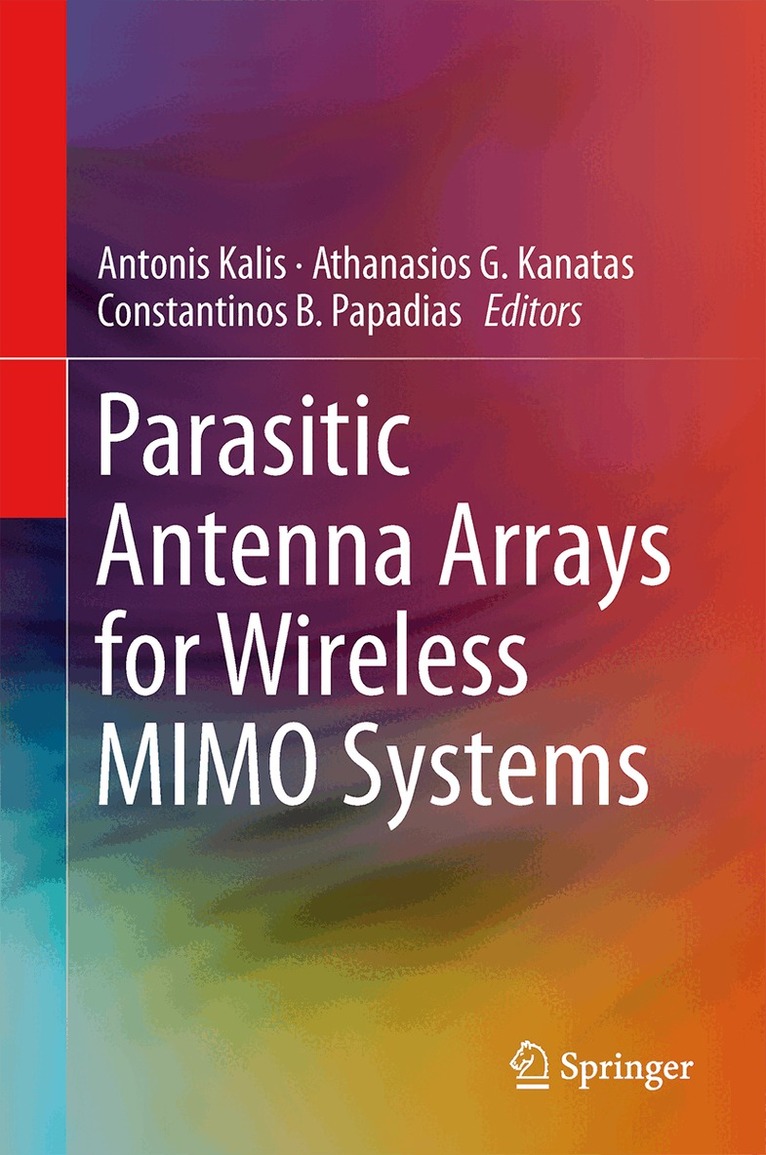
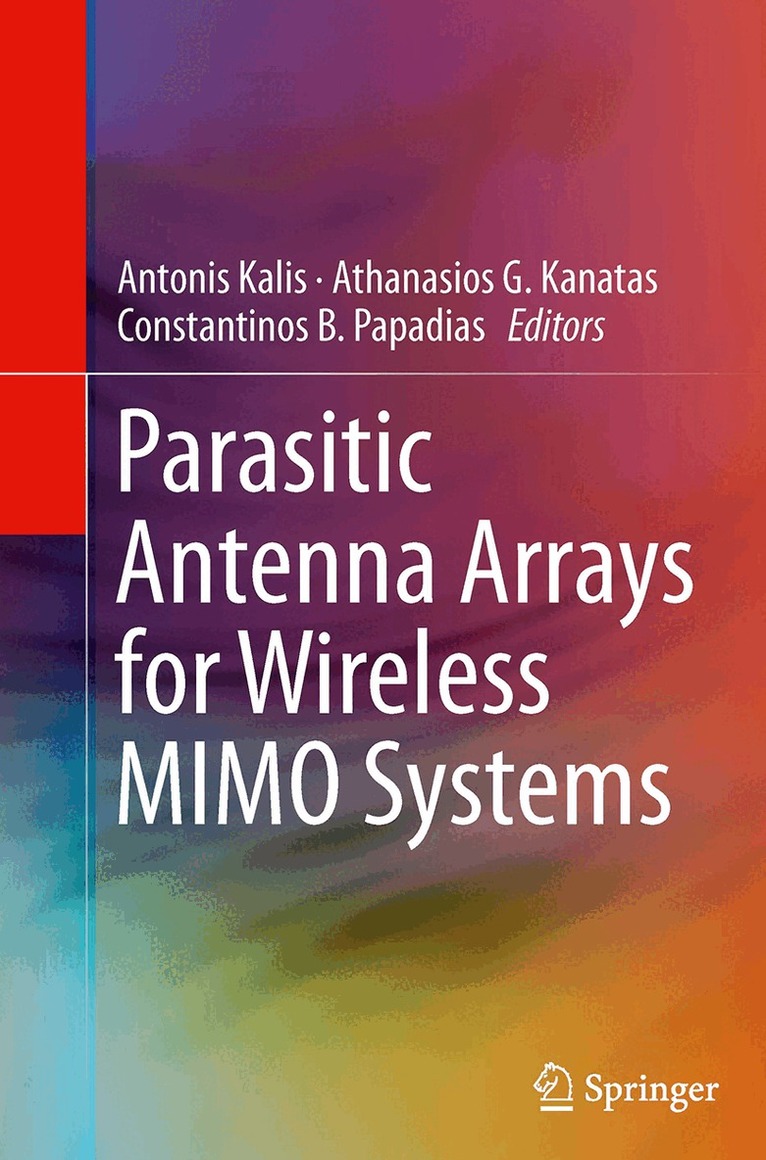
This book unites two different technologies: parasitic antenna arrays driven via analogue circuits that control the electromagnetic waves generated by the antenna array; and MIMO technology for multi-antenna arrays, typically driven by digital techniques in the baseband domain.The combination of these two technologies has revealed a novel functionality that breaks through the conventional MIMO paradigm, allowing MIMO transmission over the air with the use of antenna arrays that may consist of only a single active element, that is surrounded by a number of passive neighboring antennas. The contributions in the book show the capability of such systems to also perform MIMO transmission. This fact holds the potential of revolutionizing the way small-form wireless terminals operate and seems to set the scene for a win-win situation, achieving MIMO transmission with very small and cheap antenna arrays.The book is structured to provide a well-rounded treatment of the various facets of this newly discovered wireless communication capability. All relevant technical angles, ranging from information theoretic to electromagnetic considerations; from analogue circuit to digital baseband control for signal generation; and from channel modeling to communication theoretic aspects are taken into account. A good balance between theory, practical considerations and over-the-air experimentation is proposed and reflected in the chapter outline. Finally, a discussion and early evidence related to potential applications as well as the relevance to current and upcoming wireless standards is provided.
1 190 kr
Skickas inom 10-15 vardagar
As the theoretical foundations of multiple-antenna techniques evolve and as these multiple-input multiple-output (MIMO) techniques become essential for providing high data rates in wireless systems, there is a growing need to understand the performance limits of MIMO in practical networks. To address this need, MIMO Communication for Cellular Networks presents a systematic description of MIMO technology classes and a framework for MIMO system design that takes into account the essential physical-layer features of practical cellular networks.In contrast to works that focus on the theoretical performance of abstract MIMO channels, MIMO Communication for Cellular Networks emphasizes the practical performance of realistic MIMO systems. A unified set of system simulation results highlights relative performance gains of different MIMO techniques and provides insights into how best to use multiple antennas in cellular networks under various conditions.MIMO Communication for Cellular Networks describes single-user, multiuser, network MIMO technologies and system-level aspects of cellular networks, including channel modeling, resource scheduling, interference mitigation, and simulation methodologies. The key concepts are presented with sufficient generality to be applied to a wide range of wireless systems, including those based on cellular standards such as LTE, LTE-Advanced, WiMAX, and WiMAX2. The book is intended for use by graduate students, researchers, and practicing engineers interested in the physical-layer design of state-of-the-art wireless systems.
1 589 kr
Skickas inom 10-15 vardagar
This book unites two different technologies: parasitic antenna arrays driven via analogue circuits that control the electromagnetic waves generated by the antenna array; and MIMO technology for multi-antenna arrays, typically driven by digital techniques in the baseband domain.The combination of these two technologies has revealed a novel functionality that breaks through the conventional MIMO paradigm, allowing MIMO transmission over the air with the use of antenna arrays that may consist of only a single active element, that is surrounded by a number of passive neighboring antennas. The contributions in the book show the capability of such systems to also perform MIMO transmission. This fact holds the potential of revolutionizing the way small-form wireless terminals operate and seems to set the scene for a win-win situation, achieving MIMO transmission with very small and cheap antenna arrays.The book is structured to provide a well-rounded treatment of the various facets of this newly discovered wireless communication capability. All relevant technical angles, ranging from information theoretic to electromagnetic considerations; from analogue circuit to digital baseband control for signal generation; and from channel modeling to communication theoretic aspects are taken into account. A good balance between theory, practical considerations and over-the-air experimentation is proposed and reflected in the chapter outline. Finally, a discussion and early evidence related to potential applications as well as the relevance to current and upcoming wireless standards is provided.