COONS - Böcker
Visar alla böcker från författaren COONS. Handla med fri frakt och snabb leverans.
2 produkter
2 produkter
1 670 kr
Skickas inom 5-8 vardagar
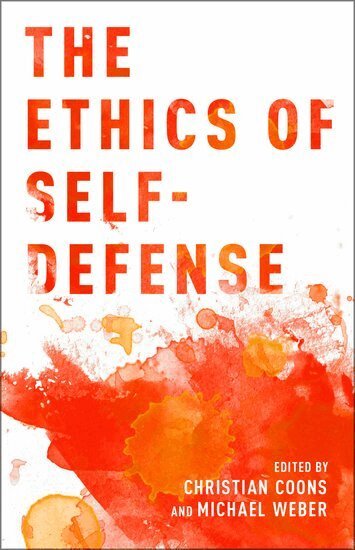
The fifteen new essays collected in this volume address questions concerning the ethics of self-defense, most centrally when and to what extent the use of defensive force, especially lethal force, can be justified. Scholarly interest in this topic reflects public concern stemming from controversial cases of the use of force by police, and military force exercised in the name of defending against transnational terrorism. The contributors pay special attention to determining when a threat is liable to defensive harm, though doubts about this emphasis are also raised. The legitimacy of so-called "stand your ground" policies and laws is also addressed. This volume will be of great interest to readers in moral, political, and legal philosophy.
1 801 kr
Skickas inom 5-8 vardagar
In all groups -- from couples to nation-states -- people influence one another. Much of this influence is benign, for example giving advice to friends or serving as role models for our children and students. Some forms of influence, however, are clearly morally suspect, such as threats of violence and blackmail. A great deal of attention has been paid to one form of morally suspect influence, namely coercion. Less attention has been paid to what might be a more pervasive form of influence: manipulation. The essays in this volume address this relative imbalance by focusing on manipulation, examining its nature, moral status, and its significance in personal and social life. They address a number of central questions: What counts as manipulation? How is it distinguished from coercion and ordinary rational persuasion? Is it always wrong, or can it sometimes be justified, and if so, when? Is manipulative influence more benign than coercion? Can one manipulate unintentionally? How does being manipulated to act bear on one's moral responsibly for so acting? Given various answers to these questions, what should we think of practices such as advertising and seduction?