Corey W. Dyck – författare
Visar alla böcker från författaren Corey W. Dyck. Handla med fri frakt och snabb leverans.
16 produkter
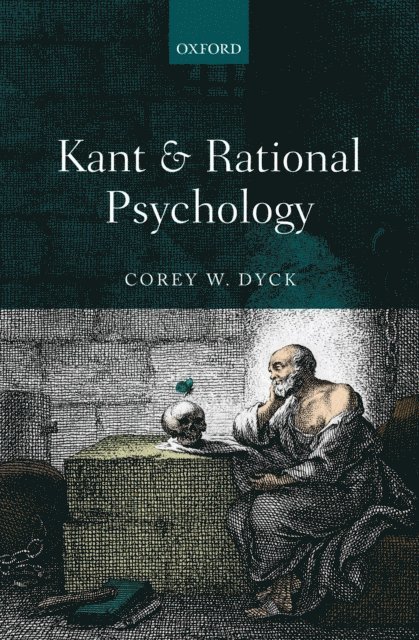
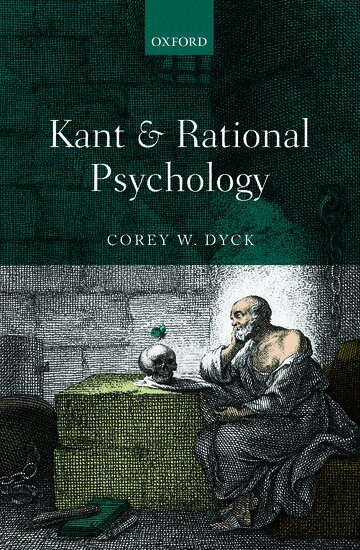
Kant and Rational Psychology
E-bok, 2014
1155 kr
Lägg i varukorg
Corey W. Dyck presents a new account of Kant''s criticism of the rational investigation of the soul in his monumental Critique of Pure Reason , in light of its eighteenth-century German context. When characterizing the rational psychology that is Kant''s target in the Paralogisms of Pure Reason …
Early Modern German Philosophy (1690-1750)
E-bok, 2019
495 kr
Lägg i varukorg
Early Modern German Philosophy (1690-1750) makes some of the key texts of early German thought available in English, in most cases for the first time. The translations range from texts by the most important figures of the period, including Christian Thomasius, Christian Wolff, Christian August …
Early Modern German Philosophy (1690-1750)
E-bok, 2019
495 kr
Lägg i varukorg
Early Modern German Philosophy (1690-1750) makes some of the key texts of early German thought available in English, in most cases for the first time. The translations range from texts by the most important figures of the period, including Christian Thomasius, Christian Wolff, Christian August …
Women and Philosophy in Eighteenth-Century Germany
E-bok, 2021
1160 kr
Lägg i varukorg
Women and Philosophy in Eighteenth-Century Germany showcases the vibrant and diverse contributions on the part of women in eighteenth-century Germany and explores their under-appreciated influence upon philosophical debate in Germany in this period. Among the women profiled in this volume are …
Women and Philosophy in Eighteenth-Century Germany
E-bok, 2021
1160 kr
Lägg i varukorg
Women and Philosophy in Eighteenth-Century Germany showcases the vibrant and diverse contributions on the part of women in eighteenth-century Germany and explores their under-appreciated influence upon philosophical debate in Germany in this period. Among the women profiled in this volume are …
Wolff and the First Fifty Years of German Metaphysics
E-bok, 2024
1192 kr
Lägg i varukorg
Wolff and the First Fifty Years of German Metaphysics offers a fresh account of philosophical developments in German philosophy in the first half of the 18th century. At the centre of this book is Wolff''s seminal text on metaphysics, the Deutsche Metaphysik of 1719, a text that modernized and …
Wolff and the First Fifty Years of German Metaphysics
E-bok, 2024
1192 kr
Lägg i varukorg
Wolff and the First Fifty Years of German Metaphysics offers a fresh account of philosophical developments in German philosophy in the first half of the 18th century. At the centre of this book is Wolff''s seminal text on metaphysics, the Deutsche Metaphysik of 1719, a text that modernized and …
Wolff and the First Fifty Years of German Metaphysics
Inbunden, 2024
1333 kr
Lägg i varukorg
Wolff and the First Fifty Years of German Metaphysics offers a fresh account of philosophical developments in German philosophy in the first half of the 18th century. At the centre of this book is Wolff's seminal text on metaphysics, the Deutsche Metaphysik of 1719, a text that modernized and …
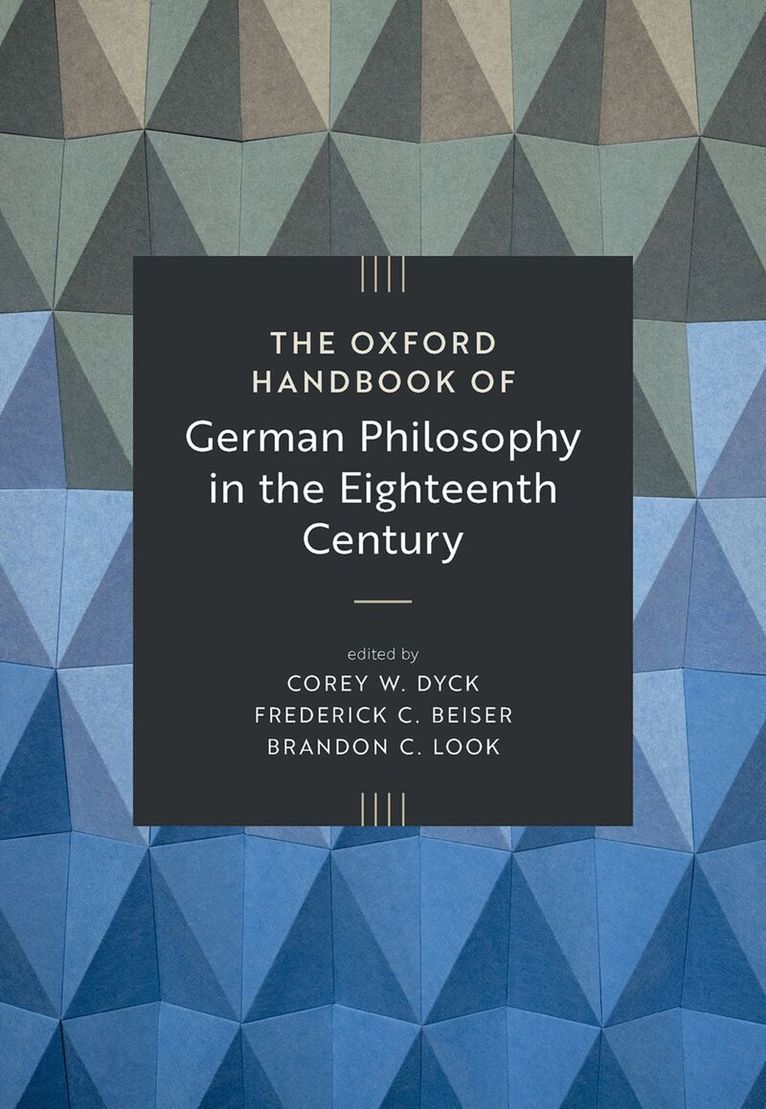
The Oxford Handbook of German Philosophy in the Eighteenth Century
Av Frederick C. Beiser, Brandon C. Look m. fl.
Inbunden, 2026
2631 kr
Lägg i varukorg
The contributions to this Handbook serve as a collective rebuttal of the widespread sentiment that there is little of interest in 18th-century German philosophy between Leibniz and Kant. In its chapters, the reader will naturally find new insights into the Kantian philosophy and its context, …
Early Modern German Philosophy (1690-1750)
Inbunden, 2019
1755 kr
Lägg i varukorg
Early Modern German Philosophy (1690-1750) makes some of the key texts of early German thought available in English, in most cases for the first time. The translations range from texts by the most important figures of the period, including Christian Thomasius, Christian Wolff, Christian August …
Early Modern German Philosophy (1690-1750)
Häftad, 2020
730 kr
Lägg i varukorg
Early Modern German Philosophy (1690-1750) makes some of the key texts of early German thought available in English, in most cases for the first time. The translations range from texts by the most important figures of the period, including Christian Thomasius, Christian Wolff, Christian August …
Women and Philosophy in Eighteenth-Century Germany
Inbunden, 2021
1376 kr
Lägg i varukorg
Women and Philosophy in Eighteenth-Century Germany showcases the vibrant and diverse contributions on the part of women in eighteenth-century Germany and explores their under-appreciated influence upon philosophical debate in Germany in this period. Among the women profiled in this volume are …
Kant and Rational Psychology
Inbunden, 2014
1404 kr
Lägg i varukorg
Corey W. Dyck presents a new account of Kant's criticism of the rational investigation of the soul in his monumental Critique of Pure Reason, in light of its eighteenth-century German context. When characterizing the rational psychology that is Kant's target in the Paralogisms of Pure Reason …
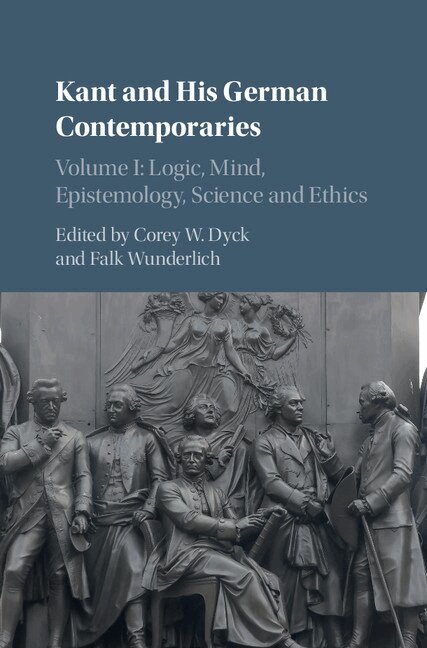
Kant and his German Contemporaries: Volume 1, Logic, Mind, Epistemology, Science and Ethics
Av Corey W. Dyck, Falk Wunderlich
Inbunden, 2018
1628 kr
Lägg i varukorg
This collection of new essays, the first of its kind in English, considers the ways in which the philosophy of Immanuel Kant engages with the views of lesser-known eighteenth-century German thinkers. Each chapter casts new light on aspects of Kant's complex relationship with these figures, …
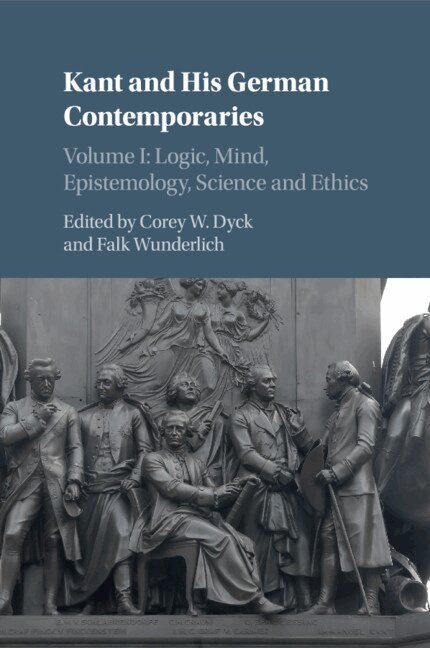
Kant and his German Contemporaries: Volume 1, Logic, Mind, Epistemology, Science and Ethics
Av Corey W. Dyck, Falk Wunderlich
Häftad, 2020
557 kr
Lägg i varukorg
This collection of new essays, the first of its kind in English, considers the ways in which the philosophy of Immanuel Kant engages with the views of lesser-known eighteenth-century German thinkers. Each chapter casts new light on aspects of Kant's complex relationship with these figures, …
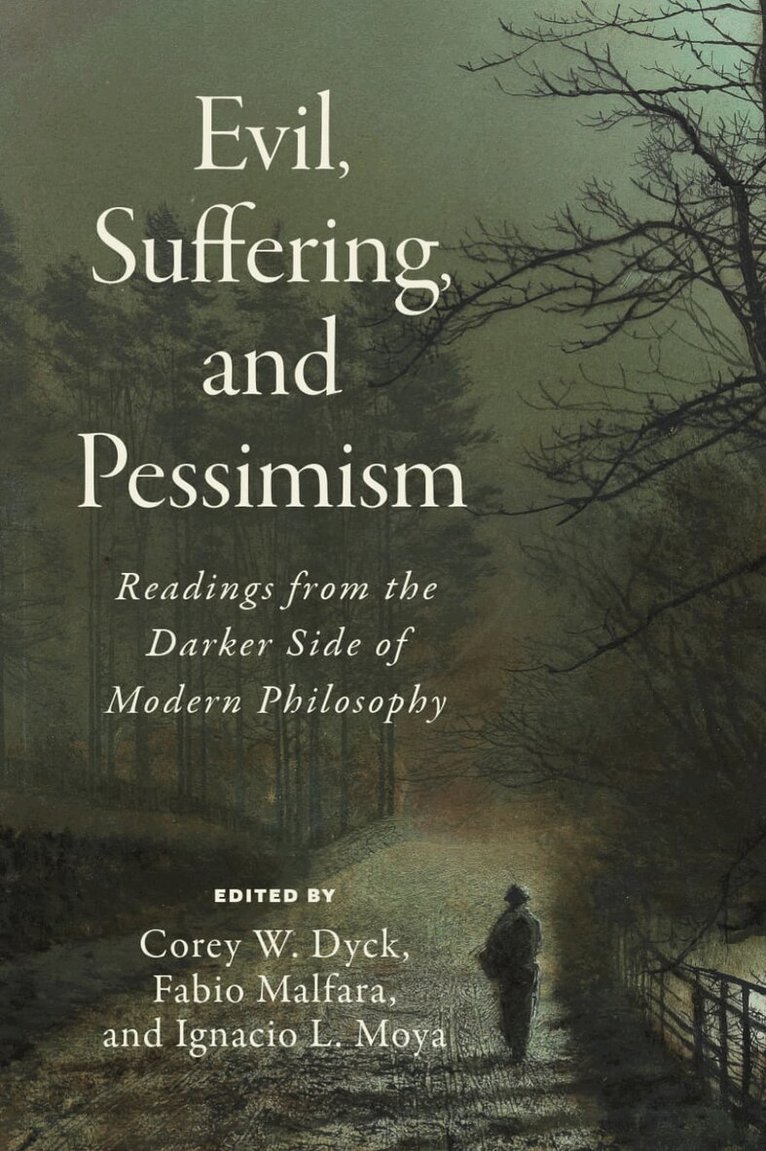
Evil, Suffering, and Pessimism
Readings from the Darker Side of Modern Philosophy
Av Corey W. Dyck, Fabio Malfara m. fl.
Häftad, 2026
610 kr
Lägg i varukorg
Is it possible to explain the existence of evil under the supposition of a supremely good creator? Are we ourselves the cause of most of the suffering that befalls us? Is life generally more painful than it is pleasant, and if so is non-existence preferable to existence? Is happiness ever even …