Corina Snitar – författare
Visar alla böcker från författaren Corina Snitar. Handla med fri frakt och snabb leverans.
5 produkter
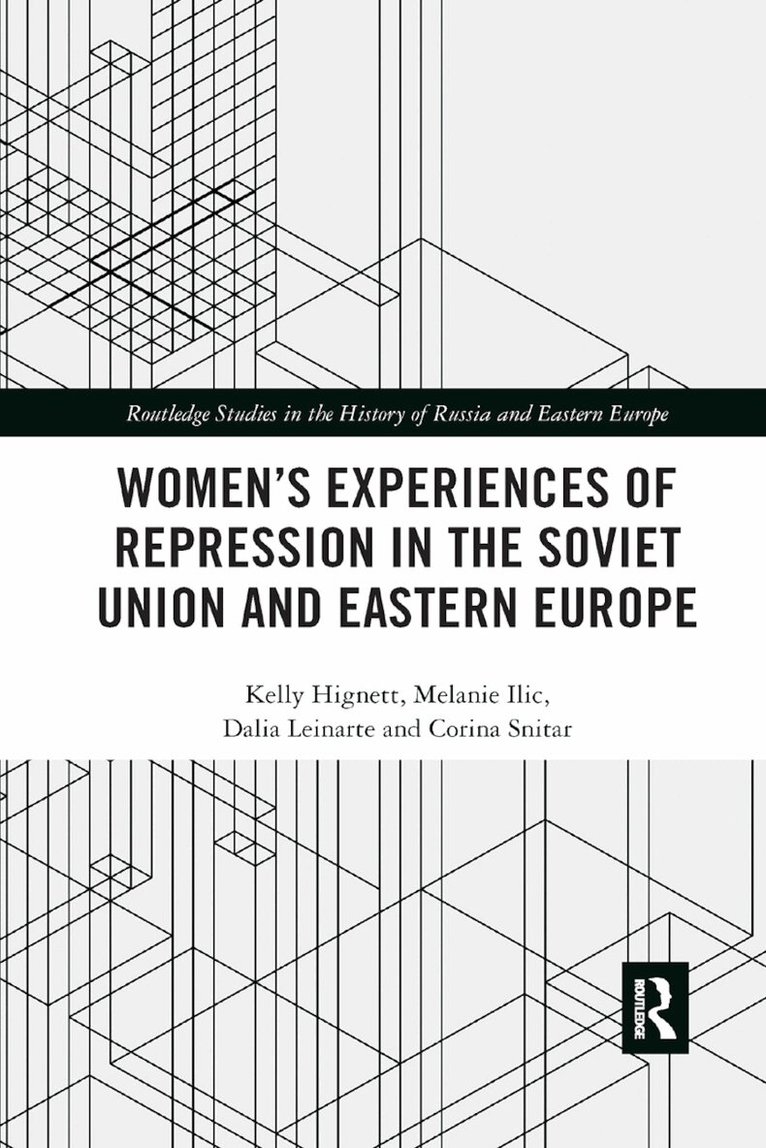
Women's Experiences of Repression in the Soviet Union and Eastern Europe
Av Kelly Hignett, Melanie Ilic m. fl.
Häftad, 2019
814 kr
Lägg i varukorg
Based on extensive original research, including studies of autobiographies and biographies, reminiscences and memoirs, archived oral history data and interviews conducted by the authors, this book provides a rich picture of how women experienced repression in the former Soviet bloc. Although …
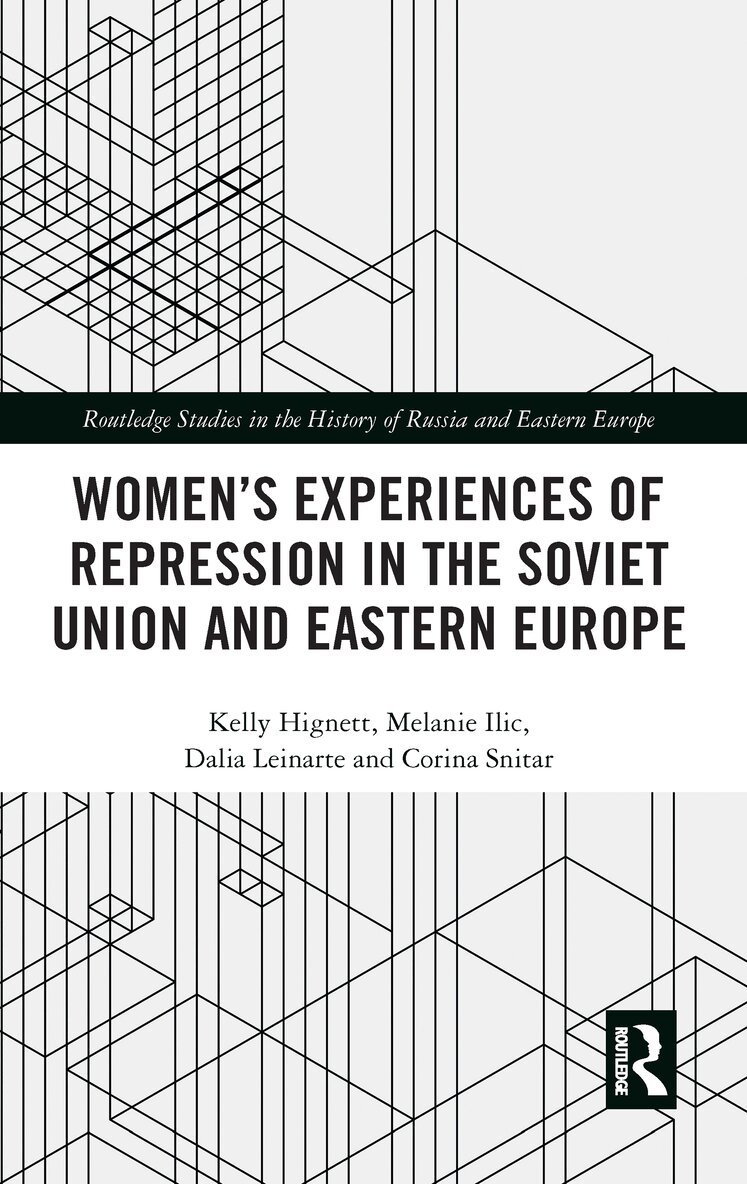
Women's Experiences of Repression in the Soviet Union and Eastern Europe
Av Kelly Hignett, Melanie Ilic m. fl.
Inbunden, 2017
2818 kr
Lägg i varukorg
Based on extensive original research, including studies of autobiographies and biographies, reminiscences and memoirs, archived oral history data and interviews conducted by the authors, this book provides a rich picture of how women experienced repression in the former Soviet bloc. Although …
Women's Experiences of Repression in the Soviet Union and Eastern Europe
Av Corina Snitar, Dalia Leinarte m. fl.
E-bok, 2017
963 kr
Lägg i varukorg
Based on extensive original research, including studies of autobiographies and biographies, reminiscences and memoirs, archived oral history data and interviews conducted by the authors, this book provides a rich picture of how women experienced repression in the former Soviet bloc. Although …
Women's Experiences of Repression in the Soviet Union and Eastern Europe
Av Corina Snitar, Dalia Leinarte m. fl.
E-bok, 2017
963 kr
Lägg i varukorg
Based on extensive original research, including studies of autobiographies and biographies, reminiscences and memoirs, archived oral history data and interviews conducted by the authors, this book provides a rich picture of how women experienced repression in the former Soviet bloc. Although …
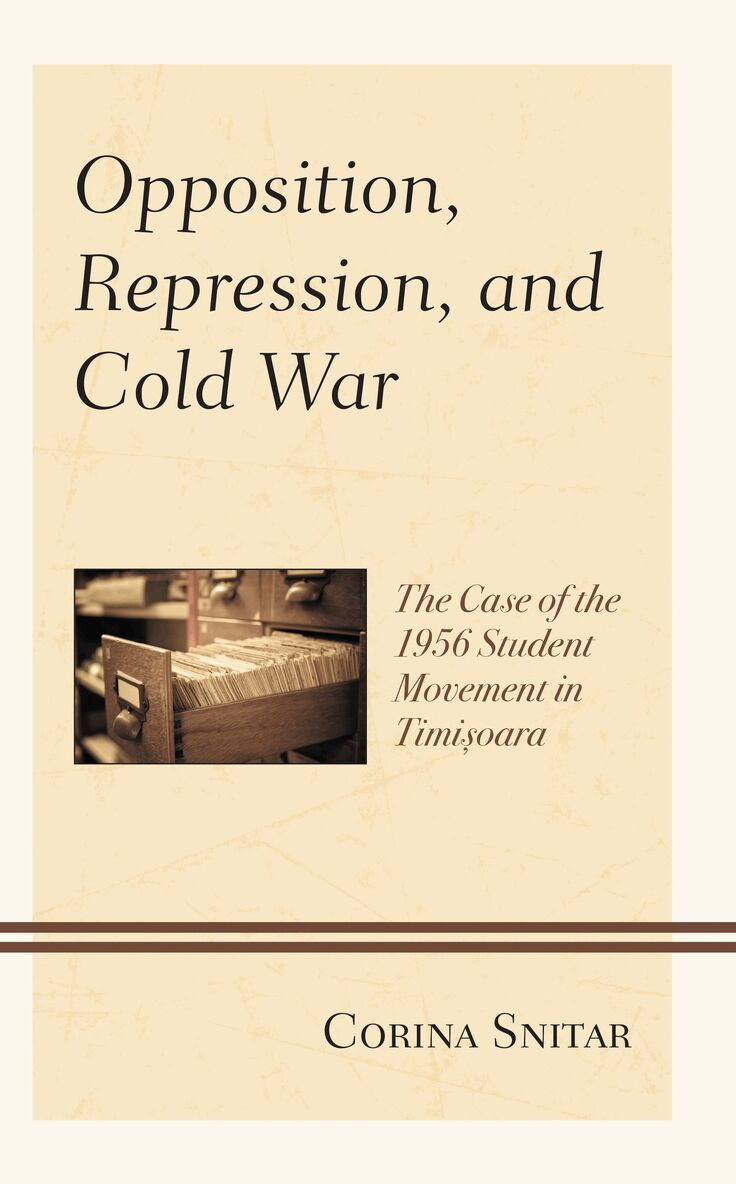
Opposition, Repression, and Cold War
The Case of the 1956 Student Movement in Timisoara
Inbunden, 2021
1240 kr
Lägg i varukorg
Corina Snitar examines the student protests in Timisoara in 1956 following the Hungarian uprising of the same year. Snitar analyzes the students’ demands regarding Soviet occupation, the situation in Hungary, and insufficient student accommodations. This book shows how the Hungarian revolt was the …