493 kr
Skickas inom 3-6 vardagar
493 kr
Skickas inom 3-6 vardagar
235 kr
Skickas
157 kr
Läs direkt efter köp
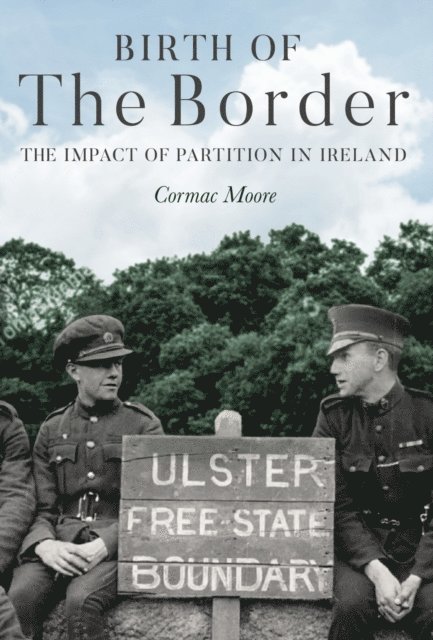
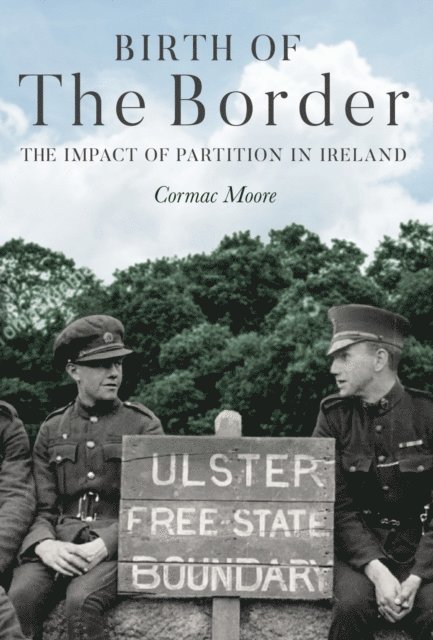
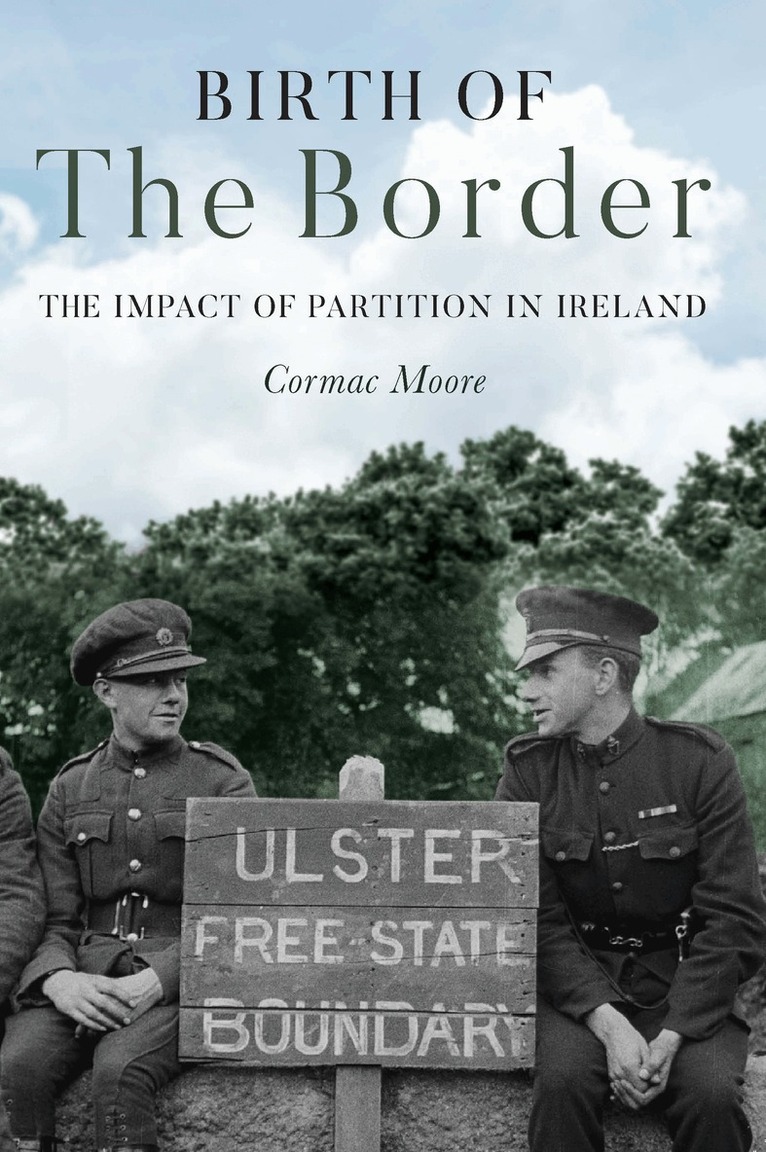
The 1921 partition of Ireland had huge ramifications for almost all aspects of Irish life and was directly responsible for hundreds of deaths and injuries, with thousands displaced from their homes and many more forced from their jobs. Two new justice systems were created; the effects on the major religions were profound, with both jurisdictions adopting wholly different approaches; and major disruptions were caused in crossing the border, with invasive checks and stops becoming the norm.
And yet, many bodies remained administered on an all-Ireland basis. The major religions remained all-Ireland bodies. Most trade unions maintained a 32-county presence, as did most sports, trade bodies, charities and other voluntary groups. Politically, however, the new jurisdictions moved further and further apart, while socially and culturally there were differences as well as links between north and south that remain to this day.
Very little has been written on the actual effects of partition, the-day-to-day implications, and the complex ways that society, north and south, was truly and meaningfully affected. Birth of the Border: The Impact of Partition in Ireland is the most comprehensive account to date on the far-reaching effects of the partitioning of Ireland.
157 kr
Läs direkt efter köp
The 1921 partition of Ireland had huge ramifications for almost all aspects of Irish life and was directly responsible for hundreds of deaths and injuries, with thousands displaced from their homes and many more forced from their jobs. Two new justice systems were created; the effects on the major religions were profound, with both jurisdictions adopting wholly different approaches; and major disruptions were caused in crossing the border, with invasive checks and stops becoming the norm.
And yet, many bodies remained administered on an all-Ireland basis. The major religions remained all-Ireland bodies. Most trade unions maintained a 32-county presence, as did most sports, trade bodies, charities and other voluntary groups. Politically, however, the new jurisdictions moved further and further apart, while socially and culturally there were differences as well as links between north and south that remain to this day.
Very little has been written on the actual effects of partition, the-day-to-day implications, and the complex ways that society, north and south, was truly and meaningfully affected. Birth of the Border: The Impact of Partition in Ireland is the most comprehensive account to date on the far-reaching effects of the partitioning of Ireland.
239 kr
Skickas
292 kr
Skickas
175 kr
Läs direkt efter köp
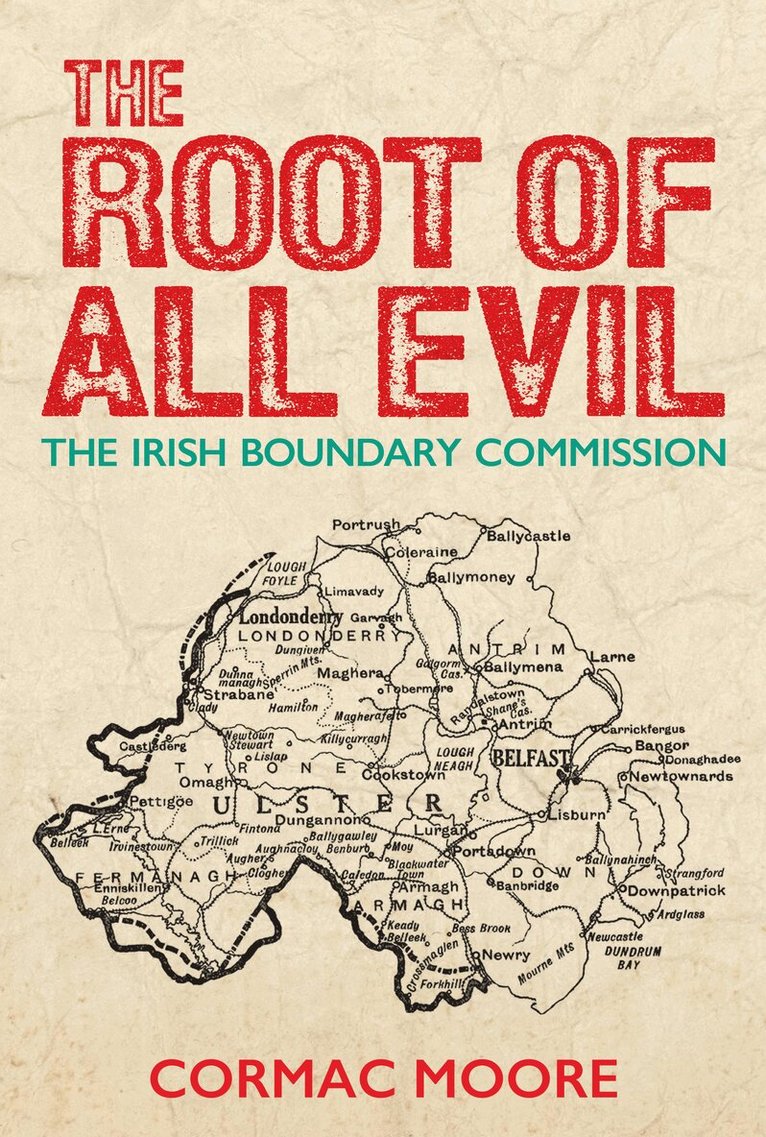
In May 1922, James Craig described the Boundary Commission as the ‘root of all evil’ for Ulster unionists. Conversely, it ultimately bolstered the unionist cause, leaving the border unchanged and abandoning swathes of Northern nationalists who had assumed that large tracts of land would be transferred to the Free State.
Offered to Sinn Féin plenipotentiaries during the 1921 Treaty negotiations, the Boundary Commission was viewed as a major concession by David Lloyd George, but the vague wording of the clause agreed to by the Irish delegation would prove disastrous. Delayed by the civil war and Unionist non-cooperation, the Boundary Commission finally convened in 1924, hampered from the get-go by Sinn Féin’s naivety, the intransigence of Ulster unionists and the duplicity of successive British governments. It disbanded less than a year later without an inch gained for the twenty-six counties.
After 1925, the nationalist community in the North had to accept that ‘whether they liked it or not, that they were citizens of Northern Ireland’, their trust in both British and Free State governments irrevocably damaged. One hundred years on, Cormac Moore illuminates the fascinating and infuriating story behind the Boundary Commission’s momentous failure.
254 kr
Tillfälligt slut
493 kr
Skickas inom 3-6 vardagar
235 kr
Skickas
157 kr
Läs direkt efter köp
The 1921 partition of Ireland had huge ramifications for almost all aspects of Irish life and was directly responsible for hundreds of deaths and injuries, with thousands displaced from their homes and many more forced from their jobs. Two new justice systems were created; the effects on the major religions were profound, with both jurisdictions adopting wholly different approaches; and major disruptions were caused in crossing the border, with invasive checks and stops becoming the norm.
And yet, many bodies remained administered on an all-Ireland basis. The major religions remained all-Ireland bodies. Most trade unions maintained a 32-county presence, as did most sports, trade bodies, charities and other voluntary groups. Politically, however, the new jurisdictions moved further and further apart, while socially and culturally there were differences as well as links between north and south that remain to this day.
Very little has been written on the actual effects of partition, the-day-to-day implications, and the complex ways that society, north and south, was truly and meaningfully affected. Birth of the Border: The Impact of Partition in Ireland is the most comprehensive account to date on the far-reaching effects of the partitioning of Ireland.
157 kr
Läs direkt efter köp
The 1921 partition of Ireland had huge ramifications for almost all aspects of Irish life and was directly responsible for hundreds of deaths and injuries, with thousands displaced from their homes and many more forced from their jobs. Two new justice systems were created; the effects on the major religions were profound, with both jurisdictions adopting wholly different approaches; and major disruptions were caused in crossing the border, with invasive checks and stops becoming the norm.
And yet, many bodies remained administered on an all-Ireland basis. The major religions remained all-Ireland bodies. Most trade unions maintained a 32-county presence, as did most sports, trade bodies, charities and other voluntary groups. Politically, however, the new jurisdictions moved further and further apart, while socially and culturally there were differences as well as links between north and south that remain to this day.
Very little has been written on the actual effects of partition, the-day-to-day implications, and the complex ways that society, north and south, was truly and meaningfully affected. Birth of the Border: The Impact of Partition in Ireland is the most comprehensive account to date on the far-reaching effects of the partitioning of Ireland.
239 kr
Skickas
292 kr
Skickas
175 kr
Läs direkt efter köp
In May 1922, James Craig described the Boundary Commission as the ‘root of all evil’ for Ulster unionists. Conversely, it ultimately bolstered the unionist cause, leaving the border unchanged and abandoning swathes of Northern nationalists who had assumed that large tracts of land would be transferred to the Free State.
Offered to Sinn Féin plenipotentiaries during the 1921 Treaty negotiations, the Boundary Commission was viewed as a major concession by David Lloyd George, but the vague wording of the clause agreed to by the Irish delegation would prove disastrous. Delayed by the civil war and Unionist non-cooperation, the Boundary Commission finally convened in 1924, hampered from the get-go by Sinn Féin’s naivety, the intransigence of Ulster unionists and the duplicity of successive British governments. It disbanded less than a year later without an inch gained for the twenty-six counties.
After 1925, the nationalist community in the North had to accept that ‘whether they liked it or not, that they were citizens of Northern Ireland’, their trust in both British and Free State governments irrevocably damaged. One hundred years on, Cormac Moore illuminates the fascinating and infuriating story behind the Boundary Commission’s momentous failure.
254 kr
Tillfälligt slut