Cornel Ban - Böcker
Visar alla böcker från författaren Cornel Ban. Handla med fri frakt och snabb leverans.
4 produkter
4 produkter
1 757 kr
Skickas inom 5-8 vardagar
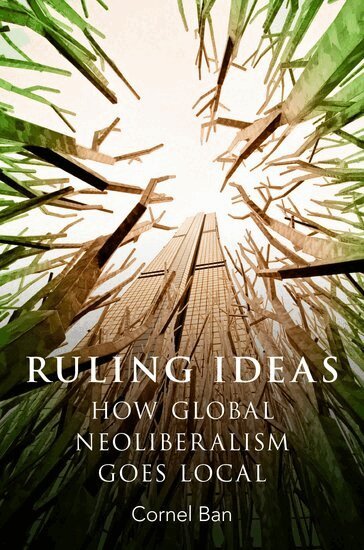
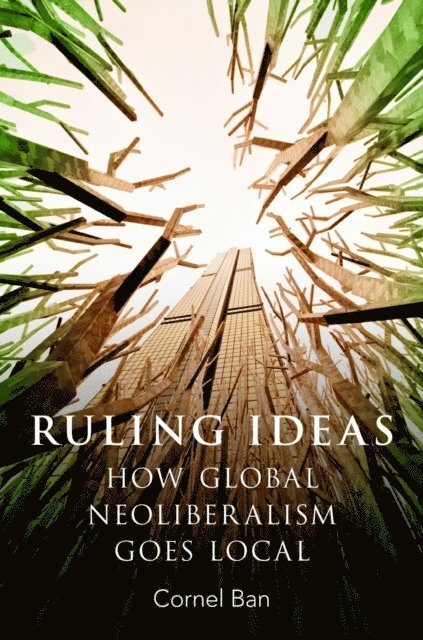
Neoliberal economic theories are powerful because their domestic translators make them go local, hybridizing global scripts with local ideas. This does not mean that all local translations shape policy, however. External constraints and translators' access to cohesive policy institutions filter what kind of neoliberal hybrids become policy reality. By comparing the moderate neoliberalism that prevails in Spain with the more radical one that shapes policy thinking in Romania, Ruling Ideas explains why neoliberal hybrids take the forms that they do and how they survive crises. Cornel Ban contributes to the literature by showing that these different varieties of neoliberalism depend on what competing ideas are available locally, on the networks of actors who serve as the local advocates of neoliberalism, and on their vulnerability to external coercion.Ruling Ideas covers an extended historical period, starting with the Franco period in Spain and the Ceausescu period in Romania, discusses the economic integration of these countries into the EU, and continues through Europe's Great Recession and the European debt crisis. The broad historical coverage enables a careful analysis of how neoliberalism rules in times of stability and crisis and under different political systems.
564 kr
Skickas inom 5-8 vardagar
Neoliberal economic theories are powerful because their domestic translators make them go local, hybridizing global scripts with local ideas. This does not mean that all local translations shape policy, however. External constraints and translators' access to cohesive policy institutions filter what kind of neoliberal hybrids become policy reality. By comparing the moderate neoliberalism that prevails in Spain with the more radical one that shapes policy thinking in Romania, Ruling Ideas explains why neoliberal hybrids take the forms that they do and how they survive crises. Cornel Ban contributes to the literature by showing that these different varieties of neoliberalism depend on what competing ideas are available locally, on the networks of actors who serve as the local advocates of neoliberalism, and on their vulnerability to external coercion.Ruling Ideas covers an extended historical period, starting with the Franco period in Spain and the Ceausescu period in Romania, discusses the economic integration of these countries into the EU, and continues through Europe's Great Recession and the European debt crisis. The broad historical coverage enables a careful analysis of how neoliberalism rules in times of stability and crisis and under different political systems.
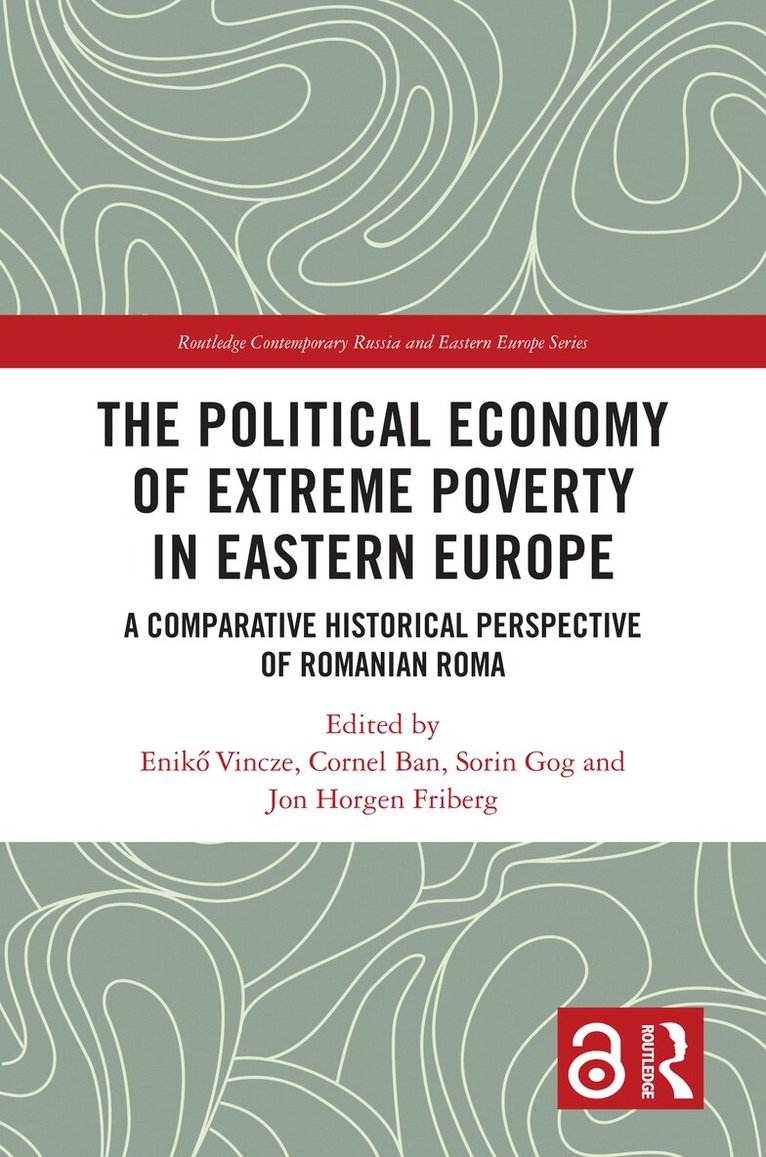
Political Economy of Extreme Poverty in Eastern Europe
A Comparative Historical Perspective of Romanian Roma
Inbunden, Engelska, 2024
1 968 kr
Skickas inom 10-15 vardagar
This book examines the creation of extreme poverty in Eastern Europe, focusing on Romanian Roma, through a comparative historical perspective on its roots and the socio-economic and political mechanisms that have shaped it in labor, housing, and migration.This interdisciplinary book explores the (re)production of extreme poverty among the Roma across different political economy regimes. Chapters engage in comparative historical analysis across several disciplines and integrate perspectives steeped at the national level of analysis with those dwelling intensively on a single context. Focusing on the processes of manufacturing poverty among Roma in Romania, the chapters cover empirical information about the historical transformations of the economic situation of the Roma in Romania from the 19th century to the present, about global, national, and local processes of industrialization, deindustrialization, and reindustrialization impacting poverty among the Roma in the past seven decades, and about Roma people’s current labor positions, housing conditions, and migration practices in distinct geographies from Romania to Norway.The book situates Roma poverty research in a Central and Eastern European context by highlighting its connections with analytical approaches to poverty and institutional policy visions about poverty eradication. It will be of interest to researchers studying Central and Eastern Europe, political economy of socialism, political economy of capitalist transformations, poverty studies, welfare and housing regimes studies, and labor and migration studies.The Open Access version of this book, available at http://www.taylorfrancis.com, has been made available under a Creative Commons Attribution-Non Commercial-No Derivatives (CC-BY-NC-ND) 4.0 license.
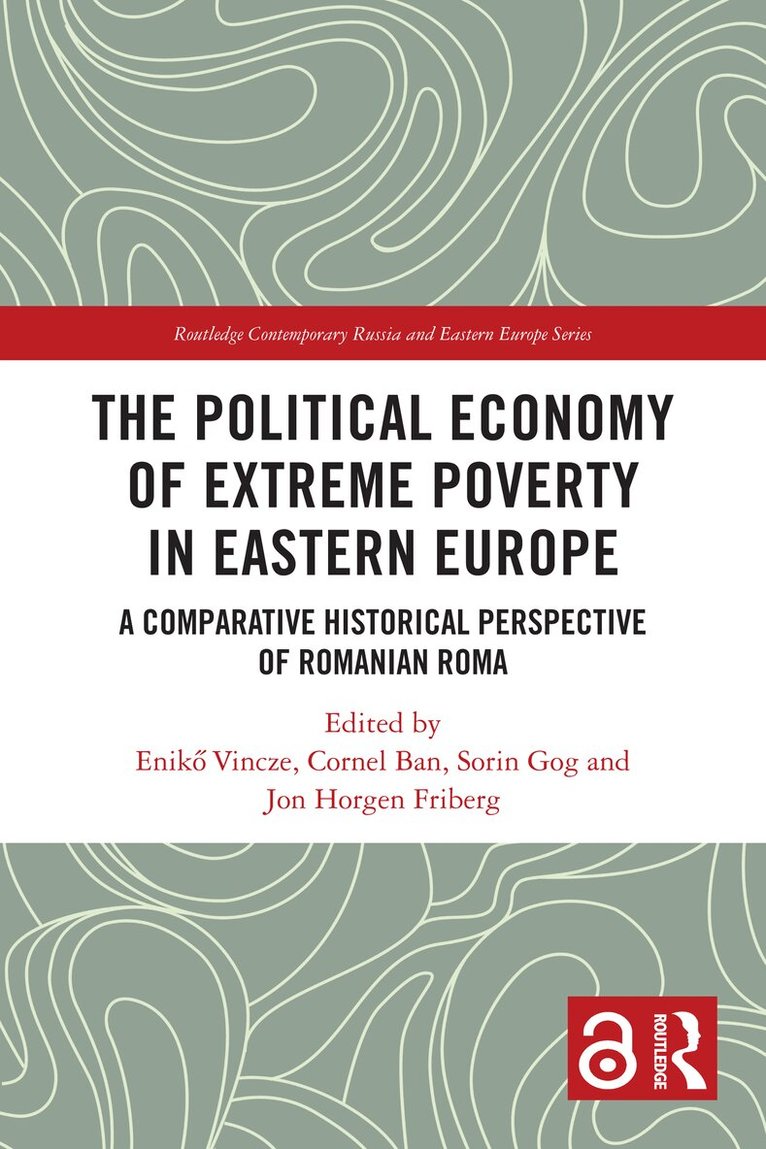
Political Economy of Extreme Poverty in Eastern Europe
A Comparative Historical Perspective of Romanian Roma
Häftad, Engelska, 2026
695 kr
Kommande
This book examines the creation of extreme poverty in Eastern Europe, focusing on Romanian Roma, through a comparative historical perspective on its roots and the socio-economic and political mechanisms that have shaped it in labor, housing, and migration.This interdisciplinary book explores the (re)production of extreme poverty among the Roma across different political economy regimes. Chapters engage in comparative historical analysis across several disciplines and integrate perspectives steeped at the national level of analysis with those dwelling intensively on a single context. Focusing on the processes of manufacturing poverty among Roma in Romania, the chapters cover empirical information about the historical transformations of the economic situation of the Roma in Romania from the 19th century to the present, about global, national, and local processes of industrialization, deindustrialization, and reindustrialization impacting poverty among the Roma in the past seven decades, and about Roma people’s current labor positions, housing conditions, and migration practices in distinct geographies from Romania to Norway.The book situates Roma poverty research in a Central and Eastern European context by highlighting its connections with analytical approaches to poverty and institutional policy visions about poverty eradication. It will be of interest to researchers studying Central and Eastern Europe, political economy of socialism, political economy of capitalist transformations, poverty studies, welfare and housing regimes studies, and labor and migration studies.The Open Access version of this book, available at http://www.taylorfrancis.com, has been made available under a Creative Commons Attribution-Non Commercial-No Derivatives (CC-BY-NC-ND) 4.0 license.