Cornel Hillmann - Böcker
Visar alla böcker från författaren Cornel Hillmann. Handla med fri frakt och snabb leverans.
3 produkter
3 produkter
606 kr
Skickas inom 10-15 vardagar
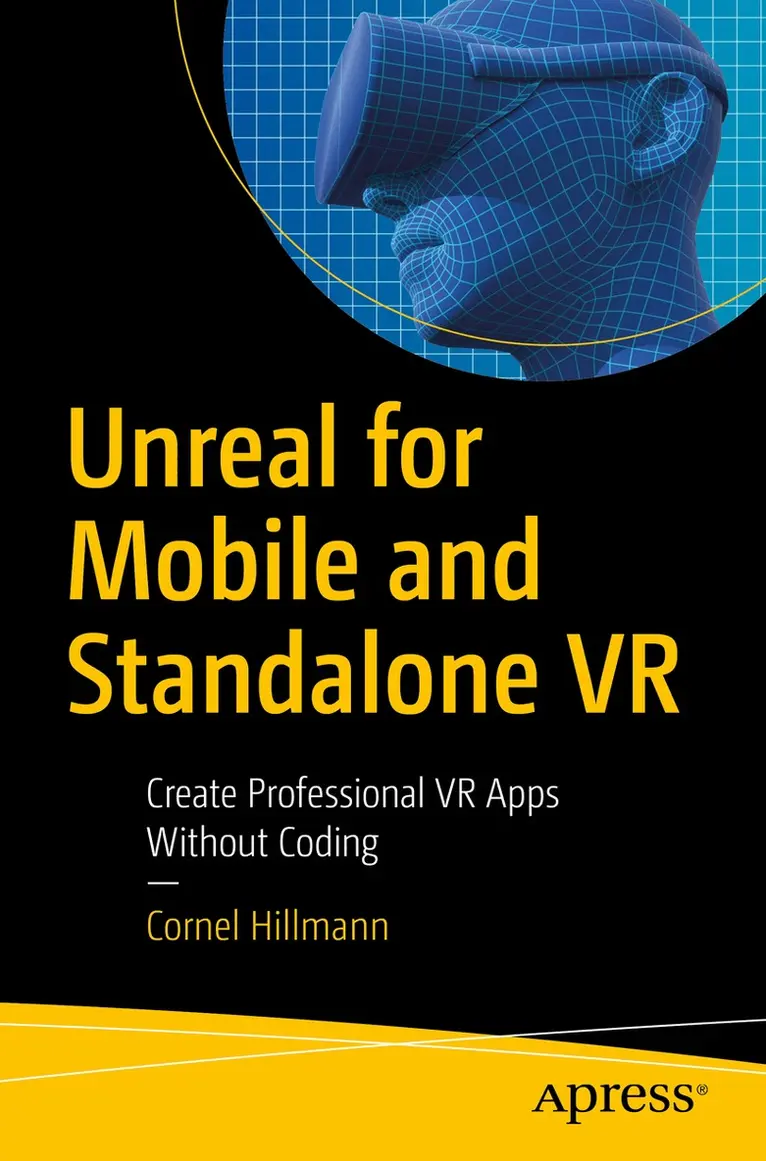
Apply the techniques needed to build VR applications for mobile and standalone head-mounted displays (HMDs) using the Unreal Engine. This book covers the entire VR ecosystem including production tools, Unreal engine, workflows, performance and optimization, and presents two fully-developed projects to reinforce what you've learned. Media designers, CG artists and other creatives will be able to take advantage of real-time engine techniques and easy-to-learn visual scripting logic to turn their creations into immersive and interactive VR worlds.Gear VR, the Oculus Go and other Android based VR HMDs are becoming exciting new platforms for immersive business presentations, entertainment and educational solutions. The Unreal engine, one of the world’s most powerful and popular game engines, is now free to use and has become increasingly popular for real-time visualizations and enterprise solutions in recent years.With Unreal's powerful blueprint visual scripting system, non-coders can now design blueprints in Unreal, unlock the power of rapid prototyping, and create complex interactions without a line of code. Get your copy of Unreal for Mobile and Standalone VR today and begin using this powerful tool-set to create high-end VR apps for a wide range of applications from games, B2B, to education.What You'll LearnExplore the VR ecosystem, including history, recent trends and future outlookReview tool set, graphics and animation pipeline (Blender, Zbrush, Substance Painter and others)Examine graphics optimization techniquesSet up a project and the target platformDesign interaction with Unreal blueprintsDeployments, testing, further optimizationWho This Book Is ForMultimedia designers, CG artists, producers, app developers. No coding experience is required.
434 kr
Skickas inom 5-8 vardagar
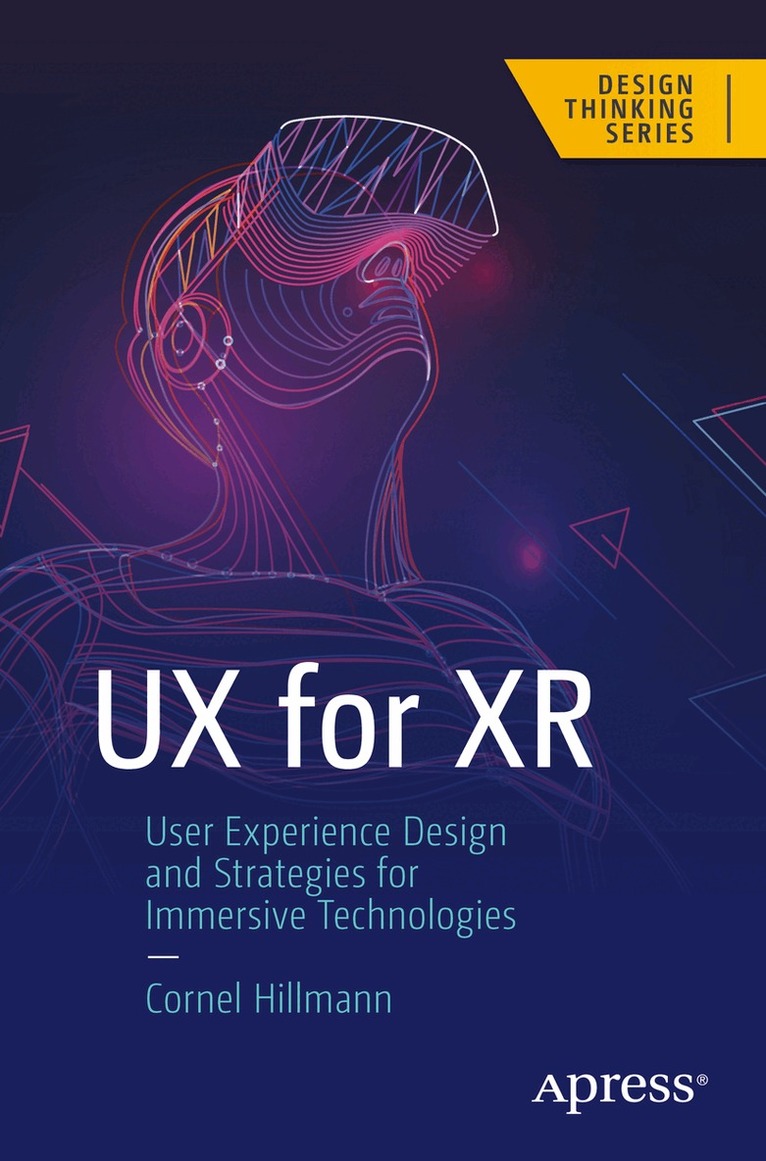
Extending traditional digital platforms to the new frontier of extended reality (XR) requires taking into account what best practices, new concepts, and conventions have been established and what learnings can be brought forward from case studies involving industry leaders. By looking at practical examples from the field of handheld AR breakthroughs, virtual reality (VR) success stories and experimental interaction concept of pioneering XR platforms, you'll see how it's possible to map out a framework of user experience (UX) guidelines to close in on opportunities and challenges that lay ahead.This book defines, identifies, and analyzes UX practices for XR environments and reviews the techniques and tools for prototyping and designing XR user interactions. You'll approach the design for experiential state and spatial cognition, using established UX key performance indicators, while taking into account the social dynamics, emotional framework and wider industry context.UX design and strategy for the XR space is a new frontier, so UX for XR focuses on case studies and industry research to illustrate the relationship between UX design and the growth of immersive technologies. Practical examples will demonstrate how you should apply UX design principles using designing interactions in XR by identifying the importance of spaces, senses and storyboarding.What You'll LearnExplore the challenges and opportunities of designing for XRSee how spatial interaction is revolutionizing human computer interactionExamine sensory input and interaction beyond the screenWork with 3D Interaction Design and build a strong 3D UXUnderstand VR and augmented reality essentials for emotion-rich user experiencesApply UX research techniques for the XR spaceWho This Book Is ForThis book is primarily for UX designers, consultants, and strategists; XR developers; and media professionals
432 kr
Skickas inom 3-6 vardagar
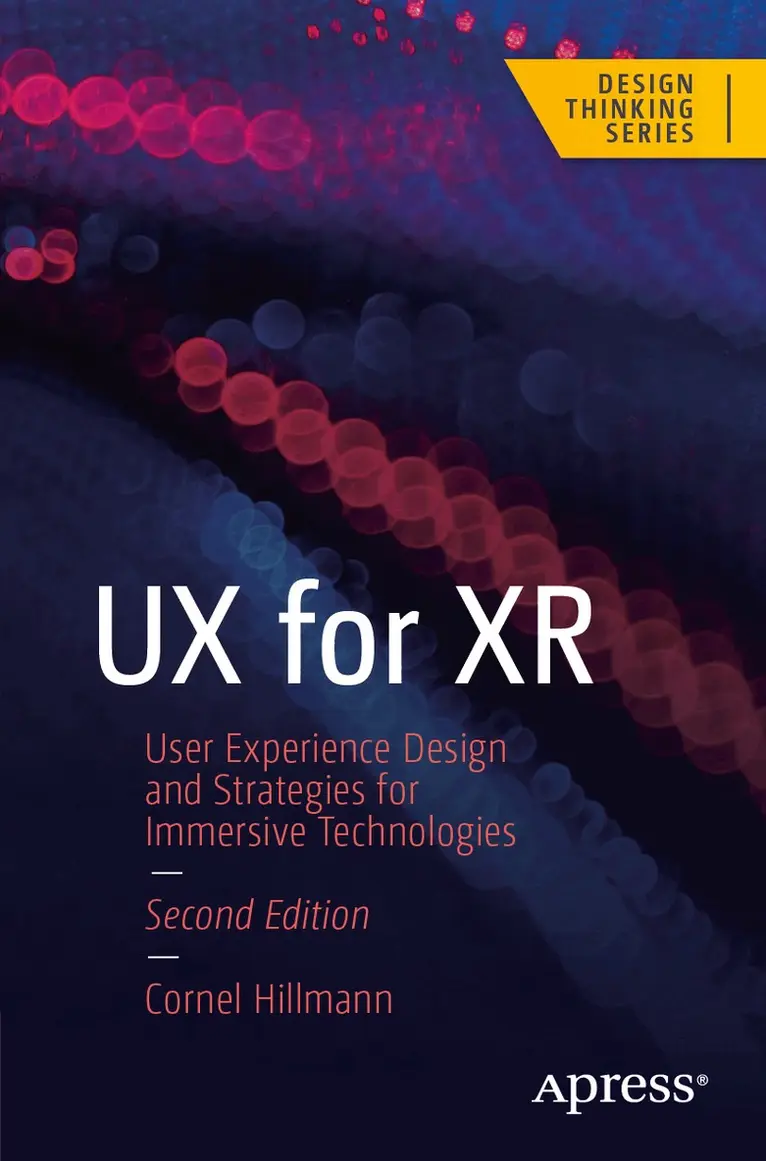
Extending traditional digital platforms to the new frontier of extended reality (XR) requires taking into account what best practices, new concepts, and conventions have been established and what learnings can be brought forward from case studies involving industry leaders. By looking at practical examples from the field of handheld AR breakthroughs, virtual reality (VR) success stories and experimental interaction concept of pioneering XR platforms, you'll see how it's possible to map out a framework of user experience (UX) guidelines to close in on opportunities and challenges that lay ahead.This book defines, identifies, and analyzes UX practices for XR environments and reviews the techniques and tools for prototyping and designing XR user interactions. You'll approach the design for experiential state and spatial cognition, using established UX key performance indicators, while taking into account the social dynamics, emotional framework and wider industry context.UX design and strategy for the XR space is a new frontier, so UX for XR focuses on case studies and industry research to illustrate the relationship between UX design and the growth of immersive technologies. Practical examples will demonstrate how you should apply UX design principles using designing interactions in XR by identifying the importance of spaces, senses and storyboarding.New for this Edition:Since the first edition published, the XR landscape has transformed in substantial ways. The major new topics we will explore are the Apple Vision Pro, the new paradigm of Mixed Reality HMDs, the arrival of designated and mature XR design tools such as ShapesXR and Bezi, As well as brand new chapters on spatial computing and AI applications to XR. You'll Learn To:Explore the challenges and opportunities of designing for XRSee how spatial interaction is revolutionizing human computer interactionExamine sensory input and interaction beyond the screenWork with 3D Interaction Design and build a strong 3D UXUnderstand VR and augmented reality essentials for emotion-rich user experiencesApply UX research techniques for the XR spaceThis Book Is ForUX designers, consultants, and strategists; XR developers and media professionals