Cory F. Newman – författare
Visar alla böcker från författaren Cory F. Newman. Handla med fri frakt och snabb leverans.
6 produkter
6 produkter
Inbunden, Engelska, 2012
1 777 kr
Skickas inom 10-15 vardagar
This volume is a concise, convenient, and clearly written book for those who wish to study, master, and teach the core competencies of cognitive-behavioral therapy. Relevant for novice therapists as well as experienced clinicians and supervisors, this text also goes “between the lines” of evidence-based practices to highlight those methods which maximize the motivational and inspirational power of this therapy. Dr. Newman focuses on ways in which therapists can make treatment memorable for clients, thus enhancing maintenance and self-efficacy. He also highlights the value system that is inherent in best practices of cognitive-behavioral therapies, such as clinicians’ commitment to earn the trust and collaboration of clients, to be humble students of the field for their entire careers, and to seek to combine the best of empirical thinking with warmth and creativity.Notably, this handbook also emphasizes the importance of therapists applying cognitive-behavioral principles to themselves in the form of self-reflective skills, good problem-solving, being role models of self-care, and being able to use techniques thoughtfully in the service of repairing strains in the therapeutic relationship. Newman’s book provides many enlightening clinical examples, including those practices that otherwise eager therapists should not do (such as “micro-managing” the client’s thoughts), as well as a plethora of transcript material that describes best supervisory practices. It does all this with a tone that is engaging, respectful of the reader, caring towards the clients, and optimistic about the positive impact cognitive-behavioral therapies—when learned and used well—can have on the lives of so many, clients and clinicians alike.
Häftad, Engelska, 2012
619 kr
Skickas inom 10-15 vardagar
This volume is a concise, convenient, and clearly written book for those who wish to study, master, and teach the core competencies of cognitive-behavioral therapy. Relevant for novice therapists as well as experienced clinicians and supervisors, this text also goes “between the lines” of evidence-based practices to highlight those methods which maximize the motivational and inspirational power of this therapy. Dr. Newman focuses on ways in which therapists can make treatment memorable for clients, thus enhancing maintenance and self-efficacy. He also highlights the value system that is inherent in best practices of cognitive-behavioral therapies, such as clinicians’ commitment to earn the trust and collaboration of clients, to be humble students of the field for their entire careers, and to seek to combine the best of empirical thinking with warmth and creativity.Notably, this handbook also emphasizes the importance of therapists applying cognitive-behavioral principles to themselves in the form of self-reflective skills, good problem-solving, being role models of self-care, and being able to use techniques thoughtfully in the service of repairing strains in the therapeutic relationship. Newman’s book provides many enlightening clinical examples, including those practices that otherwise eager therapists should not do (such as “micro-managing” the client’s thoughts), as well as a plethora of transcript material that describes best supervisory practices. It does all this with a tone that is engaging, respectful of the reader, caring towards the clients, and optimistic about the positive impact cognitive-behavioral therapies—when learned and used well—can have on the lives of so many, clients and clinicians alike.
E-bok
Engelska, 2013752 kr
Läs direkt efter köp
This volume is a concise, convenient, and clearly written book for those who wish to study, master, and teach the core competencies of cognitive-behavioral therapy. Relevant for novice therapists as well as experienced clinicians and supervisors, this text also goes “between the lines” of evidence-based practices to highlight those methods which maximize the motivational and inspirational power of this therapy. Dr. Newman focuses on ways in which therapists can make treatment memorable for clients, thus enhancing maintenance and self-efficacy. He also highlights the value system that is inherent in best practices of cognitive-behavioral therapies, such as clinicians’ commitment to earn the trust and collaboration of clients, to be humble students of the field for their entire careers, and to seek to combine the best of empirical thinking with warmth and creativity.Notably, this handbook also emphasizes the importance of therapists applying cognitive-behavioral principles to themselves in the form of self-reflective skills, good problem-solving, being role models of self-care, and being able to use techniques thoughtfully in the service of repairing strains in the therapeutic relationship. Newman’s book provides many enlightening clinical examples, including those practices that otherwise eager therapists should not do (such as “micro-managing” the client’s thoughts), as well as a plethora of transcript material that describes best supervisory practices. It does all this with a tone that is engaging, respectful of the reader, caring towards the clients, and optimistic about the positive impact cognitive-behavioral therapies—when learned and used well—can have on the lives of so many, clients and clinicians alike.
E-bok
PDF, Engelska, 2013752 kr
Läs direkt efter köp
This volume is a concise, convenient, and clearly written book for those who wish to study, master, and teach the core competencies of cognitive-behavioral therapy. Relevant for novice therapists as well as experienced clinicians and supervisors, this text also goes “between the lines” of evidence-based practices to highlight those methods which maximize the motivational and inspirational power of this therapy. Dr. Newman focuses on ways in which therapists can make treatment memorable for clients, thus enhancing maintenance and self-efficacy. He also highlights the value system that is inherent in best practices of cognitive-behavioral therapies, such as clinicians’ commitment to earn the trust and collaboration of clients, to be humble students of the field for their entire careers, and to seek to combine the best of empirical thinking with warmth and creativity.Notably, this handbook also emphasizes the importance of therapists applying cognitive-behavioral principles to themselves in the form of self-reflective skills, good problem-solving, being role models of self-care, and being able to use techniques thoughtfully in the service of repairing strains in the therapeutic relationship. Newman’s book provides many enlightening clinical examples, including those practices that otherwise eager therapists should not do (such as “micro-managing” the client’s thoughts), as well as a plethora of transcript material that describes best supervisory practices. It does all this with a tone that is engaging, respectful of the reader, caring towards the clients, and optimistic about the positive impact cognitive-behavioral therapies—when learned and used well—can have on the lives of so many, clients and clinicians alike.
Häftad, Engelska, 2016
511 kr
Skickas inom 5-8 vardagar
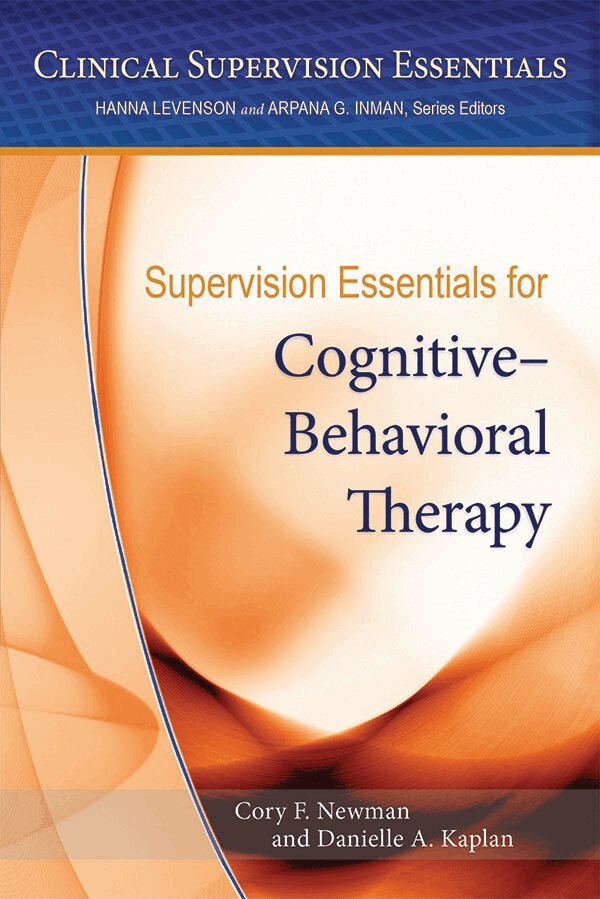
In this concise guide, Cory F. Newman and Danielle A. Kaplan offer an evidence-based approach to supervising practitioners of cognitive amp ndash behavioral therapy that is based on two key concepts: feedback that focuses on both strengths and weaknesses and demonstrations, such as role-playing exercises and videos of the supervisor amp rsquo s work with clients, that model experiential knowledge.Using helpful case examples including excerpts from real supervision sessions with real clinicians-in-training, Newman and Kaplan show how trainees can learn to think like effective CBT practitioners, whether conceptualizing cases and matching interventions to the individual needs of each client, or exhibiting comprehensive and subtle understandings of cultural competency and professional ethics.
E-bok
Engelska, 2011682 kr
Läs direkt efter köp
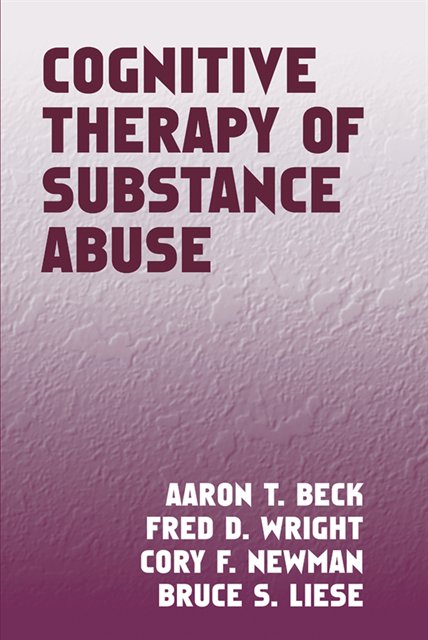
Cognitive therapy offers a well-documented and cost-effective psychosocial treatment model for working with substance abuse disorders. Comprehensive and accessible, this volume clearly details the cognitive model of addiction, the specifics of case formulation, management of the therapeutic relationship, and the structure of the therapy sessions. It discusses how to educate patients in the treatment model and procedures and manage their cravings and urges for drugs and alcohol. Specific cognitive and behavioral strategies and techniques are described in detail, as are methods for understanding and working with patients who present concomitant problems of depression, anxiety, low frustration tolerance, anger, and personality disorders. Also addressed are such significant issues as crisis management and relapse prevention. Enhancing the utility of the volume are appendices featuring sample client inventories and checklists. These forms are designed to help the clinician identify targets for intervention, track progress over time, and develop an individualized relapse prevention plan for each client.