Craig LaMay – författare
Visar alla böcker från författaren Craig LaMay. Handla med fri frakt och snabb leverans.
7 produkter
7 produkter
2 124 kr
Skickas inom 10-15 vardagar
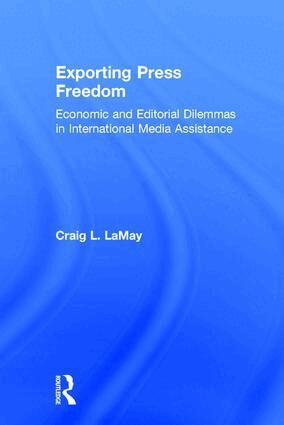
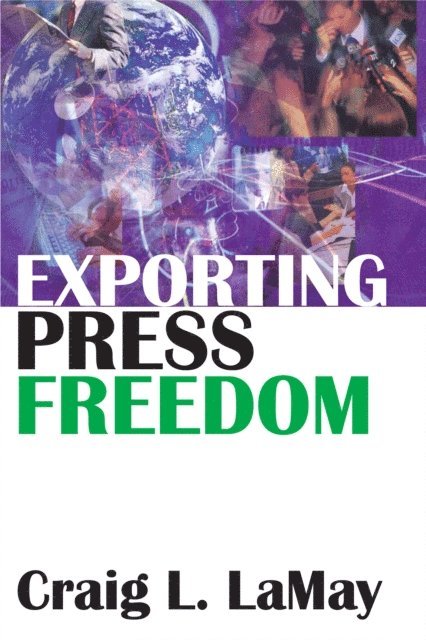
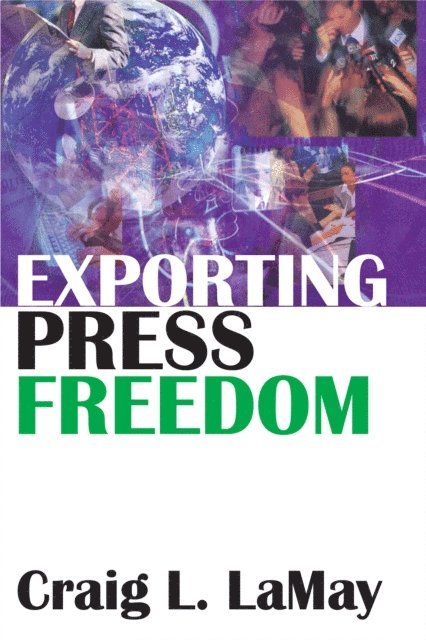
International media assistance is a small but important form of international democracy-promotion aid. Media assistance boomed after the 1989 transitions in Central Europe, but now flows to virtually all regions of the world. Today the media assistance industry is focused on the problem of sustainability: How are free and independent public affairs media supposed to maintain their editorial mission while facing hostile political systems or the demands of the consumer marketplace? Many media in developing countries have been or are grant-dependent. When grants are exhausted or withdrawn, media that were funded to further democratic consolidation typically wither and die. Some become mere grant chasers. Others abandon public service to the demands of market competition, or political patronage. As a result, governmental and non-governmental grant makers now emphasize the need for sustainability in considering grants in the media sector. Many grant recipients have grown frustrated, sometimes bitter, and have sought to take a much more active role in the way assistance programs are put together. Just how is sustainability to be achieved while also ensuring a public-service editorial mission? Exporting Press Freedom examines the history and practice of media assistance, and argues that the dilemma of media independence and sustainability is best understood as an economic problem rather than one of poor editorial standards or lack of will. It includes profiles of news and public affairs media in developing and democratizing countries, and also of two non-governmental organizations that have pioneered the use of low-interest loans in media assistance. These profiles exemplify strategic and entrepreneurial approaches to developing and supporting public service media. Such approaches may be of use not only in the developing world, but in the consolidated Western democracies as well, where concern has grown about poor journalistic performance and its consequences for democratic governance.
597 kr
Skickas inom 10-15 vardagar
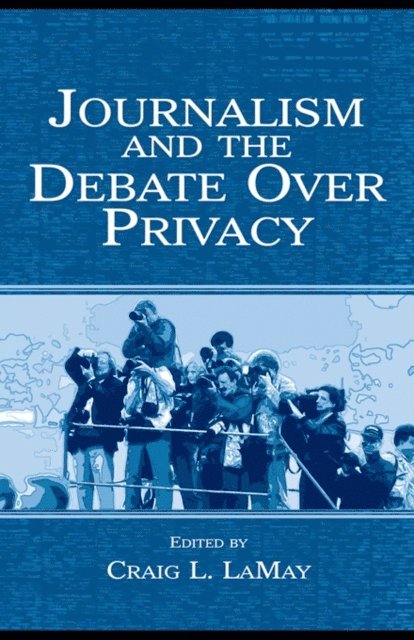
Journalism and the Debate Over Privacy situates the discussion of issues of privacy in the landscape of professional journalism. Privacy problems present the widest gap between what journalism ethics suggest and what the law allows. This edited volume examines these problems in the context of both free expression theory and newsroom practice. Including essays by some of the country's foremost First Amendment scholars, the volume starts off in Part I with an examination of privacy in theoretical terms, intended to start the reader thinking broadly about conceptual problems in discussions about journalism and privacy. Part II builds on the theoretical underpinnings and looks at privacy problems as they are experienced by working journalists. This volume features discussion of: *privacy as a socially-constructed right--a moving target that changes with technology, social norms, national experience, and journalistic practice; *privacy as both a property and a commercial right; *privacy in terms of journalism ethics and journalistic codes; *privacy as an attribute of press independence from government; and *Bartnicki v. Vopper and its implications for journalism. With this volume, editor Craig L. LaMay provides a concise, intellectually provocative overview of a topic that is of growing importance to journalists, both legally and ethically. The work is intended for scholars and advanced students in communication law, ethics, and First Amendment rights, and is also appropriate for First Amendment and media law classes in law schools.
2 124 kr
Skickas inom 10-15 vardagar
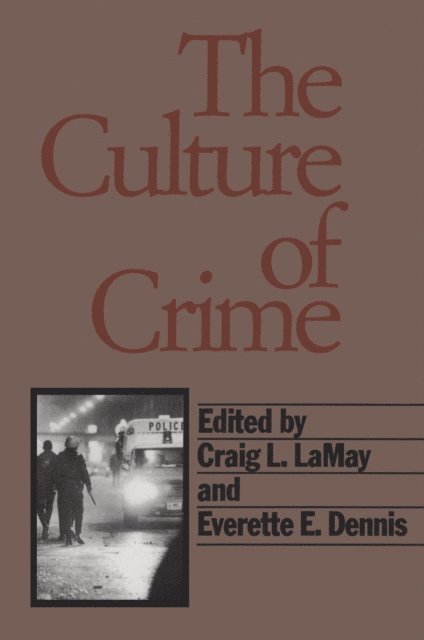
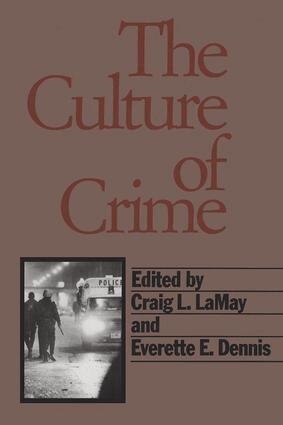
There is no journalistic work more deserving of the designation "story" than news of crime. From antiquity, the culture of crime has been about the human condition, and whether information comes from Homer, Hollywood, or the city desk, it is a bottom about the human capacity for cruelty and suffering, about desperation and fear, about sex, race, and public morals. Facts are important to the telling of a crime story, but ultimately less so than the often apocryphal narratives we derive from them.The Culture of Crime is hence about the most common and least studies staple of news. Its prominence dates at least to the 1830s, when the urban penny press employed violence, sex, and scandal to build dizzying high levels of circulation and begin the modern age of mass media. In its coverage of crime, in particular, the popular press represented a new kind of journalism, if not a new definition of news, that made available for public consumption whole areas of social and private life that the mercantile, elite, and political press earlier ignored. This legacy has continued unabated for 150 years. The book explores new wrinkles in the study of crime and as a mass cultural activity from exploring the private lives of public officials to dangers posed by constraints to a free press.The volume is prepared with the rigor of a scholarly brief but also the excitement of actual crime stories as such. Throughout, the reader is reminded that crime stories are both news and drama, and to ignore either is to diminish the other. The work delves deeply into current problems without either sentimental or trivial pursuits. It will be a volume of great interest to people in communications research, the social sciences, criminologists, and not least, the broad public which must endure the punishment of crime and the thrill of the crime story alike.
556 kr
Skickas inom 10-15 vardagar
Journalism and the Debate Over Privacy situates the discussion of issues of privacy in the landscape of professional journalism. Privacy problems present the widest gap between what journalism ethics suggest and what the law allows. This edited volume examines these problems in the context of both free expression theory and newsroom practice. Including essays by some of the country's foremost First Amendment scholars, the volume starts off in Part I with an examination of privacy in theoretical terms, intended to start the reader thinking broadly about conceptual problems in discussions about journalism and privacy. Part II builds on the theoretical underpinnings and looks at privacy problems as they are experienced by working journalists. This volume features discussion of: *privacy as a socially-constructed right--a moving target that changes with technology, social norms, national experience, and journalistic practice; *privacy as both a property and a commercial right; *privacy in terms of journalism ethics and journalistic codes; *privacy as an attribute of press independence from government; and *Bartnicki v. Vopper and its implications for journalism. With this volume, editor Craig L. LaMay provides a concise, intellectually provocative overview of a topic that is of growing importance to journalists, both legally and ethically. The work is intended for scholars and advanced students in communication law, ethics, and First Amendment rights, and is also appropriate for First Amendment and media law classes in law schools.
696 kr
Skickas inom 10-15 vardagar
International media assistance is a small but important form of international democracy-promotion aid. Media assistance boomed after the 1989 transitions in Central Europe, but now flows to virtually all regions of the world. Today the media assistance industry is focused on the problem of sustainability: How are free and independent public affairs media supposed to maintain their editorial mission while facing hostile political systems or the demands of the consumer marketplace? Many media in developing countries have been or are grant-dependent. When grants are exhausted or withdrawn, media that were funded to further democratic consolidation typically wither and die. Some become mere grant chasers. Others abandon public service to the demands of market competition, or political patronage. As a result, governmental and non-governmental grant makers now emphasize the need for sustainability in considering grants in the media sector. Many grant recipients have grown frustrated, sometimes bitter, and have sought to take a much more active role in the way assistance programs are put together. Just how is sustainability to be achieved while also ensuring a public-service editorial mission? Exporting Press Freedom examines the history and practice of media assistance, and argues that the dilemma of media independence and sustainability is best understood as an economic problem rather than one of poor editorial standards or lack of will. It includes profiles of news and public affairs media in developing and democratizing countries, and also of two non-governmental organizations that have pioneered the use of low-interest loans in media assistance. These profiles exemplify strategic and entrepreneurial approaches to developing and supporting public service media. Such approaches may be of use not only in the developing world, but in the consolidated Western democracies as well, where concern has grown about poor journalistic performance and its consequences for democratic governance.
487 kr
Tillfälligt slut
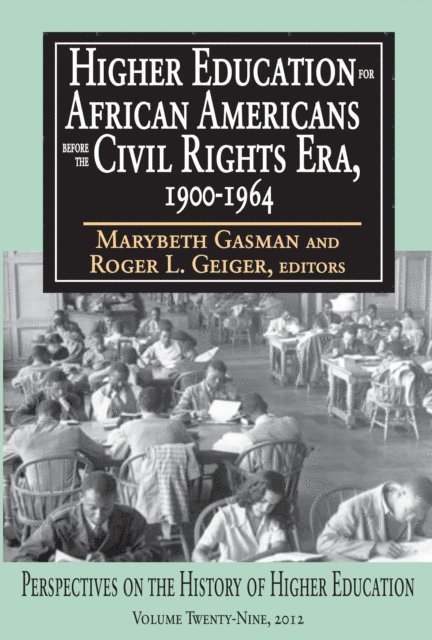
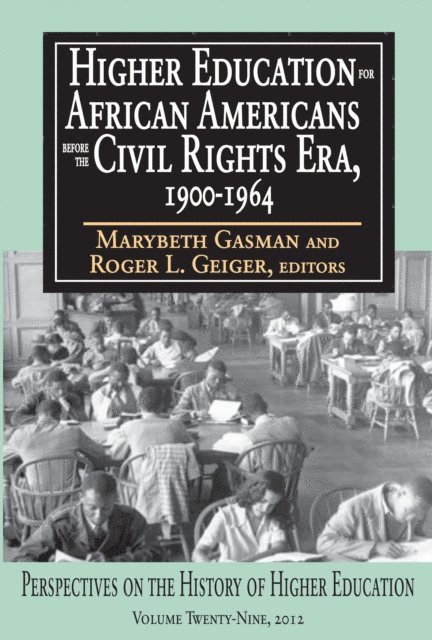
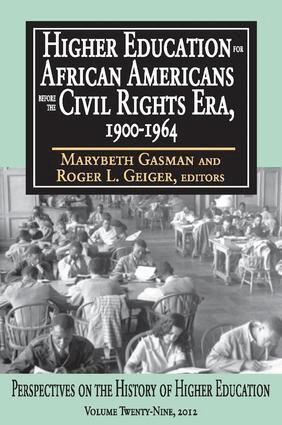
College and university education has long been a material and intellectual luxury in American life. Fewer than 38 percent of Americans have ever attended college, and only about half that number hold bachelor's degrees. While post-World War Two legislation greatly democratized higher education, the editors of this volume contend that the system has never been a public stewardship. Many universities are devoted to private sector research rather than public learning, to productivity rather than democratic discourse, and because of diminished financial opportunities, increasingly exclude poor, working and lower middle class students, many of them people of color.The contributors to this volume recognize that the American system of higher education is the most open and egalitarian in the world. Largely for this reason, it is the only American institution which today enjoys a positive balance of trade. Many more foreign students come to study at American universities than do Americans go to study abroad. The study of higher education in an information age means examining higher education. The place of economics in decision-making is as a vehicle for social mobility.The volume covers a myriad of themes: the role of media ranking universities, and their contribution to low expectations of universities; the disjunction between massive support for college and university sports events and the intellectual and presumed academic missions of these institutions of higher learning; and boosterism as a general phenomenon in funding. Yet, editors and contributors alike emphasize new currents in the educational agenda. The essays cover efforts to close the gap between the mutual recriminations of universities and media leaders. The theme of this volume is that there is a crisis in higher education and a crisis hi knowledge - who produces it, controls it, uses it, and benefits by it. Properly understood, the issues common to both higher education and the media have profound implications for public life.This volume is critical of current practices, but also mindful that the university remains a place in which civil forms of discourse are central, and hence of great potential benefit to the dissemination of information and ideas as such. It will be of interest to professional interested hi communication and education.
622 kr
Skickas inom 10-15 vardagar
There is no journalistic work more deserving of the designation "story" than news of crime. From antiquity, the culture of crime has been about the human condition, and whether information comes from Homer, Hollywood, or the city desk, it is a bottom about the human capacity for cruelty and suffering, about desperation and fear, about sex, race, and public morals. Facts are important to the telling of a crime story, but ultimately less so than the often apocryphal narratives we derive from them.The Culture of Crime is hence about the most common and least studies staple of news. Its prominence dates at least to the 1830s, when the urban penny press employed violence, sex, and scandal to build dizzying high levels of circulation and begin the modern age of mass media. In its coverage of crime, in particular, the popular press represented a new kind of journalism, if not a new definition of news, that made available for public consumption whole areas of social and private life that the mercantile, elite, and political press earlier ignored. This legacy has continued unabated for 150 years. The book explores new wrinkles in the study of crime and as a mass cultural activity—from exploring the private lives of public officials to dangers posed by constraints to a free press.The volume is prepared with the rigor of a scholarly brief but also the excitement of actual crime stories as such. Throughout, the reader is reminded that crime stories are both news and drama, and to ignore either is to diminish the other. The work delves deeply into current problems without either sentimental or trivial pursuits. It will be a volume of great interest to people in communications research, the social sciences, criminologists, and not least, the broad public which must endure the punishment of crime and the thrill of the crime story alike.