Craig Wilson – författare
Visar alla böcker från författaren Craig Wilson. Handla med fri frakt och snabb leverans.
17 produkter
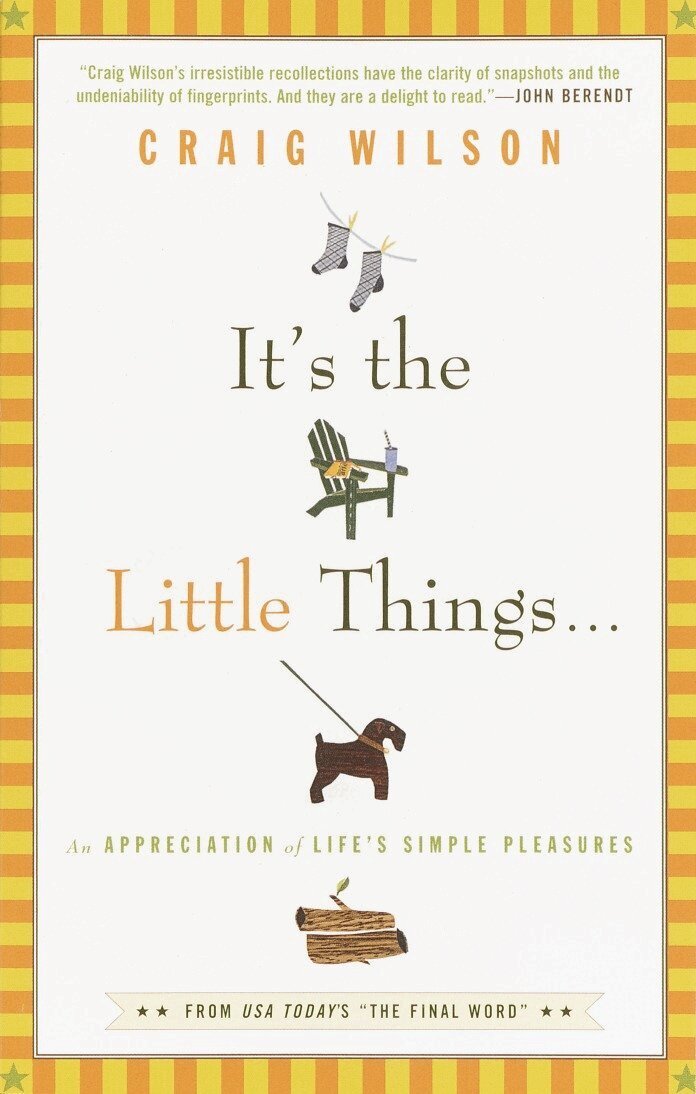
It's the Little Things . . .
An Appreciation of Life''s Simple Pleasures
Av Craig Wilson
E-bok, 2007
80 kr
Lägg i varukorg
In 1996, Craig Wilson began writing a column for USA Today called “The Final Word.” In it, he extolled the virtues of the true pleasures in life—clotheslines, freshly cut firewood, sweet corn, and Adirondack chairs—and looked back on his childhood in the country with fondness and an infectious …
It's the Little Things . . .
An Appreciation of Life's Simple Pleasures
Av Craig Wilson
Häftad, 2002
191 kr
Lägg i varukorg
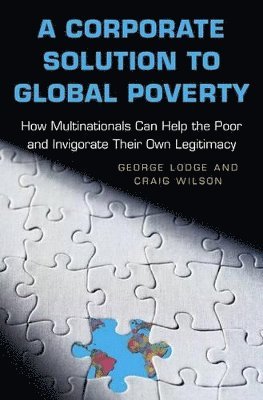
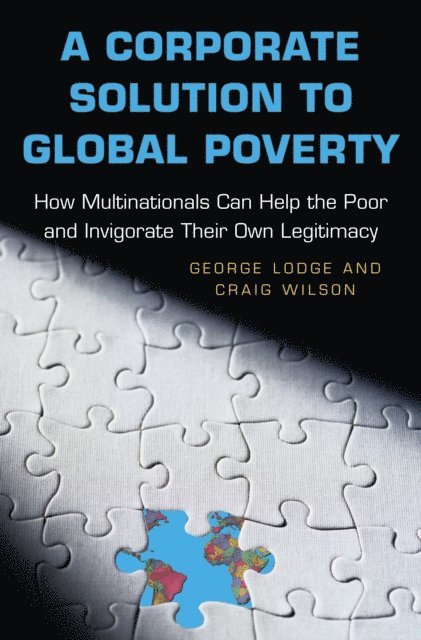
Corporate Solution to Global Poverty
How Multinationals Can Help the Poor and Invigorate Their Own Legitimacy
Inbunden, 2006
245 kr
Lägg i varukorg
World leaders have given the reduction of global poverty top priority. And yet it persists. Indeed, in many countries whose governments lack either the desire or the ability to act, poverty has worsened. This book, a joint venture of a Harvard professor and an economist with the International …
Corporate Solution to Global Poverty
How Multinationals Can Help the Poor and Invigorate Their Own Legitimacy
Häftad, 2016
561 kr
Lägg i varukorg
World leaders have given the reduction of global poverty top priority. And yet it persists. Indeed, in many countries whose governments lack either the desire or the ability to act, poverty has worsened. This book, a joint venture of a Harvard professor and an economist with the International …
Population Decline in Montana
1991
Av Patrick C Jobes, William Wyckoff m. fl.
Inbunden, 2023
345 kr
Lägg i varukorg
Population Decline in Montana
1991
Av Patrick C Jobes, William Wyckoff m. fl.
Häftad, 2023
176 kr
Lägg i varukorg
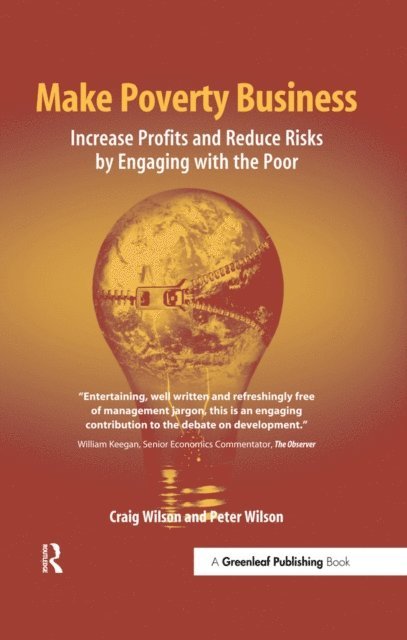
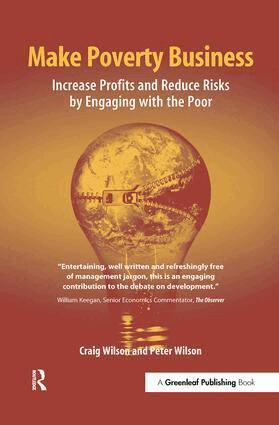
Make Poverty Business
Increase Profits and Reduce Risks by Engaging with the Poor
E-bok, 2017
678 kr
Lägg i varukorg
Poor people in developing countries could make excellent suppliers, employees and customers but are often ignored by major businesses. This omission leads to increased risk, higher costs and lower sales. Meanwhile, businesses are asked by governments and poverty activists to do more for economic …
Make Poverty Business
Increase Profits and Reduce Risks by Engaging with the Poor
E-bok, 2017
678 kr
Lägg i varukorg
Poor people in developing countries could make excellent suppliers, employees and customers but are often ignored by major businesses. This omission leads to increased risk, higher costs and lower sales. Meanwhile, businesses are asked by governments and poverty activists to do more for economic …
Corporate Solution to Global Poverty
How Multinationals Can Help the Poor and Invigorate Their Own Legitimacy
E-bok, 2016
412 kr
Lägg i varukorg
World leaders have given the reduction of global poverty top priority. And yet it persists. Indeed, in many countries whose governments lack either the desire or the ability to act, poverty has worsened. This book, a joint venture of a Harvard professor and an economist with the International …
Make Poverty Business
Increase Profits and Reduce Risks by Engaging with the Poor
Inbunden, 2006
766 kr
Lägg i varukorg
Poor people in developing countries could make excellent suppliers, employees and customers but are often ignored by major businesses. This omission leads to increased risk, higher costs and lower sales. Meanwhile, businesses are asked by governments and poverty activists to do more for economic …
Hanging by a Thread
A Kite’s View of Wisconsin
Av Craig Wilson
Häftad, 2011
281 kr
Tillfälligt slut
This full-color book of photographs records Wisconsin from an unusual viewpoint: a camera suspended from a kite and controlled by photographer Craig M. Wilson from the ground. Taken from fifty to a few hundred feet in the air, Wilson's photos capture natural and man-made views that wouldn't …
Compass and the Nail
How the Patagonia Model of Loyalty Can Save Your Business, and Might Just Save the Planet [Revised Hardcover Edition]
Av Craig Wilson
Inbunden, 2021
230 kr
Tillfälligt slut
Winner of the 800-CEO-READS Best Marketing Book of 2015Why do some companies create such strong affection for their brands that their customers are compelled to become active brand champions? Is there a secret?The Compass and the Nail presents an unconventional perspective of how particular …
Compass and the Nail
How the Patagonia Model of Loyalty Can Save Your Business, and Might Just Save the Planet
Av Craig Wilson
Häftad, 2019
165 kr
Tillfälligt slut
Winner of the 800-CEO-READS Best Marketing Book of 2015Why do some companies create such strong affection for their brands that their customers are compelled to become active brand champions? Is there a secret?The Compass and the Nail presents an unconventional perspective of how particular …