Cristian Cercel – författare
Visar alla böcker från författaren Cristian Cercel. Handla med fri frakt och snabb leverans.
6 produkter
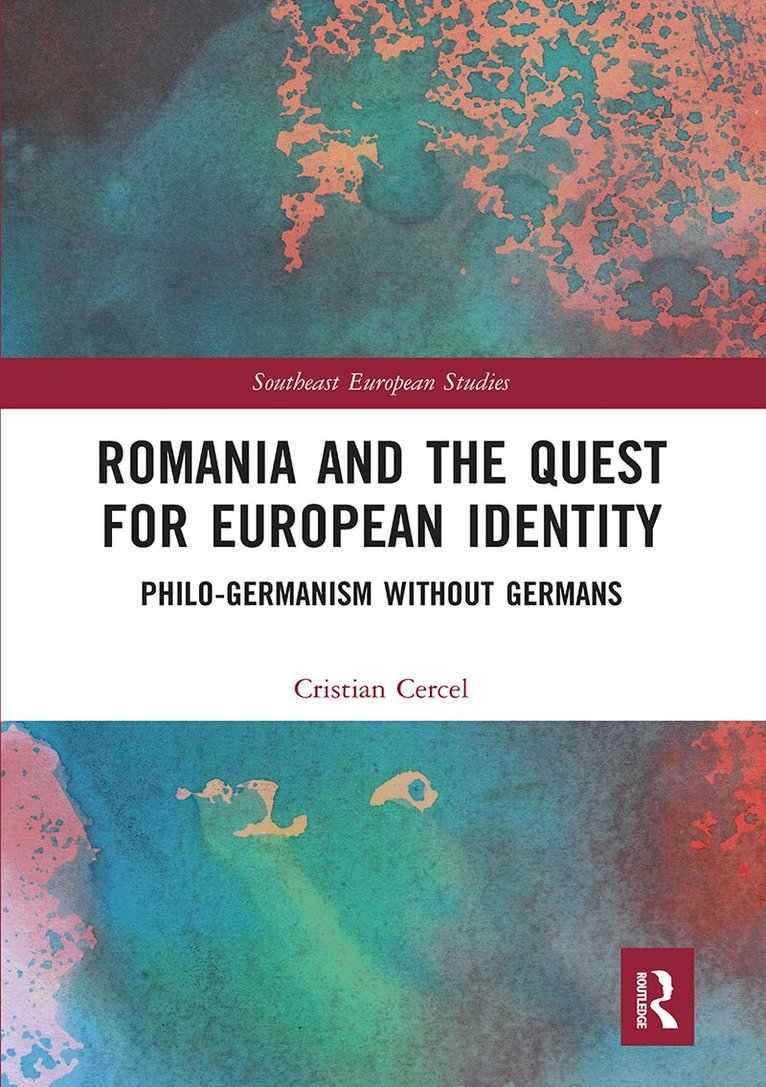
Romania and the Quest for European Identity
Philo-Germanism without Germans
Häftad, 2021
710 kr
Lägg i varukorg
Exploring the largely positive representations of Romanian Germans predominating in post-1989 Romanian society, this book shows that the underlying reasons for German prestige are strongly connected with Romania’s endeavors to become European.The election, in 2014, of Klaus Iohannis as Romania’s …
Romania and the Quest for European Identity
Philo-Germanism without Germans
E-bok, 2019
814 kr
Lägg i varukorg
Exploring the largely positive representations of Romanian Germans predominating in post-1989 Romanian society, this book shows that the underlying reasons for German prestige are strongly connected with Romania’s endeavors to become European. The election, in 2014, of Klaus Iohannis as …
Romania and the Quest for European Identity
Philo-Germanism without Germans
E-bok, 2019
814 kr
Lägg i varukorg
Exploring the largely positive representations of Romanian Germans predominating in post-1989 Romanian society, this book shows that the underlying reasons for German prestige are strongly connected with Romania’s endeavors to become European. The election, in 2014, of Klaus Iohannis as …
Romania and the Quest for European Identity
Philo-Germanism without Germans
Inbunden, 2019
2578 kr
Lägg i varukorg
Exploring the largely positive representations of Romanian Germans predominating in post-1989 Romanian society, this book shows that the underlying reasons for German prestige are strongly connected with Romania’s endeavors to become European.The election, in 2014, of Klaus Iohannis as Romania’s …
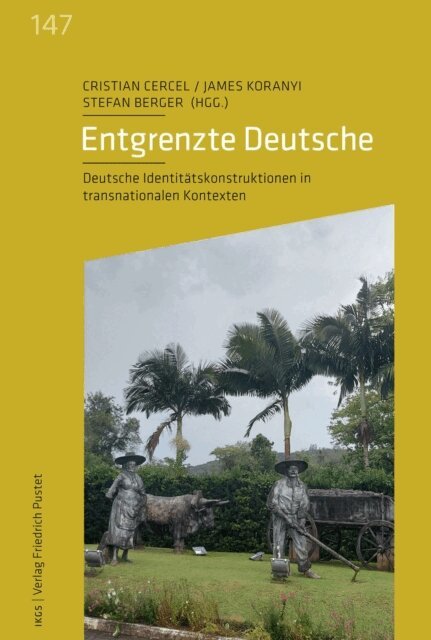
Entgrenzte Deutsche
Deutsche Identitätskonstruktionen in transnationalen Kontexten
Av Stefan Berger, James Koranyi m. fl.
E-bok, 2026
367 kr
Lägg i varukorg
Dieser Sammelband geht auf den Workshop "Transnational Germans: Competing Ideas of Germanness since the Mid-Nineteenth Century" an der Ruhr-Universität Bochum zurück.Die Beiträge von AutorInnen, die an Universitäten und Forschungseinrichtungen in Australien, Deutschland, Estland, Großbritannien, …