Cristina Marinho – författare
Visar alla böcker från författaren Cristina Marinho. Handla med fri frakt och snabb leverans.
8 produkter
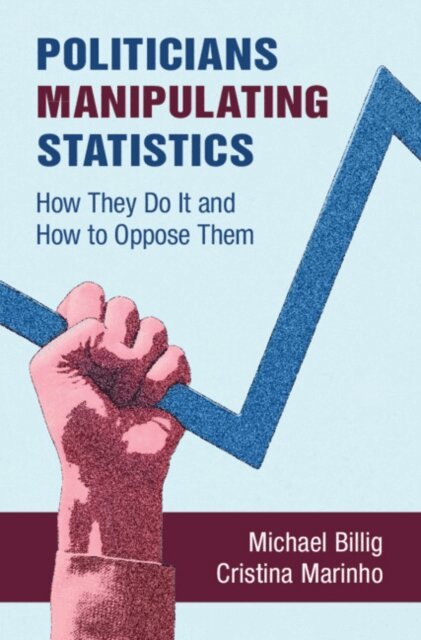
Politicians Manipulating Statistics
How They Do It and How to Oppose Them
Av Cristina Marinho, Michael Billig
E-bok, 2025
453 kr
Lägg i varukorg
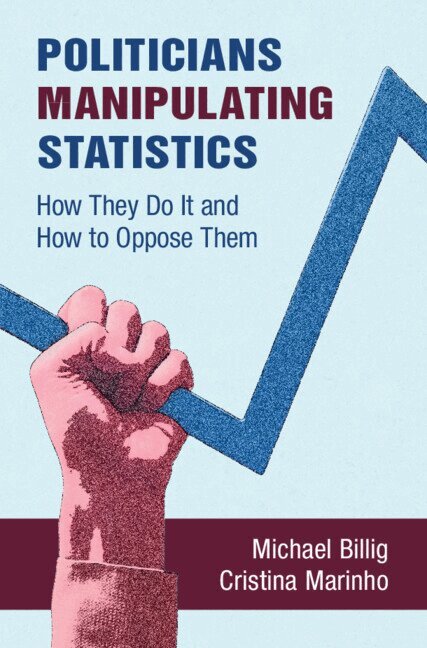
Politicians Manipulating Statistics
How They Do It and How to Oppose Them
Av Michael Billig, Cristina Marinho
Inbunden, 2025
1360 kr
Lägg i varukorg
Highly original and insightful, Billig and Marinho's book investigates how politicians misuse official statistics. Setting this problem in its historical context - and offering vivid case studies of Donald Trump, Boris Johnson and Gérald Darmanin - the authors demonstrate that the manipulation of …
Politicians Manipulating Statistics
How They Do It and How to Oppose Them
Av Cristina Marinho, Michael Billig
E-bok, 2025
444 kr
Lägg i varukorg
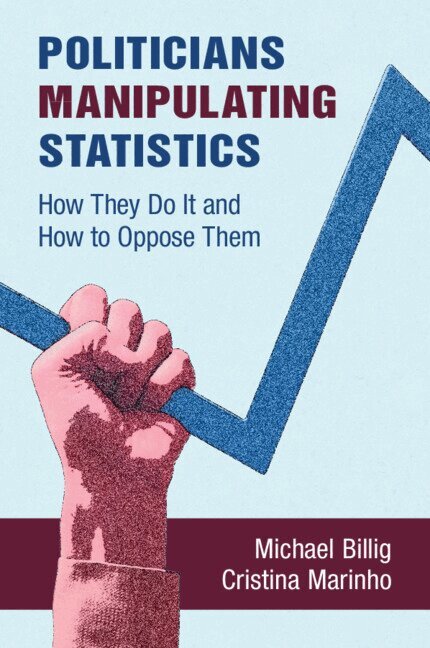
Politicians Manipulating Statistics
How They Do It and How to Oppose Them
Av Michael Billig, Cristina Marinho
Häftad, 2025
442 kr
Lägg i varukorg
Highly original and insightful, Billig and Marinho's book investigates how politicians misuse official statistics. Setting this problem in its historical context - and offering vivid case studies of Donald Trump, Boris Johnson and Gérald Darmanin - the authors demonstrate that the manipulation of …
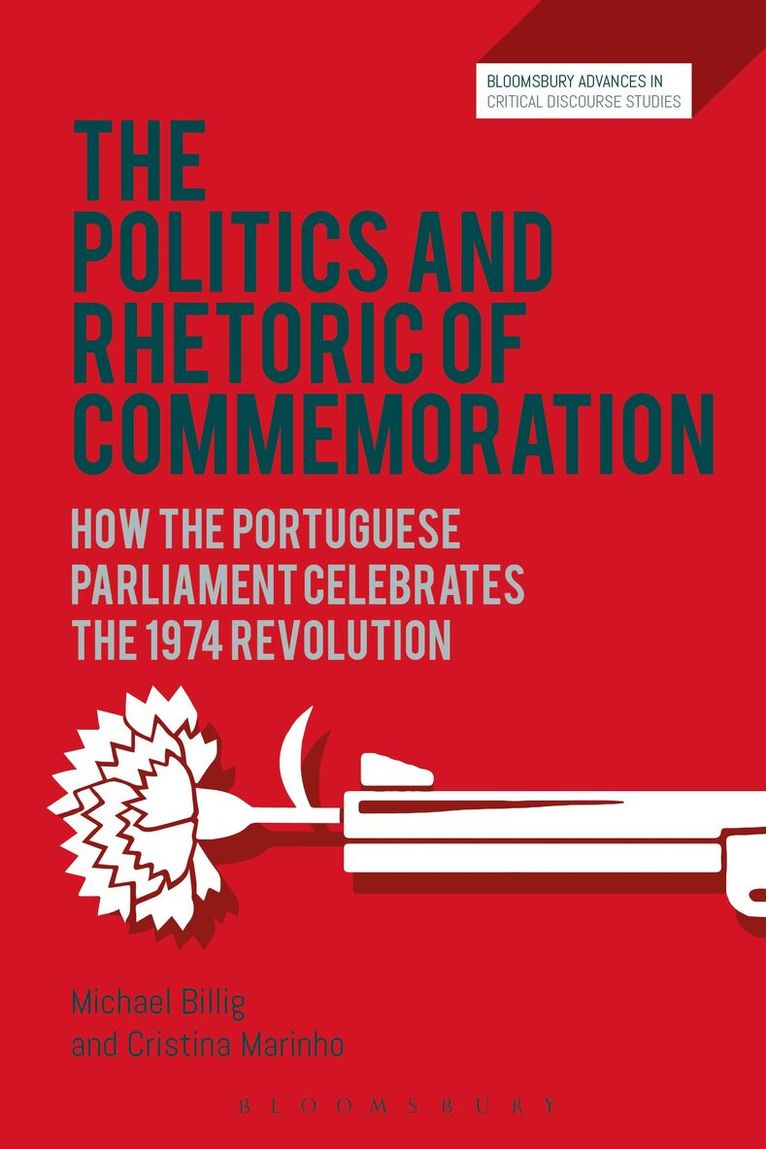
Politics and Rhetoric of Commemoration
How the Portuguese Parliament Celebrates the 1974 Revolution
Av Michael Billig, Cristina Marinho m. fl.
Häftad, 2019
500 kr
Lägg i varukorg
In recent years there has been much interest in collective memory and commemoration. It is often assumed that when nations celebrate a historic day, they put aside the divisions of the present to recall the past in a spirit of unity. As Billig and Marinho show, this does not apply to the Portuguese …
Politics and Rhetoric of Commemoration
How the Portuguese Parliament Celebrates the 1974 Revolution
Av Michael Billig, Cristina Marinho
Inbunden, 2017
2038 kr
Lägg i varukorg
In recent years there has been much interest in collective memory and commemoration. It is often assumed that when nations celebrate a historic day, they put aside the divisions of the present to recall the past in a spirit of unity. As Billig and Marinho show, this does not apply to the Portuguese …
Politics and Rhetoric of Commemoration
How the Portuguese Parliament Celebrates the 1974 Revolution
Av Michael Billig, Cristina Marinho
E-bok, 2017
546 kr
Lägg i varukorg
In recent years there has been much interest in collective memory and commemoration. It is often assumed that when nations celebrate a historic day, they put aside the divisions of the present to recall the past in a spirit of unity. As Billig and Marinho show, this does not apply to the Portuguese …
Politics and Rhetoric of Commemoration
How the Portuguese Parliament Celebrates the 1974 Revolution
Av Michael Billig, Cristina Marinho
E-bok, 2017
530 kr
Lägg i varukorg
In recent years there has been much interest in collective memory and commemoration. It is often assumed that when nations celebrate a historic day, they put aside the divisions of the present to recall the past in a spirit of unity. As Billig and Marinho show, this does not apply to the Portuguese …