Cristina Ortiz Ceberio - Böcker
Visar alla böcker från författaren Cristina Ortiz Ceberio. Handla med fri frakt och snabb leverans.
2 produkter
2 produkter
Del 28 - Wor(L)Ds of Change: Latin American and Iberian Literature
Recontextualizacion de la Poetica del Siglo XVII en la Obra de Jorge Luis Borges
Häftad, Spanska, 2008
734 kr
Tillfälligt slut
El cuestionamiento al cual la postmodernidad somete la periodizacion historica permite rescatar nociones esteticas del pasado que posibilitan la relectura de textos contemporaneos bajo una nueva luz. En este sentido, el barroco es sin duda el concepto que mas reformulaciones ha sufrido como categoria estetica valida para explicar fenomenos artisticos contemporaneos. La aproximacion al debate, sin embargo, se ha focalizado en equiparar la experiencia barroca con rasgos de estilo. Este libro pretende releer la poetica del siglo XVII desde su aportacion filosofico-conceptual y aplicarla a uno de los escritores mas sobresalientes de la literatura universal: Jorge Luis Borges.
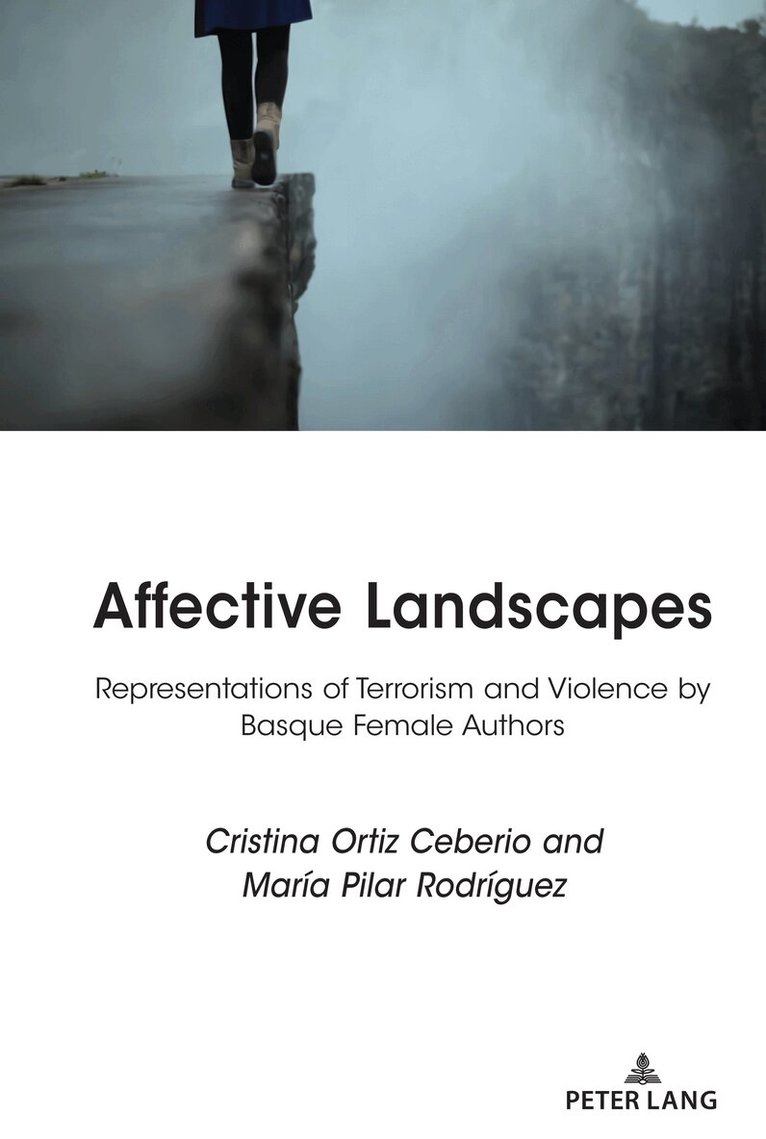
Affective Landscapes
Representations of Terrorism and Violence by Basque Female Authors
Inbunden, Engelska, 2021
1 126 kr
Skickas inom 5-8 vardagar
Affective Landscapes: Representation of Terrorism and Violence by Basque Female Authors draws from contemporary social and cultural theory of affect to analyze the Basque Country’s political violence since the birth of the terrorist organization E.T.A. The study focuses on how this violence has been represented in contemporary works of literature and cinema authored by women and examines the alternative means these authors use to examine political violence from a gendered perspective. The artistic works analyzed in this volume highlight the connection between violence and the production of specific affective states; these authors’ stories illustrate the pernicious effects that violence has for human relationality and social bonds. As such, the study provides new readings of seminal works authored by Basque women during this period of violence and, in doing so, it renders a much-needed contribution to the place that their artistic productions have in providing a novel understanding of the Basque political reality. The study presents a groundbreaking analysis to understand the centrality of affect as a unique prism to approach violent contexts, to present different affirmations of the "political," and to bring to light social dynamics otherwise unnoticed.