Cristina Plamadeala – författare
Visar alla böcker från författaren Cristina Plamadeala. Handla med fri frakt och snabb leverans.
8 produkter
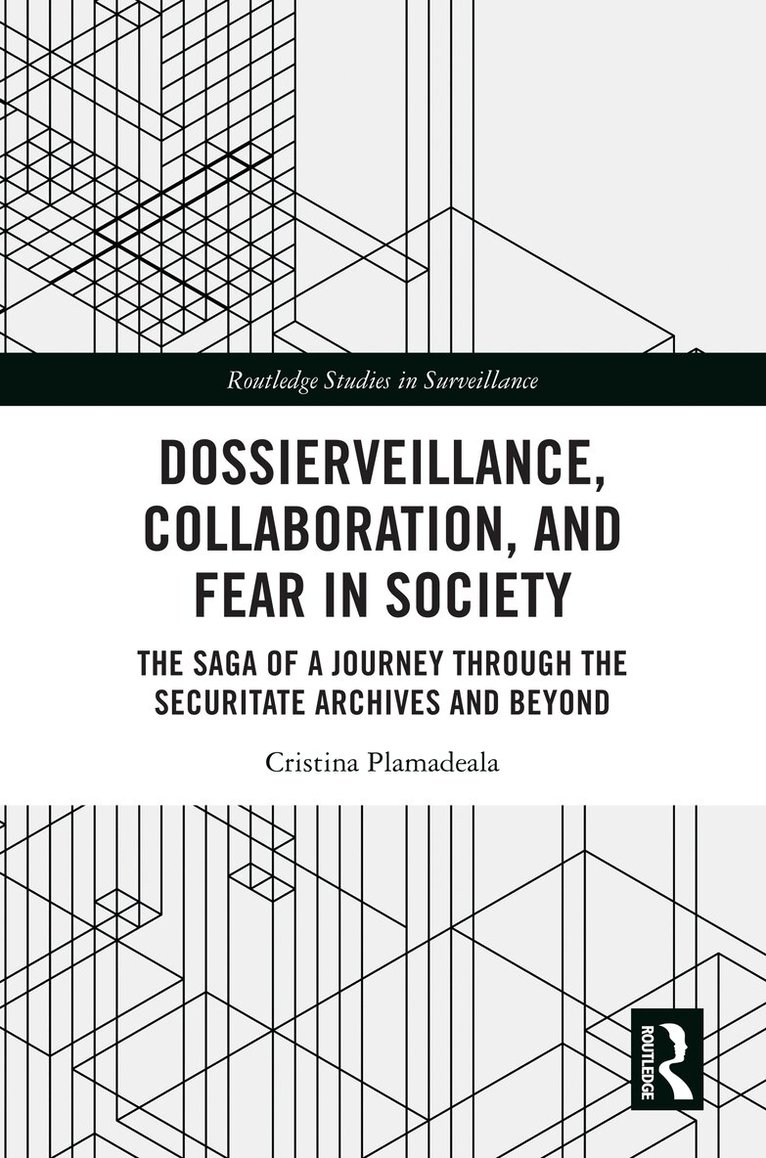
Dossierveillance, Collaboration, and Fear in Society
The Saga of a Journey Through the Securitate Archives and Beyond
Inbunden, 2025
2504 kr
Lägg i varukorg
Exploring the cultural history of surveillance practices of the Securitate, Romania’s secret police during its communist period, the book blends biographical details in a historical inquiry to establish the concepts of psuchegraphy, dossierveillance, and banalization of evil in the study of …
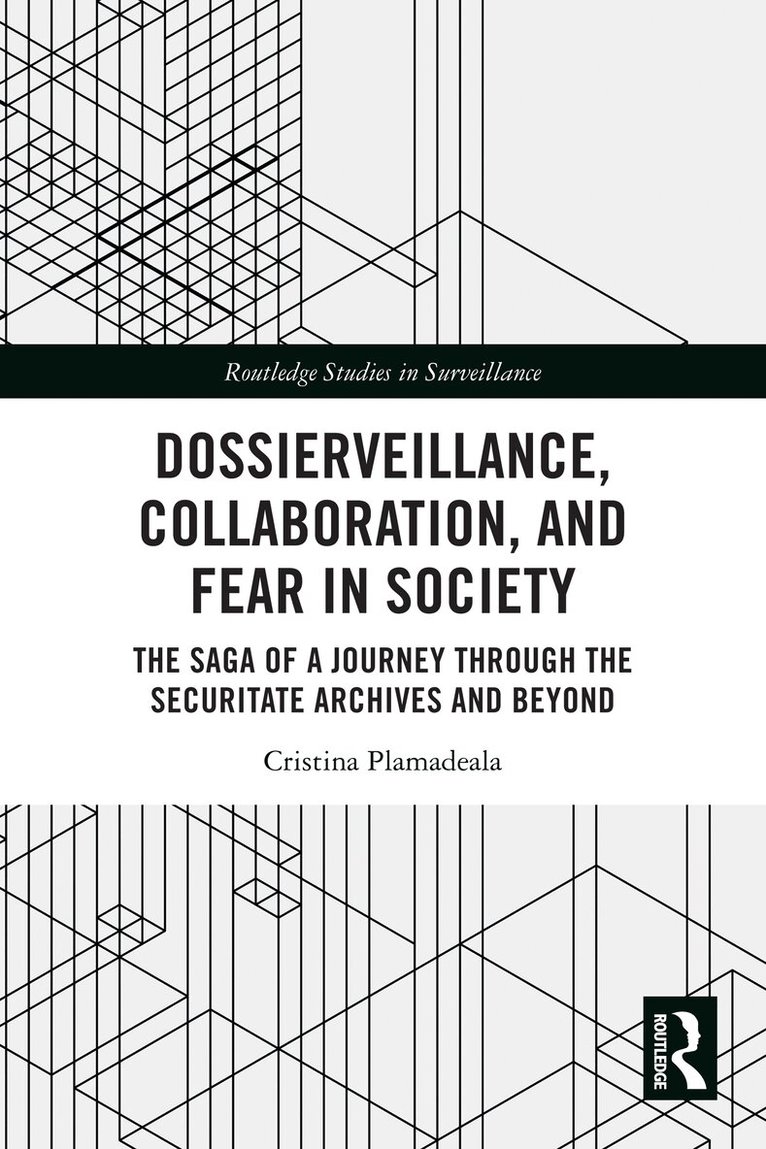
Dossierveillance, Collaboration, and Fear in Society
The Saga of a Journey Through the Securitate Archives and Beyond
Häftad, 2026
725 kr
Lägg i varukorg
Exploring the cultural history of surveillance practices of the Securitate, Romania’s secret police during its communist period, the book blends biographical details in a historical inquiry to establish the concepts of psuchegraphy, dossierveillance, and banalization of evil in the study of …
Dossierveillance, Collaboration, and Fear in Society
The Saga of a Journey Through the Securitate Archives and Beyond
E-bok, 2025
838 kr
Lägg i varukorg
Exploring the cultural history of surveillance practices of the Securitate, Romania’s secret police during its communist period, the book blends biographical details in a historical inquiry to establish the concepts of psuchegraphy, dossierveillance, and banalization of evil in the study of …
Dossierveillance, Collaboration, and Fear in Society
The Saga of a Journey Through the Securitate Archives and Beyond
E-bok, 2025
856 kr
Lägg i varukorg
Exploring the cultural history of surveillance practices of the Securitate, Romania’s secret police during its communist period, the book blends biographical details in a historical inquiry to establish the concepts of psuchegraphy, dossierveillance, and banalization of evil in the study of …
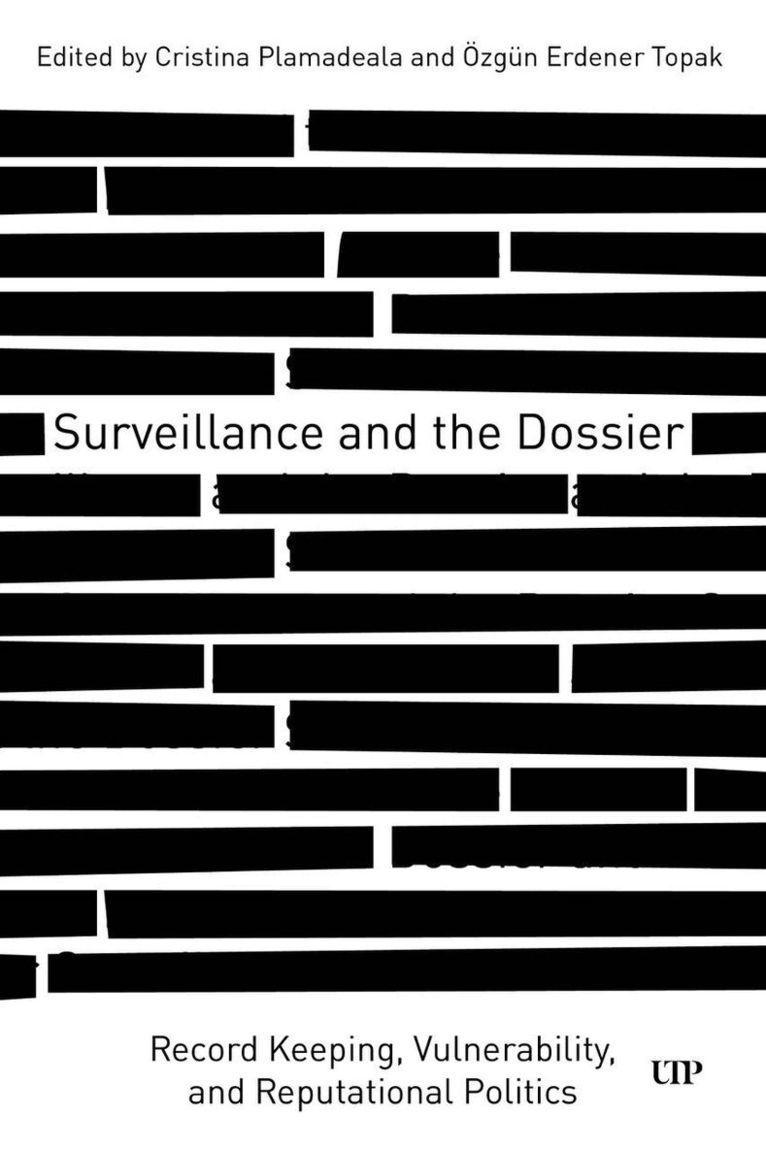
Surveillance and the Dossier
Record Keeping, Vulnerability, and Reputational Politics
Av Cristina Plamadeala, Özgün Erdener Topak
Inbunden, 2026
788 kr
Lägg i varukorg
Surveillance and the Dossier delves into how dossiers, both paper-based and digital, have been used by governments both historically and in contemporary times to inflict various forms of violence upon the public, including psychological, physical, and reputational. This volume establishes dossier …
Surveillance and the Dossier
Record Keeping, Vulnerability, and Reputational Politics
Häftad, 2026
298 kr
Kommande
Surveillance and the Dossier delves into how dossiers, both paper-based and digital, have been used by governments both historically and in contemporary times to inflict various forms of violence upon the public, including psychological, physical, and reputational. This volume establishes dossier …
Surveillance and the Dossier
Record Keeping, Vulnerability, and Reputational Politics
Av Ozgun Erdener Topak, Cristina Plamadeala
E-bok, 2026
962 kr
Lägg i varukorg
Surveillance and the Dossier delves into how dossiers, both paper-based and digital, have been used by governments both historically and in contemporary times to inflict various forms of violence upon the public, including psychological, physical, and reputational. This volume establishes dossier …
Surveillance and the Dossier
Record Keeping, Vulnerability, and Reputational Politics
Av Ozgun Erdener Topak, Cristina Plamadeala
E-bok, 2026
962 kr
Lägg i varukorg
Surveillance and the Dossier delves into how dossiers, both paper-based and digital, have been used by governments both historically and in contemporary times to inflict various forms of violence upon the public, including psychological, physical, and reputational. This volume establishes dossier …