Cristobal Kay – författare
Visar alla böcker från författaren Cristobal Kay. Handla med fri frakt och snabb leverans.
23 produkter
Latin America Transformed
Globalization and Modernity
Av Robert N. Gwynne, Cristobal Kay m. fl.
Häftad, 2004
822 kr
Lägg i varukorg
Praise for the first edition:'Accomplishes its task to provide readers with a broad multi-disciplinary view on globalization's many impacts on Latin America ... the organization of the collection is logical and thoughtful, and the structural perspectives offered are convincing and powerful. I …
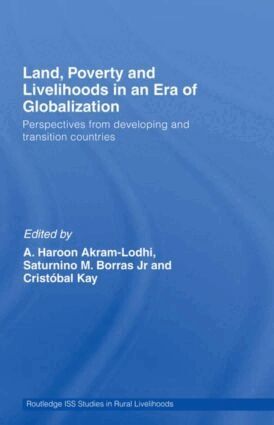
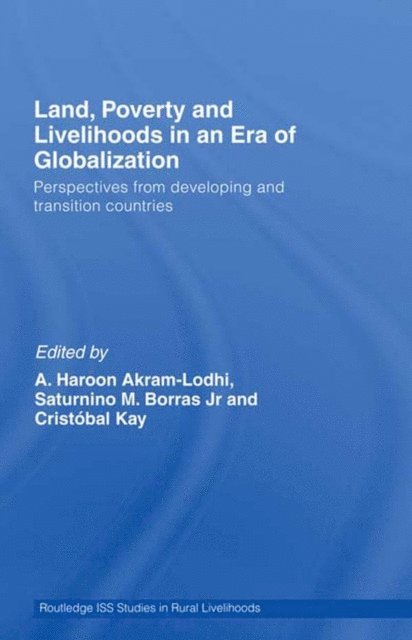
Land, Poverty and Livelihoods in an Era of Globalization
Perspectives from Developing and Transition Countries
Av A. Haroon Akram-Lodhi, Saturnino M. Borras Jr. m. fl.
Inbunden, 2006
3156 kr
Lägg i varukorg
A host of internationally eminent scholars are brought together here to explore the structural causes of rural poverty and income inequality, as well as the processes of social exclusion and political subordination encountered by the peasantry and rural workers across a wide range of countries.This …
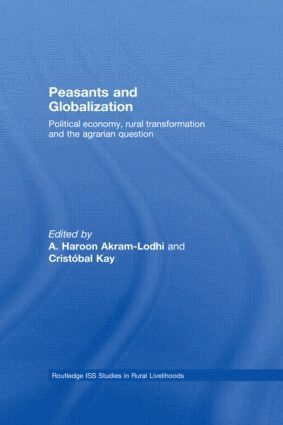
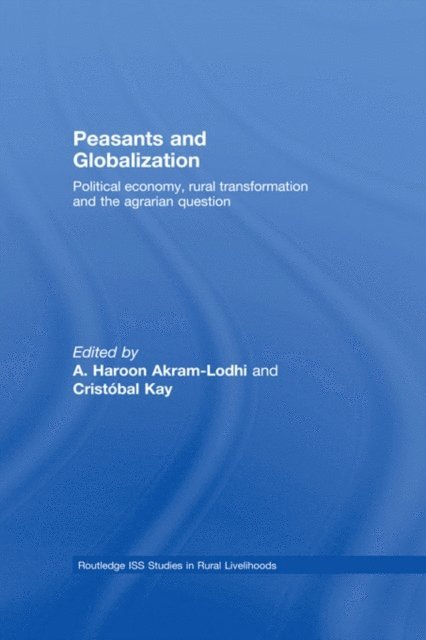
Peasants and Globalization
Political economy, rural transformation and the agrarian question
Av A. Haroon Akram-Lodhi, Cristóbal Kay
Inbunden, 2008
2476 kr
Lägg i varukorg
In 2007, for the first time in human history, a majority of the world’s population lived in cities. However, on a global scale, poverty overwhelmingly retains a rural face. This book assembles an unparalleled group of internationally-eminent scholars in the field of rural development and social …
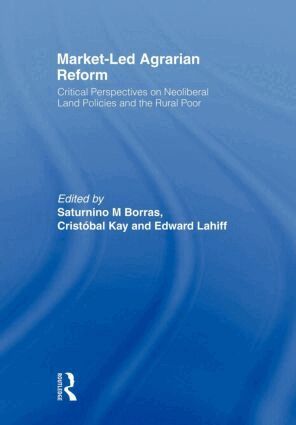
Market-Led Agrarian Reform
Av Saturnino Borras Jr., Cristóbal Kay m. fl.
Inbunden, 2008
1400 kr
Lägg i varukorg
Three-fourths of the world’s poor are rural poor. Most of the rural poor remain dependent on land-based livelihoods for their incomes and reproduction despite significant livelihood diversification in recent years. Land issue remains critical to any development discourse today. Market-led agrarian …
Land, Poverty and Livelihoods in an Era of Globalization
Perspectives from Developing and Transition Countries
Av A. Haroon Akram-Lodhi, Saturnino M. Borras Jr. m. fl.
Häftad, 2009
910 kr
Lägg i varukorg
A host of internationally eminent scholars are brought together here to explore the structural causes of rural poverty and income inequality, as well as the processes of social exclusion and political subordination encountered by the peasantry and rural workers across a wide range of countries.This …
Peasants and Globalization
Political economy, rural transformation and the agrarian question
Av A. Haroon Akram-Lodhi, Cristóbal Kay
Häftad, 2010
894 kr
Lägg i varukorg
In 2007, for the first time in human history, a majority of the world’s population lived in cities. However, on a global scale, poverty overwhelmingly retains a rural face. This book assembles an unparalleled group of internationally-eminent scholars in the field of rural development and social …
Market-Led Agrarian Reform
Av Saturnino Borras Jr., Cristóbal Kay m. fl.
Häftad, 2011
460 kr
Lägg i varukorg
Three-fourths of the world’s poor are rural poor. Most of the rural poor remain dependent on land-based livelihoods for their incomes and reproduction despite significant livelihood diversification in recent years. Land issue remains critical to any development discourse today. Market-led agrarian …
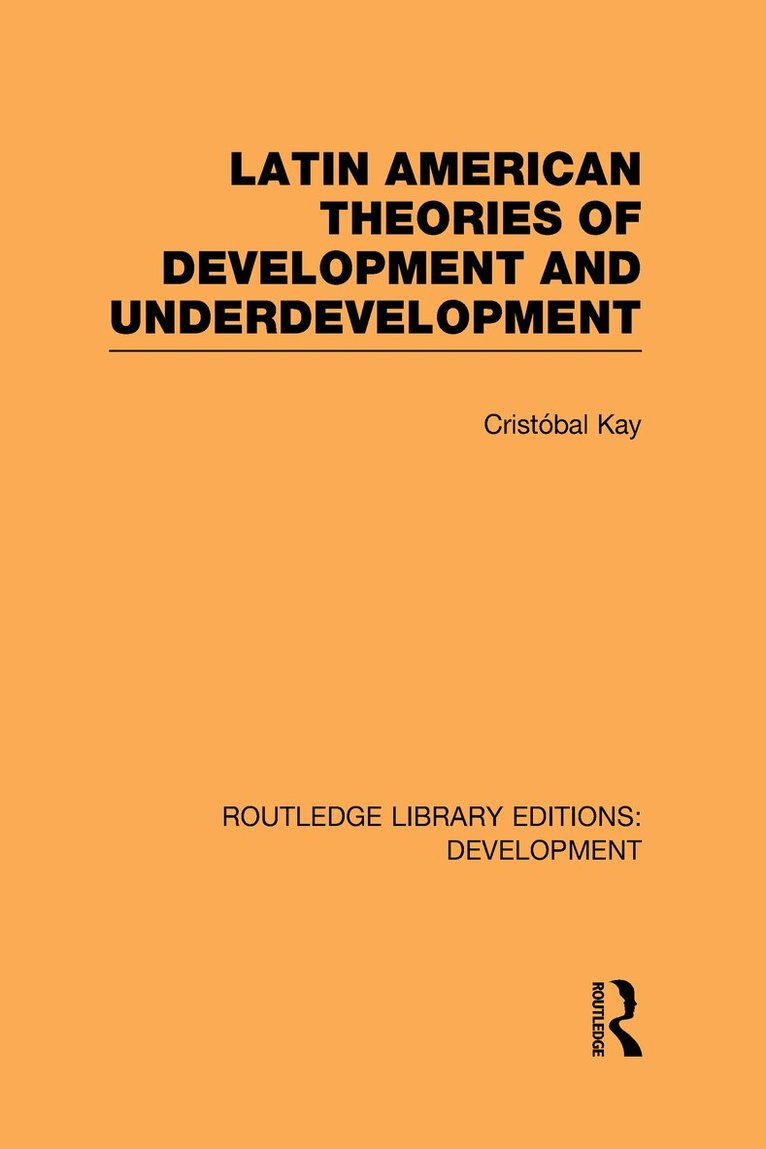
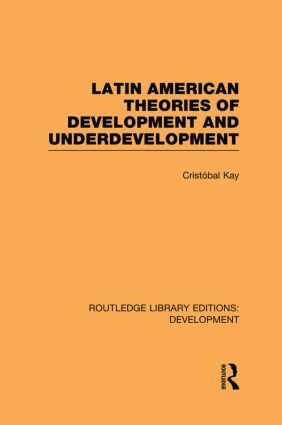
Latin American Theories of Development and Underdevelopment
Inbunden, 2010
2578 kr
Lägg i varukorg
Upon its publication in 1989, this was the first systematic and comprehensive analysis of the Latin American School of Development and an invaluable guide to the major Third World contribution to development theory. The four major strands in the work of Latin American Theorists are: structuralism, …
Latin American Theories of Development and Underdevelopment
Häftad, 2013
874 kr
Lägg i varukorg
Upon its publication in 1989, this was the first systematic and comprehensive analysis of the Latin American School of Development and an invaluable guide to the major Third World contribution to development theory. The four major strands in the work of Latin American Theorists are: structuralism, …
Peasants and Globalization
Political economy, rural transformation and the agrarian question
Av Cristobal Kay, A. Haroon Akram-Lodhi
E-bok, 2012
1106 kr
Lägg i varukorg
In 2007, for the first time in human history, a majority of the world’s population lived in cities. However, on a global scale, poverty overwhelmingly retains a rural face. This book assembles an unparalleled group of internationally-eminent scholars in the field of rural development and social …
Peasants and Globalization
Political economy, rural transformation and the agrarian question
Av Cristobal Kay, A. Haroon Akram-Lodhi
E-bok, 2012
1082 kr
Lägg i varukorg
In 2007, for the first time in human history, a majority of the world’s population lived in cities. However, on a global scale, poverty overwhelmingly retains a rural face. This book assembles an unparalleled group of internationally-eminent scholars in the field of rural development and social …
Land, Poverty and Livelihoods in an Era of Globalization
Perspectives from Developing and Transition Countries
Av Cristobal Kay, Saturnino M. Borras Jr. m. fl.
E-bok, 2007
1074 kr
Lägg i varukorg
A host of internationally eminent scholars are brought together here to explore the structural causes of rural poverty and income inequality, as well as the processes of social exclusion and political subordination encountered by the peasantry and rural workers across a wide range of countries. …
Land, Poverty and Livelihoods in an Era of Globalization
Perspectives from Developing and Transition Countries
Av Cristobal Kay, Saturnino M. Borras Jr. m. fl.
E-bok, 2007
1051 kr
Lägg i varukorg
A host of internationally eminent scholars are brought together here to explore the structural causes of rural poverty and income inequality, as well as the processes of social exclusion and political subordination encountered by the peasantry and rural workers across a wide range of countries. …
Latin America Transformed
Globalization and Modernity
Av Kay Cristobal, Robert N Gwynne m. fl.
E-bok, 2014
949 kr
Lägg i varukorg
Praise for the first edition: ''Accomplishes its task to provide readers with a broad multi-disciplinary view on globalization''s many impacts on Latin America ... the organization of the collection is logical and thoughtful, and the structural perspectives offered are convincing and powerful. I …
Latin American Theories of Development and Underdevelopment
E-bok, 2010
1034 kr
Lägg i varukorg
Upon its publication in 1989, this was the first systematic and comprehensive analysis of the Latin American School of Development and an invaluable guide to the major Third World contribution to development theory. The four major strands in the work of Latin American Theorists are: structuralism, …
Latin American Theories of Development and Underdevelopment
E-bok, 2010
1034 kr
Lägg i varukorg
Upon its publication in 1989, this was the first systematic and comprehensive analysis of the Latin American School of Development and an invaluable guide to the major Third World contribution to development theory. The four major strands in the work of Latin American Theorists are: structuralism, …
Latin America Transformed
Globalization and Modernity
Av Robert N. Gwynne, Cristobal Kay m. fl.
Inbunden, 2016
2744 kr
Lägg i varukorg
Praise for the first edition:'Accomplishes its task to provide readers with a broad multi-disciplinary view on globalization's many impacts on Latin America ... the organization of the collection is logical and thoughtful, and the structural perspectives offered are convincing and powerful. I …
Market-Led Agrarian Reform
Av Edward Lahiff, Cristobal Kay m. fl.
E-bok, 2013
589 kr
Lägg i varukorg
Three-fourths of the world’s poor are rural poor. Most of the rural poor remain dependent on land-based livelihoods for their incomes and reproduction despite significant livelihood diversification in recent years. Land issue remains critical to any development discourse today. Market-led …
Market-Led Agrarian Reform
Av Edward Lahiff, Cristobal Kay m. fl.
E-bok, 2013
607 kr
Lägg i varukorg
Three-fourths of the world’s poor are rural poor. Most of the rural poor remain dependent on land-based livelihoods for their incomes and reproduction despite significant livelihood diversification in recent years. Land issue remains critical to any development discourse today. Market-led …
Labour and Development in Rural Cuba
Av Peter Peek, Cristobal Kay m. fl.
E-bok, 1988
553 kr
Lägg i varukorg
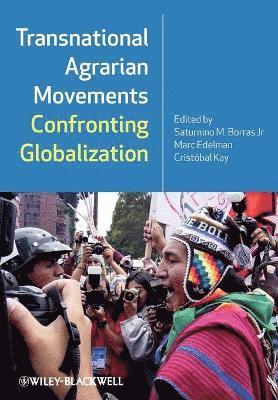
Transnational Agrarian Movements Confronting Globalization
Av Saturnino M. Borras Jr., Marc Edelman m. fl.
Häftad, 2008
297 kr
Lägg i varukorg
Readers of this book will encounter peasants and farmers who struggle at home and traverse national borders to challenge the World Trade Organization and other powerful global institutions. Studies the activists in Brazil who uproot plots of genetically modified soybeans, forest dwellers in …
Latin America Transformed
Globalization and Modernity
Av Kay Cristobal, Robert N Gwynne m. fl.
E-bok, 2014
942 kr
Lägg i varukorg
Praise for the first edition: ''Accomplishes its task to provide readers with a broad multi-disciplinary view on globalization''s many impacts on Latin America ... the organization of the collection is logical and thoughtful, and the structural perspectives offered are convincing and powerful. I …
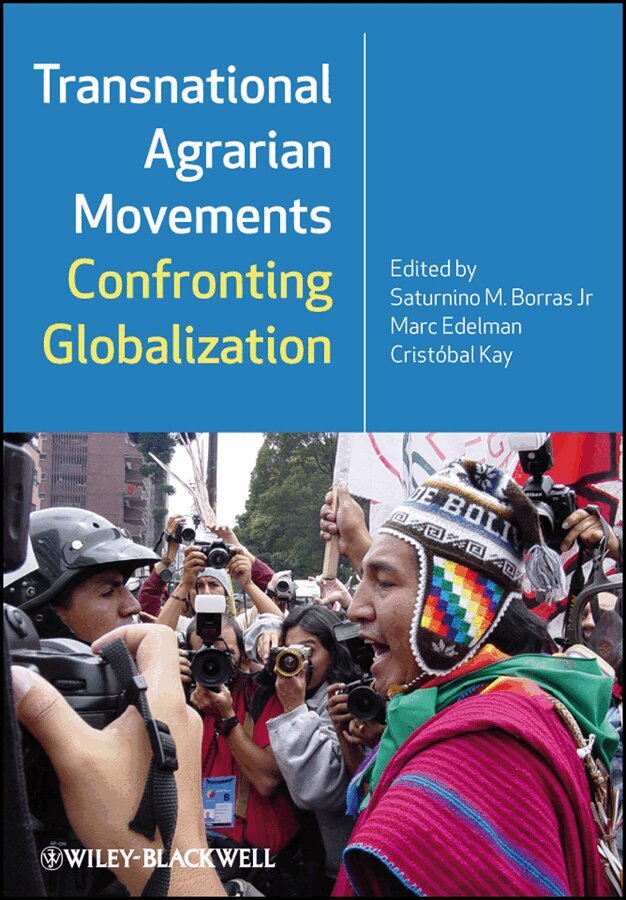
Transnational Agrarian Movements Confronting Globalization
Av Saturnino M. Borras Jr., Marc Edelman m. fl.
2009
337 kr
Tillfälligt slut
Readers of this book will encounter peasants and farmers who struggle at home and traverse national borders to challenge the World Trade Organization and other powerful global institutions. Studies the activists in Brazil who uproot plots of genetically modified soybeans, forest dwellers in …