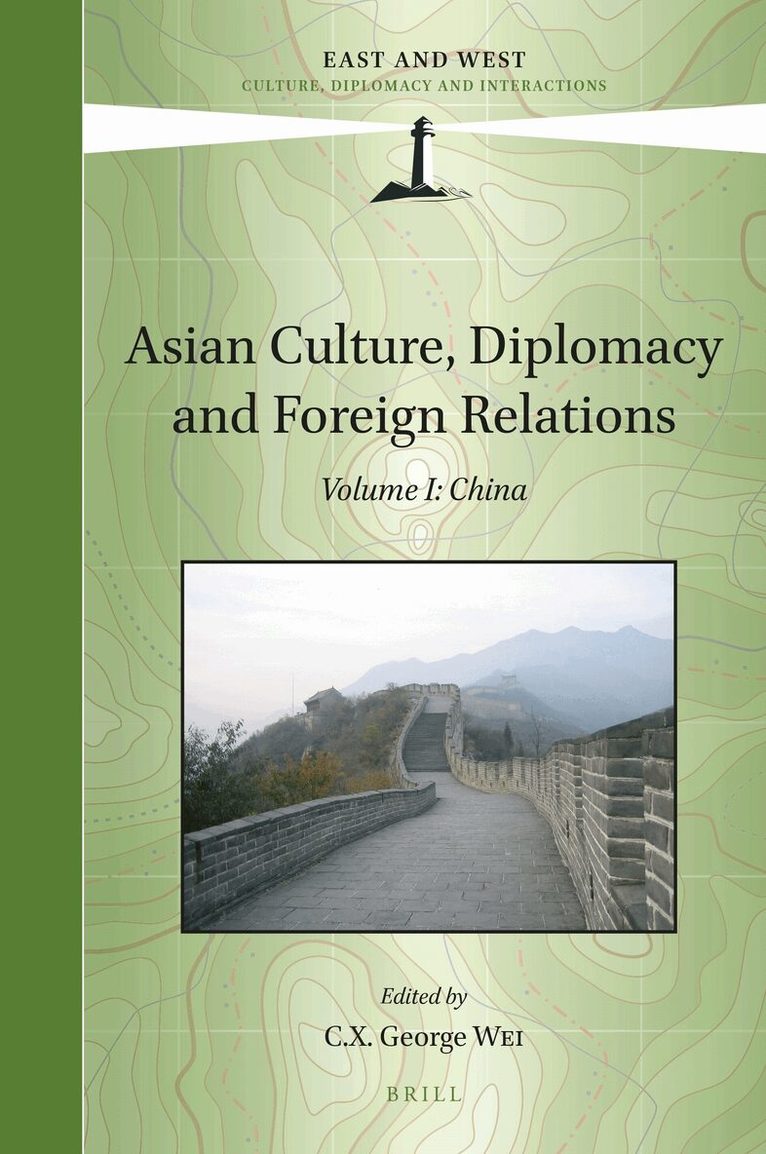
C.X. George Wei – författare
2 320 kr
Skickas inom 10-15 vardagar
2 252 kr
Skickas inom 10-15 vardagar
2 320 kr
Skickas inom 10-15 vardagar
1 160 kr
Läs direkt efter köp
751 kr
Skickas inom 10-15 vardagar
826 kr
Läs direkt efter köp
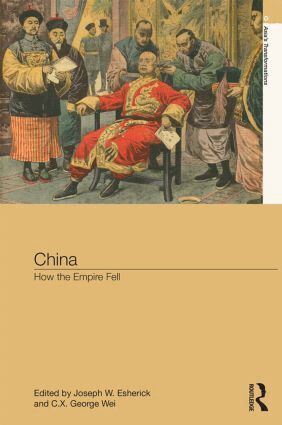
The Qing dynasty was China’s last, and it created an empire of unprecedented size and prosperity. However in 1911 the empire collapsed within a few short months, and China embarked on a revolutionary course that lasted through most of the twentieth century. The 1911 Revolution ended two millennia of imperial rule and established the Republic of China, but dissatisfaction with the early republic fuelled further revolutionary movements, each intended to be more thoroughgoing than the last, from the National Revolution of the 1920s, to the Communist Revolution, and finally the Cultural Revolution.
On the centenary of the 1911 Revolution, Chinese scholars debated the causes and significance of the empire’s collapse, and this book presents twelve of the most important contributions. Rather than focusing on Sun Yat-sen’s relatively weak and divided revolutionary movement, as much previous scholarship has, these studies examine the internal dynamics of political and socio-economic change in China. The chapters reveal how reforms in education, army organization, and constitutional rule created new social forces and political movements that undermined dynastic legitimacy within China and on its frontiers. Through detailed analyses, using new archival, memoir, diary, and newspaper sources, the authors cast new light on the sudden collapse of an empire that many thought was at last embarked on a road to reform and national rejuvenation.
China: How the Empire Fell will be of huge interest to students and scholars of modern Chinese history as well as those of contemporary China.
819 kr
Läs direkt efter köp
The Qing dynasty was China’s last, and it created an empire of unprecedented size and prosperity. However in 1911 the empire collapsed within a few short months, and China embarked on a revolutionary course that lasted through most of the twentieth century. The 1911 Revolution ended two millennia of imperial rule and established the Republic of China, but dissatisfaction with the early republic fuelled further revolutionary movements, each intended to be more thoroughgoing than the last, from the National Revolution of the 1920s, to the Communist Revolution, and finally the Cultural Revolution.
On the centenary of the 1911 Revolution, Chinese scholars debated the causes and significance of the empire’s collapse, and this book presents twelve of the most important contributions. Rather than focusing on Sun Yat-sen’s relatively weak and divided revolutionary movement, as much previous scholarship has, these studies examine the internal dynamics of political and socio-economic change in China. The chapters reveal how reforms in education, army organization, and constitutional rule created new social forces and political movements that undermined dynastic legitimacy within China and on its frontiers. Through detailed analyses, using new archival, memoir, diary, and newspaper sources, the authors cast new light on the sudden collapse of an empire that many thought was at last embarked on a road to reform and national rejuvenation.
China: How the Empire Fell will be of huge interest to students and scholars of modern Chinese history as well as those of contemporary China.
892 kr
Läs direkt efter köp
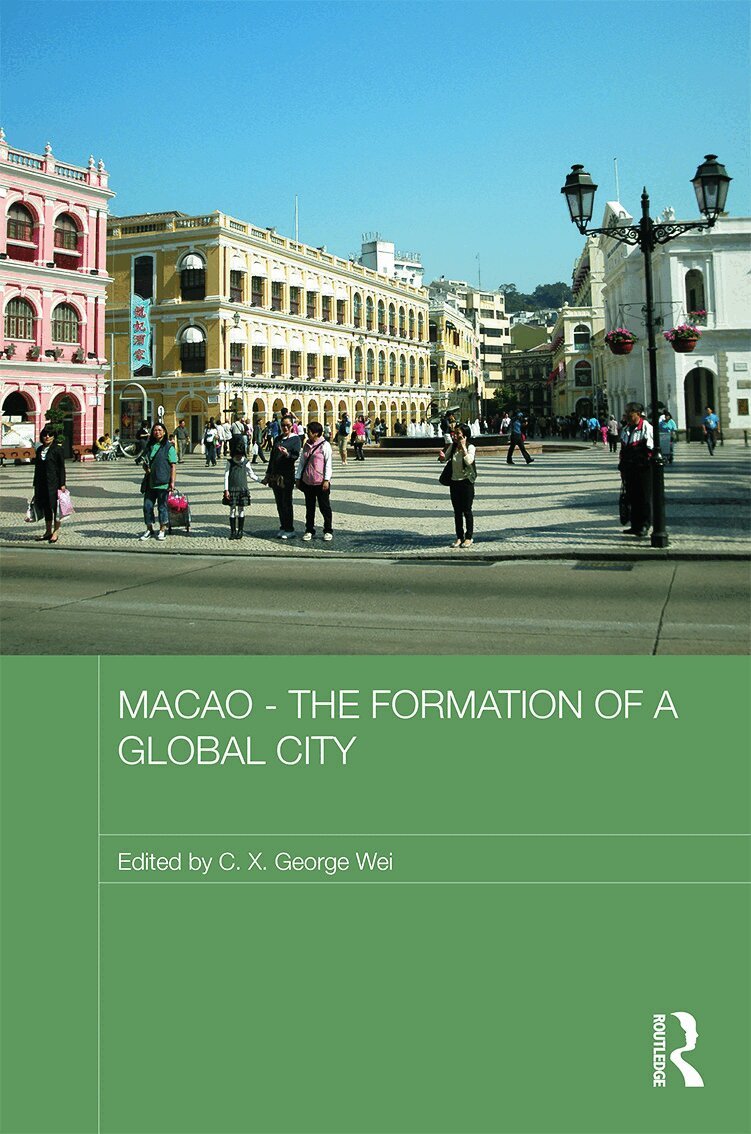
Macao, the former Portuguese colony in southeast China, has a long and very interesting history of cultural interaction between China and the West. Held by the Portuguese from the 1550s until its return to China in 1999, Macao was up to the emergence of Hong Kong in the later nineteenth century the principal point of entry into China for all Westerners - Dutch, British and others, as well as Portuguese. The relatively relaxed nature of Portuguese colonial rule, intermarriage, the mixing of Chinese and Western cultures, and the fact that Macao served as a safe haven for many Chinese reformers at odds with the Chinese authorities, including Sun Yat-sen, all combined to make Macao a very different and special place. This book explores how Macao was formed over the centuries. It puts forward substantial new research findings and new thinking, and covers a wide range of issues. It is a companion volume to Macao - Cultural Interaction and Literary Representations.
892 kr
Läs direkt efter köp
Macao, the former Portuguese colony in southeast China, has a long and very interesting history of cultural interaction between China and the West. Held by the Portuguese from the 1550s until its return to China in 1999, Macao was up to the emergence of Hong Kong in the later nineteenth century the principal point of entry into China for all Westerners - Dutch, British and others, as well as Portuguese. The relatively relaxed nature of Portuguese colonial rule, intermarriage, the mixing of Chinese and Western cultures, and the fact that Macao served as a safe haven for many Chinese reformers at odds with the Chinese authorities, including Sun Yat-sen, all combined to make Macao a very different and special place. This book explores how Macao was formed over the centuries. It puts forward substantial new research findings and new thinking, and covers a wide range of issues. It is a companion volume to Macao - Cultural Interaction and Literary Representations.
868 kr
Läs direkt efter köp
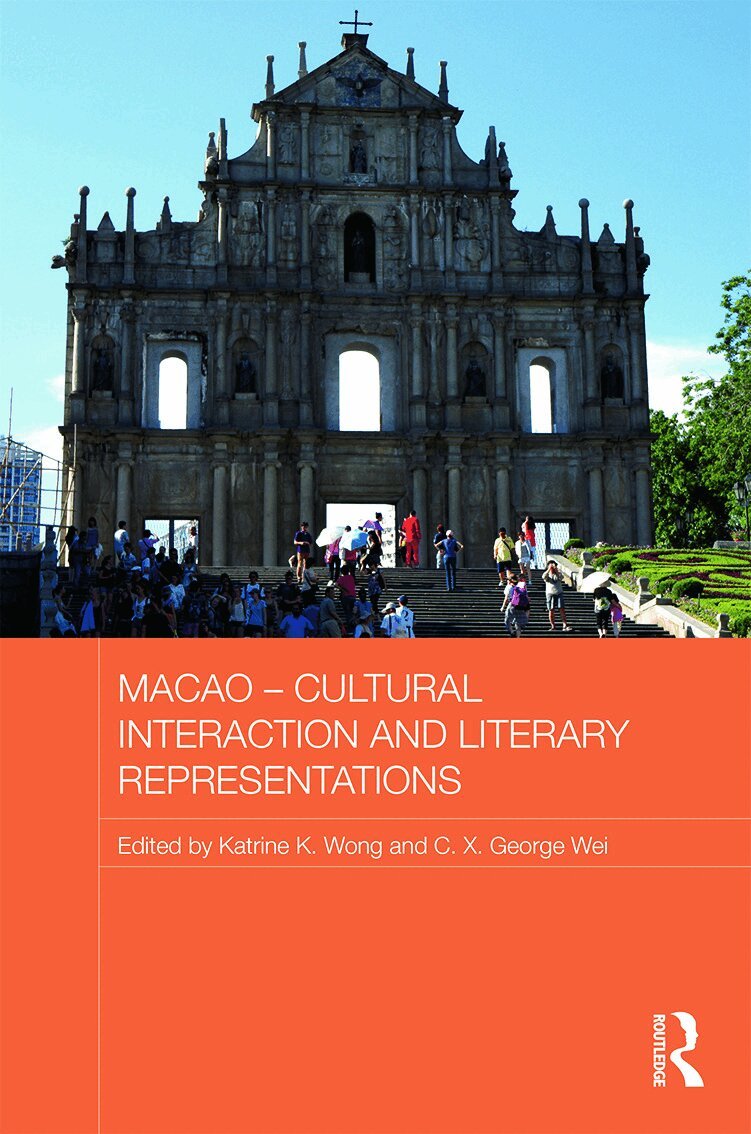
Macao, the former Portuguese colony in southeast China from the 1550s until its return to China in 1999, has a long and very interesting history of cultural interaction between China and the West. As an entity with independent political power and a unique social setting and cultural development, the identity of Macao’s people is not only indicative of the legacy and influence of the region’s socio-historical factors and forces, but it has also been altered, transformed and maintained because of the input, action, interaction and stimulation of creative arts and literatures. Held together by racial accommodation and tolerance and active cultural interactions, Macao’s phenomenon can be characterized as hybridization. This book is a presentation of the ongoing hybridization of Macao and is in itself a hybrid, covering a wide range of issues. Putting forward substantial new research findings, the book explores the nature of cultural interaction in Macao, and how the city has been constructed and perceived through literature and other art forms. It is a companion volume to Macao – The Formation of a Global City .
860 kr
Läs direkt efter köp
Macao, the former Portuguese colony in southeast China from the 1550s until its return to China in 1999, has a long and very interesting history of cultural interaction between China and the West. As an entity with independent political power and a unique social setting and cultural development, the identity of Macao’s people is not only indicative of the legacy and influence of the region’s socio-historical factors and forces, but it has also been altered, transformed and maintained because of the input, action, interaction and stimulation of creative arts and literatures. Held together by racial accommodation and tolerance and active cultural interactions, Macao’s phenomenon can be characterized as hybridization. This book is a presentation of the ongoing hybridization of Macao and is in itself a hybrid, covering a wide range of issues. Putting forward substantial new research findings, the book explores the nature of cultural interaction in Macao, and how the city has been constructed and perceived through literature and other art forms. It is a companion volume to Macao – The Formation of a Global City .
715 kr
Skickas inom 10-15 vardagar
802 kr
Skickas inom 10-15 vardagar
Asian Culture, Diplomacy and Foreign Relations, Volume I
China
2 115 kr
Skickas inom 5-8 vardagar