Cynthia A. Oster – författare
Visar alla böcker från författaren Cynthia A. Oster. Handla med fri frakt och snabb leverans.
10 produkter
10 produkter
E-bok
PDF, Engelska, 2025668 kr
Läs direkt efter köp
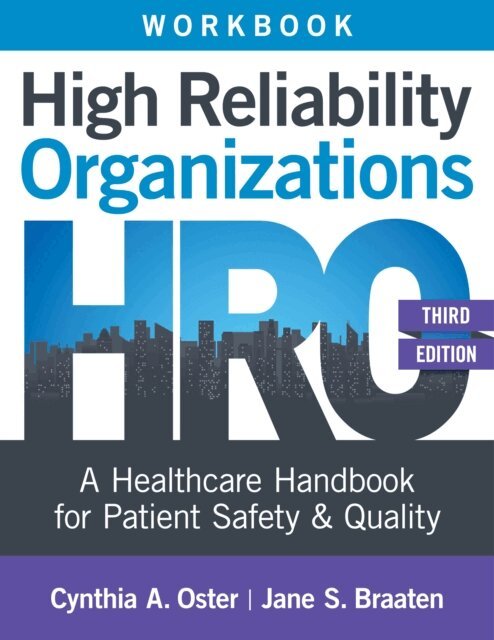
As a student in a healthcare profession, you have probably heard of the concept of high reliability as a means to reduce harm, enhance quality, and improve outcomes. This Workbook-a companion resource for learners using the primary textbook High Reliability Organizations: A Healthcare Handbook for Patient Safety & Quality, Third Edition-helps bring high reliability concepts to life. For this new edition, the Workbook has been developed for learners to use in a variety of academic settings in courses focused on patient safety or quality management in nursing, health services administration, and clinical programs, providing learning activities that relate to each chapter in the textbook. These activities explain the concepts of high reliability and high reliability organizations (HROs), including examples of what the concepts look like in everyday practice and describing the information and tools nurses and other healthcare providers need for the organization to become an HRO. About the textbook: High Reliability Organizations: A Healthcare Handbook for Patient Safety & Quality, Third Edition, equips nurses and healthcare professionals with the tools necessary to establish an error detection and prevention system. In this new edition, authors Cynthia A. Oster and Jane S. Braaten build on the foundation of previous editions with best practices, relevant exemplars, and important discussions about cultural aspects essential to sustainability solidifying process improvements and highlighting the contributing factors that lead to enhanced outcomes.
E-bok
PDF, Engelska, 2025674 kr
Läs direkt efter köp
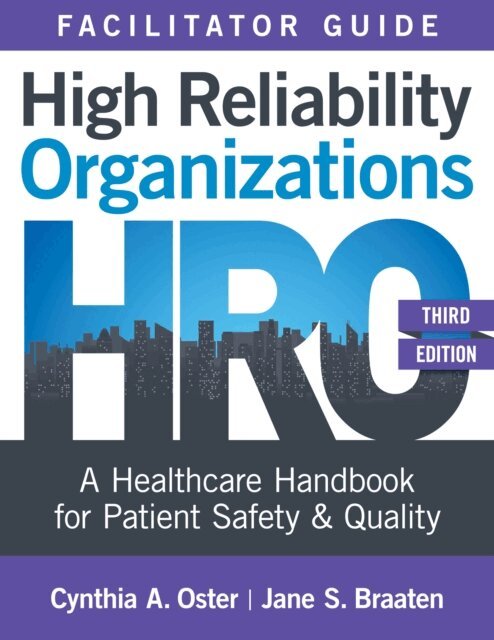
This Facilitator Guide is designed to be a companion resource for educators using High Reliability Organizations: A Healthcare Handbook for Patient Safety & Quality, Third Edition. For this edition, authors Cynthia A. Oster and Jane S. Braaten have developed this guide for educators to use in a variety of academic settings in courses focused on patient safety or quality management in nursing, health services administration, and clinical programs. The Facilitator Guide is divided into three sections: Unit 1: Using the Textbook for Teaching and Learning Unit 2: Resources for Teaching High Reliability for Patient Safety and Quality Unit 3: Chapter Learning Activities and Facilitator Support About the textbook: High Reliability Organizations: A Healthcare Handbook for Patient Safety & Quality, Third Edition, equips nurses and healthcare professionals with the tools necessary to establish an error detection and prevention system. In this new edition, authors Cynthia A. Oster and Jane S. Braaten build on the foundation of previous editions with best practices, relevant exemplars, and important discussions about cultural aspects essential to sustainability solidifying process improvements and highlighting the contributing factors that lead to enhanced outcomes.
Häftad, Engelska, 2025
428 kr
Skickas inom 5-8 vardagar
Häftad, Engelska, 2025
434 kr
Skickas inom 5-8 vardagar
Häftad, Engelska, 2025
786 kr
Skickas inom 5-8 vardagar
E-bok
Engelska, 20251 252 kr
Läs direkt efter köp
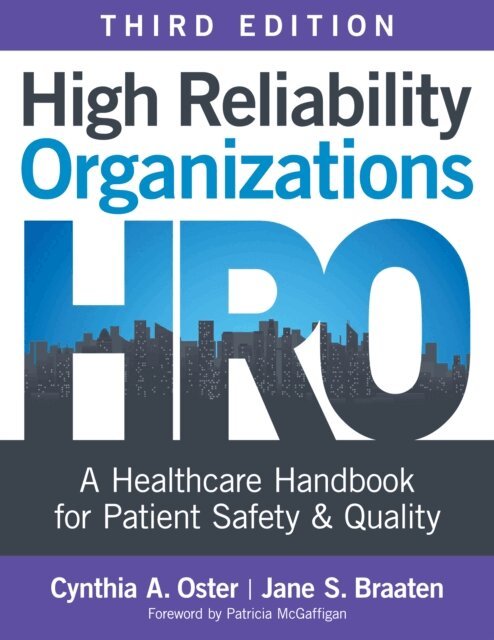
Patient safety and quality of care are critical concerns of healthcare consumers, payers, providers, organizations, health systems, and governments. Evidence shows that high reliability methods enable the most efficient, safe, and effective care; however, these methods are not the standard in all healthcare systems. Nurses-who are on the front line of providing safe and effective care-are ideally situated to drive high reliability. High Reliability Organizations: A Healthcare Handbook for Patient Safety & Quality, Third Edition, equips nurses and healthcare professionals with the tools necessary to establish an error detection and prevention system. In this new edition, authors Cynthia A. Oster and Jane S. Braaten build on the foundation of previous editions with best practices, relevant exemplars, and important discussions about cultural aspects essential to sustainability solidifying process improvements and highlighting the contributing factors that lead to enhanced outcomes.
E-bok
PDF, Engelska, 20251 252 kr
Läs direkt efter köp
Patient safety and quality of care are critical concerns of healthcare consumers, payers, providers, organizations, health systems, and governments. Evidence shows that high reliability methods enable the most efficient, safe, and effective care; however, these methods are not the standard in all healthcare systems. Nurses-who are on the front line of providing safe and effective care-are ideally situated to drive high reliability. High Reliability Organizations: A Healthcare Handbook for Patient Safety & Quality, Third Edition, equips nurses and healthcare professionals with the tools necessary to establish an error detection and prevention system. In this new edition, authors Cynthia A. Oster and Jane S. Braaten build on the foundation of previous editions with best practices, relevant exemplars, and important discussions about cultural aspects essential to sustainability solidifying process improvements and highlighting the contributing factors that lead to enhanced outcomes.
Inbunden, Engelska, 2025
1 184 kr
Skickas inom 5-8 vardagar
Häftad, Engelska, 2024
790 kr
Skickas inom 10-15 vardagar
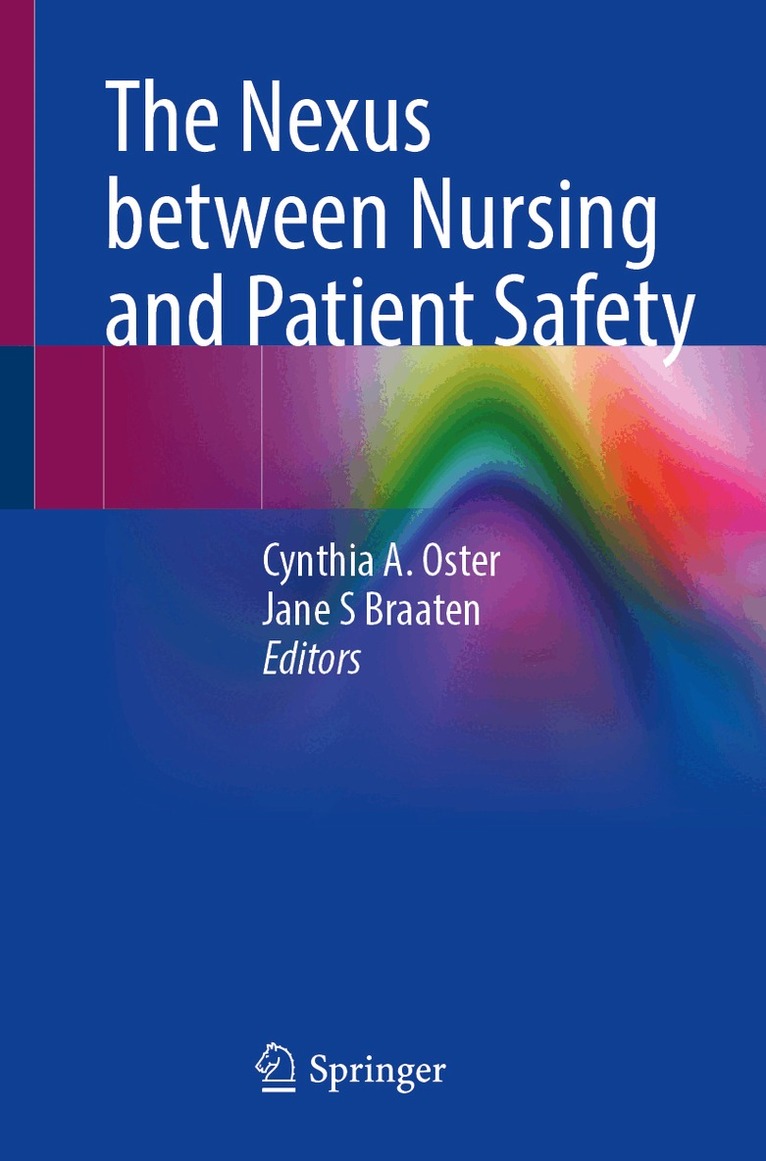
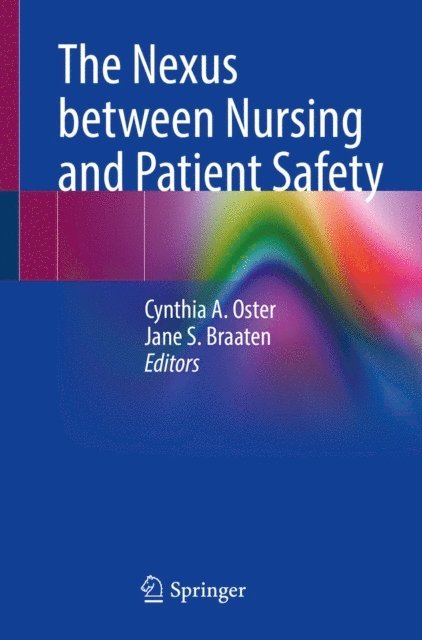
The aim of this unique book is to discuss the “nexus” or vital connection between nursing and prevention of harm to patients. The meaning of “nexus” is connection and connotes a most central or most important point in time or place. Now, is the most important time to highlight how nurses as leaders affect patient safety every minute of every day in the current nursing practice environment. The contemporary safety literature messages nursing adherence to principles of patient safety is required to achieve sustainable and safer healthcare systems; meaning nurses should detect and prevent errors. This message is not helpful to nurses as they strive to lead, understand what patient safety is and how to implement safety strategies in the practice environment. The book will address this gap by providing nurses an understanding of patient safety and application of its concepts to clinical nursing practice. The book is structured as four parts: Part I provides foundations of patient safety; Part II describes nursing’s role in patient safety; Part III illustrates patient safety at the frontline; and Part IV explains resilience, healing and moving forward. Practical case study examples with implementation strategies (how to) will be provided that highlight key safety practices inherent to nursing that prevent patient harm including effective monitoring, leadership, communication, identification of near misses, and learning from error along with cultural and organizational factors that promote and maintain safety activities by nursing.Nurses produce safety by providing a strong layer of defence between error and patient harm. The discipline of nursing is the cornerstone of safety in the complex place of healthcare. The intended audience is front line nursing staff; nurse leaders; nurses working in quality, patient safety and risk management; advance practice nurses and nurse educators. The professional nurse who reads this book will read with the desire to learn more about the connection of nursing, nursing practice and patient safety.
E-bok
Engelska, 2024944 kr
Läs direkt efter köp
The aim of this unique book is to discuss the “nexus” or vital connection between nursing and prevention of harm to patients. The meaning of “nexus” is connection and connotes a most central or most important point in time or place. Now, is the most important time to highlight how nurses as leaders affect patient safety every minute of every day in the current nursing practice environment. The contemporary safety literature messages nursing adherence to principles of patient safety is required to achieve sustainable and safer healthcare systems; meaning nurses should detect and prevent errors. This message is not helpful to nurses as they strive to lead, understand what patient safety is and how to implement safety strategies in the practice environment. The book will address this gap by providing nurses an understanding of patient safety and application of its concepts to clinical nursing practice. The book is structured as four parts: Part I provides foundations of patient safety; Part II describes nursing’s role in patient safety; Part III illustrates patient safety at the frontline; and Part IV explains resilience, healing and moving forward. Practical case study examples with implementation strategies (how to) will be provided that highlight key safety practices inherent to nursing that prevent patient harm including effective monitoring, leadership, communication, identification of near misses, and learning from error along with cultural and organizational factors that promote and maintain safety activities by nursing.Nurses produce safety by providing a strong layer of defence between error and patient harm. The discipline of nursing is the cornerstone of safety in the complex place of healthcare. The intended audience is front line nursing staff; nurse leaders; nurses working in quality, patient safety and risk management; advance practice nurses and nurse educators. The professional nurse who reads this book will read with the desire to learn more about the connection of nursing, nursing practice and patient safety.