Cynthia Schmidt-Cruz – författare
Visar alla böcker från författaren Cynthia Schmidt-Cruz. Handla med fri frakt och snabb leverans.
4 produkter
4 produkter
Häftad, Engelska, 2006
500 kr
Skickas inom 5-8 vardagar
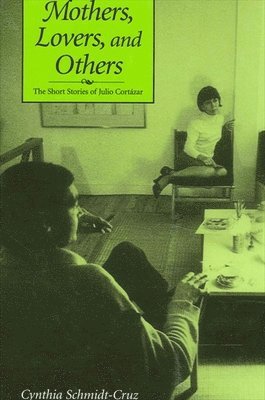
Provocative reappraisal of the portrayal of women in Julio Cortázar's short stories.Using feminist revisions of psychoanalytic thought and cultural studies, Mothers, Lovers, and Others examines the pervasive role of the conception of the feminine in the short stories of Argentine writer Julio Cortázar (1914–1984). Contending that his obsession with the mother is the source of Cortázar's uneasiness with femininity, Cynthia Schmidt-Cruz traces an evolution in his relationship to female space, from a convoluted and defensive posture to a more open and tolerant stance, paralleling his increasing political commitment. Schmidt-Cruz explores the role of gender in Cortázar's quest to reconcile his divided allegiance to Argentina and France, and his denunciation of the atrocities of the Argentine military dictatorship.
Häftad, Engelska, 2020
526 kr
Skickas inom 5-8 vardagar
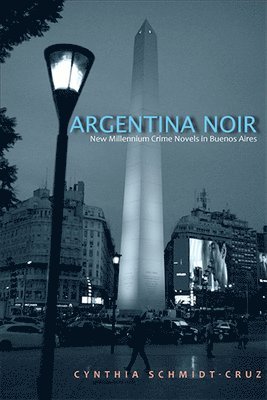
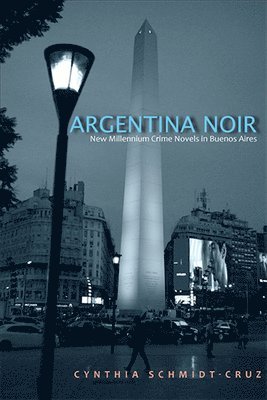
An engaging and insightful guide to Argentine crime fiction since 2000.Argentina Noir offers a guide to Argentine crime fiction, with a focus on works published since the year 2000. It argues that the novela negra, or crime novel, has become the favored genre for many writers to address the social malaise brought about by changes linked to globalization and market-driven economic policies. Cynthia Schmidt-Cruz presents close readings and original interpretations of eleven novels, all set in or around Buenos Aires, and explores the ways these texts adapt major motifs, figures, and literary techniques in Hispanic crime fiction in order to give voice to wide-ranging social critiques. Schmidt-Cruz addresses such topics as organized crime and institutional complicity, corruption during the presidency of Carlos Menem (1989–1999), terrorist attacks on Jewish institutions in Buenos Aires and the mysterious death of Alberto Nisman, and the winners and the losers of neoliberal structural changes. With a solid underpinning in sociological studies and criticism of the genre and its historical context, Argentina Noir reveals how these novels are renovating the genre to engage pressing issues confronting not only Argentina but also countries throughout Latin America and around the globe.
Inbunden, Engelska, 2003
1 209 kr
Tillfälligt slut
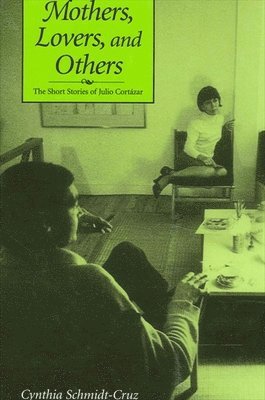
Provocative reappraisal of the portrayal of women in Julio Cortázar's short stories.Using feminist revisions of psychoanalytic thought and cultural studies, Mothers, Lovers, and Others examines the pervasive role of the conception of the feminine in the short stories of Argentine writer Julio Cortázar (1914–1984). Contending that his obsession with the mother is the source of Cortázar's uneasiness with femininity, Cynthia Schmidt-Cruz traces an evolution in his relationship to female space, from a convoluted and defensive posture to a more open and tolerant stance, paralleling his increasing political commitment. Schmidt-Cruz explores the role of gender in Cortázar's quest to reconcile his divided allegiance to Argentina and France, and his denunciation of the atrocities of the Argentine military dictatorship.
Inbunden, Engelska, 2019
1 198 kr
Tillfälligt slut
An engaging and insightful guide to Argentine crime fiction since 2000.Argentina Noir offers a guide to Argentine crime fiction, with a focus on works published since the year 2000. It argues that the novela negra, or crime novel, has become the favored genre for many writers to address the social malaise brought about by changes linked to globalization and market-driven economic policies. Cynthia Schmidt-Cruz presents close readings and original interpretations of eleven novels, all set in or around Buenos Aires, and explores the ways these texts adapt major motifs, figures, and literary techniques in Hispanic crime fiction in order to give voice to wide-ranging social critiques. Schmidt-Cruz addresses such topics as organized crime and institutional complicity, corruption during the presidency of Carlos Menem (1989–1999), terrorist attacks on Jewish institutions in Buenos Aires and the mysterious death of Alberto Nisman, and the winners and the losers of neoliberal structural changes. With a solid underpinning in sociological studies and criticism of the genre and its historical context, Argentina Noir reveals how these novels are renovating the genre to engage pressing issues confronting not only Argentina but also countries throughout Latin America and around the globe.