Cyril Cordoba – författare
Visar alla böcker från författaren Cyril Cordoba. Handla med fri frakt och snabb leverans.
4 produkter
China-Swiss Relations during the Cold War, 1949-1989
Between Soft Power and Propaganda
E-bok, 2022
796 kr
Lägg i varukorg
During the Cold War, Switzerland functioned as a hub for Chinese propaganda networks. Despite its fierce anti-communism, the Swiss Confederation was one of the first capitalist countries to recognise the People''s Republic of China (PRC). As a neutral country and as the home base for many …
China-Swiss Relations during the Cold War, 1949-1989
Between Soft Power and Propaganda
E-bok, 2022
796 kr
Lägg i varukorg
During the Cold War, Switzerland functioned as a hub for Chinese propaganda networks. Despite its fierce anti-communism, the Swiss Confederation was one of the first capitalist countries to recognise the People''s Republic of China (PRC). As a neutral country and as the home base for many …
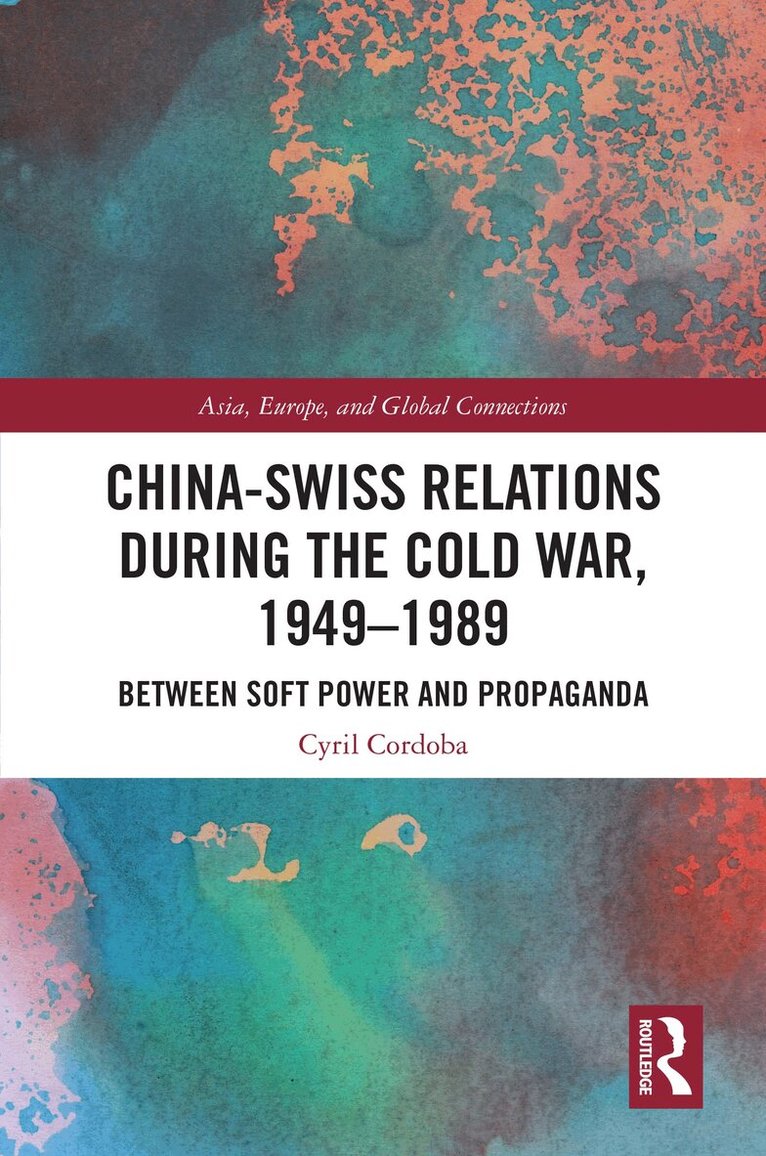
China-Swiss Relations during the Cold War, 1949–1989
Between Soft Power and Propaganda
Inbunden, 2022
2586 kr
Lägg i varukorg
During the Cold War, Switzerland functioned as a hub for Chinese propaganda networks. Despite its fierce anti-communism, the Swiss Confederation was one of the first capitalist countries to recognise the People's Republic of China (PRC). As a neutral country and as the home base for many …
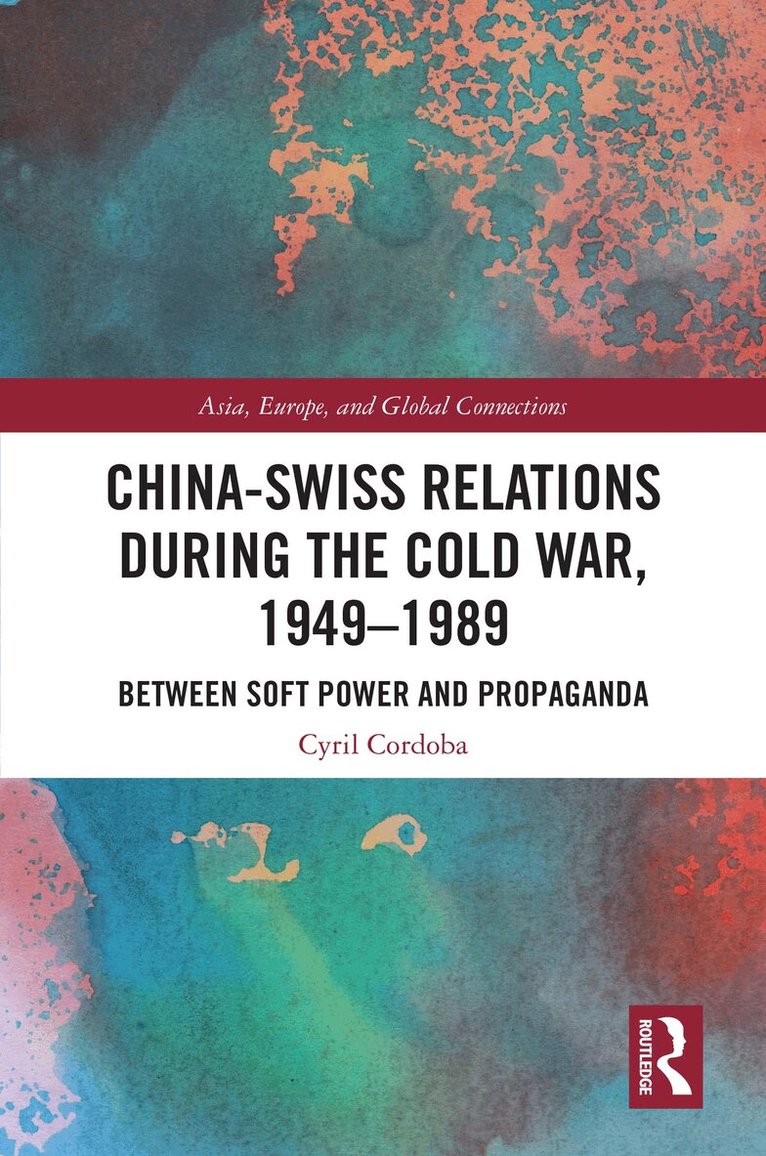
China-Swiss Relations during the Cold War, 1949–1989
Between Soft Power and Propaganda
Häftad, 2024
691 kr
Lägg i varukorg
During the Cold War, Switzerland functioned as a hub for Chinese propaganda networks. Despite its fierce anti-communism, the Swiss Confederation was one of the first capitalist countries to recognise the People's Republic of China (PRC). As a neutral country and as the home base for many …