D. Corydon Hammond - Böcker
Visar alla böcker från författaren D. Corydon Hammond. Handla med fri frakt och snabb leverans.
3 produkter
3 produkter
922 kr
Skickas inom 7-10 vardagar
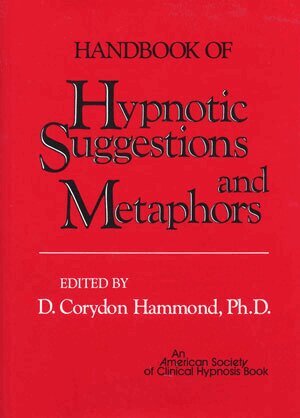
A book to be savored and referred to time and again, this handbook will become a dog-eared resource for the clinician using hypnosis.
935 kr
Skickas inom 3-6 vardagar
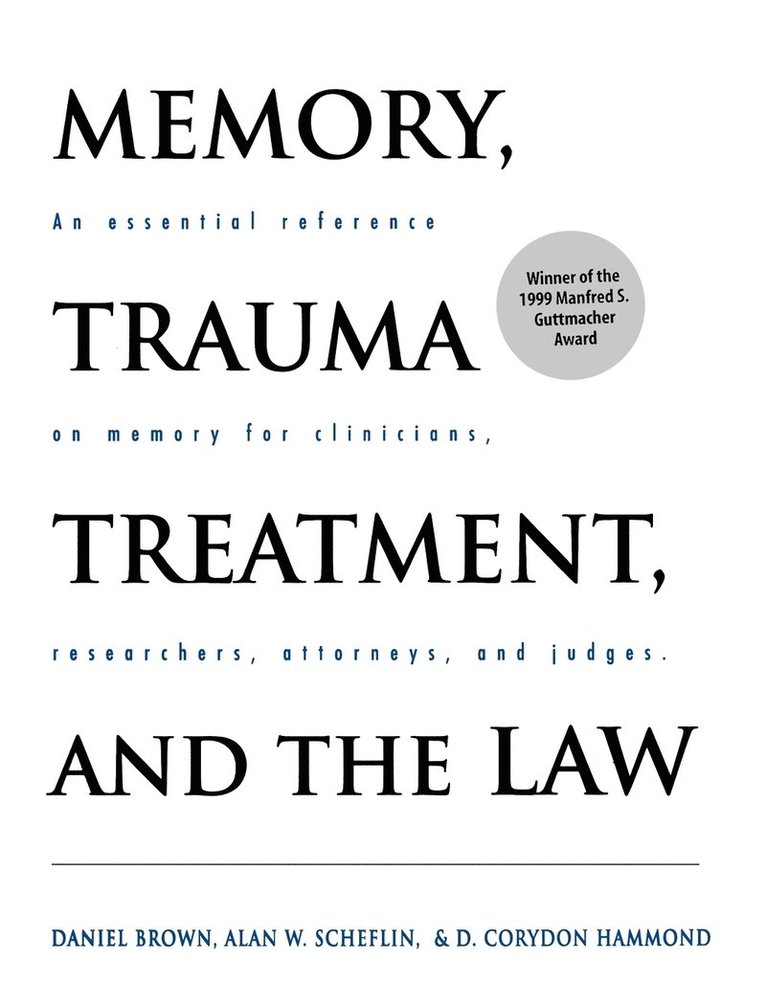
The authors critically review memory research, trauma treatment, and legal cases pertaining to the false memory controversy. They discuss current memory science and research with both children and adults, pointing out where findings are and are not generalizable to trauma memories recovered in psychotherapy. The main issues in the recovered memory debate are covered, as well as research on emotion and memory, autobiographical memory, flashbulb memory, memory for trauma, and types of suggestions, such as misinformation suggestions, social persuasion, interrogatory suggestions, and brainwashing. Research on the reliability of memories recovered in hypnosis is reviewed and guidelines for using hypnosis with patients reporting no, partial, or full memory of having been sexually abused are outlined.The authors review the development and current practice of phase-oriented trauma treatment and present a standard of care that is effective and ethical. Their exploration of memory in the legal context includes a review of malpractice liability and current malpractice cases for allegedly implanting false memories in therapy, as well as the evolving law around legal actions by people who have recovered memories and around hypnosis and memory recovery.This is an essential reference on memory for all clinicians, researchers, attorneys, and judges.
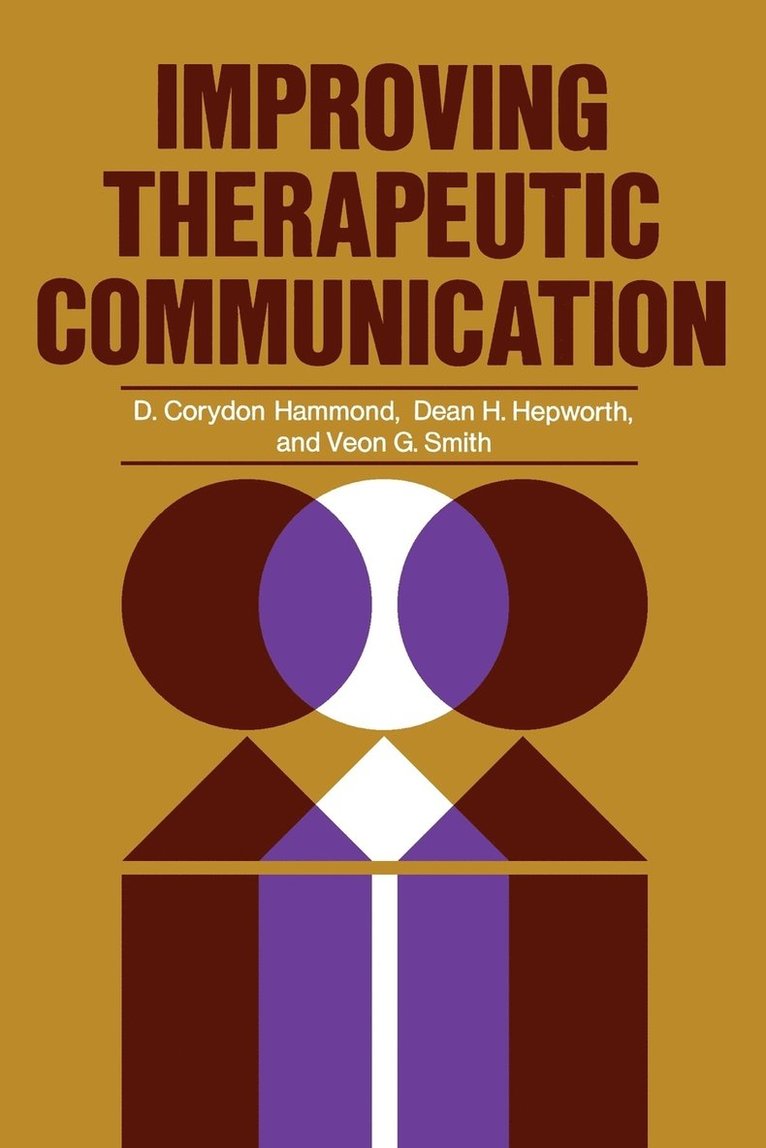
Improving Therapeutic Communication
A Guide for Developing Effective Techniques
Häftad, Engelska, 2002
569 kr
Skickas inom 7-10 vardagar
Throughout the book, the authors focus on the basic skills thatfacilitate communications in therapy (empathy, respect,authenticity, relating in the here-and-now, and confrontation) andexplore specific methods of using them. These skills--whichresearch shows are crucial to effective therapy--enable therapistsand counselors to* Empathize in a caring way with the feelings of clients* Become receptive to clients in a warm, respectful, andnonjudgmental way* Constructively share feelings with clients in a natural, openmanner* Therapeutically utilize moment-to-moment, here-and-nowinteraction* Make clients aware of their inconsistencies and discrepancieswithout arousing antagonism or defensiveness