D. M. Hadley – författare
Visar alla böcker från författaren D. M. Hadley. Handla med fri frakt och snabb leverans.
3 produkter
3 produkter
E-bok
Engelska, 2021123 kr
Läs direkt efter köp
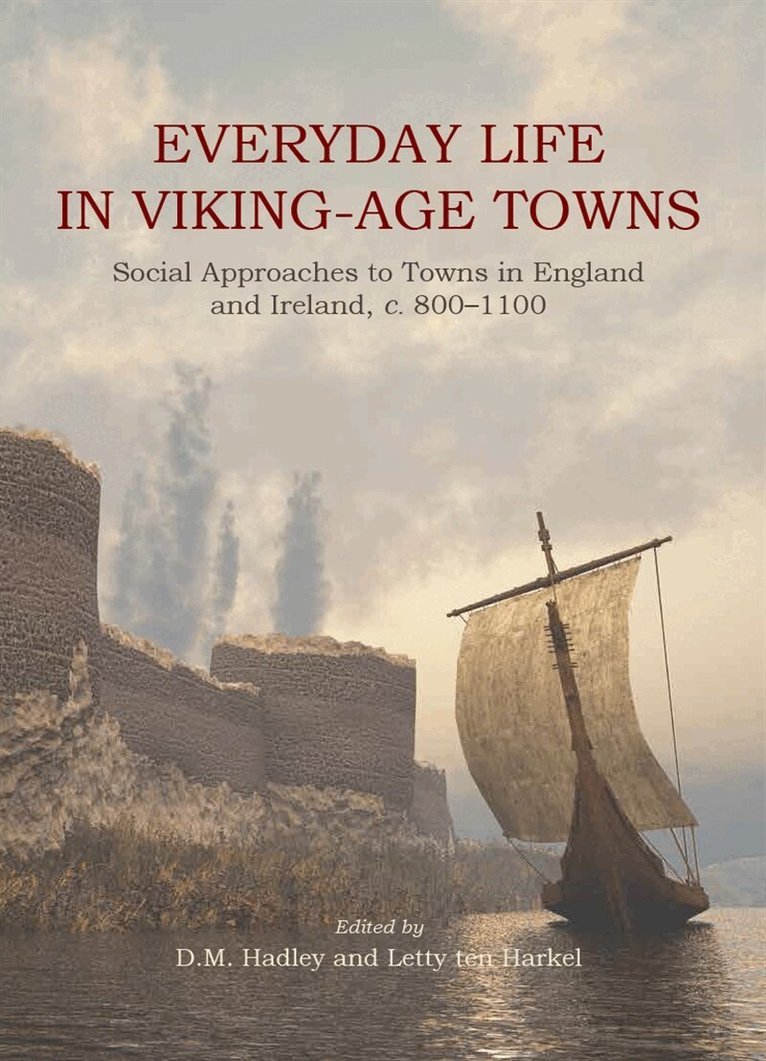
The study of early medieval towns has frequently concentrated on urban beginnings, the search for broadly applicable definitions of urban characteristics and the chronological development of towns. Far less attention has been paid to the experience of living in towns.The thirteen chapters in this book bring together the current state of knowledge about Viking-Age towns (c. 800–1100) from both sides of the Irish Sea, focusing on everyday life in and around these emerging settlements. What was it really like to grow up, live, and die in these towns? What did people eat, what did they wear, and how did they make a living for themselves? Although historical sources are addressed, the emphasis of the volume is overwhelmingly archaeological, paying homage to the wealth of new material that has become available since the advent of urban archaeology in the 1960s.
E-bok
Engelska, 2021123 kr
Läs direkt efter köp
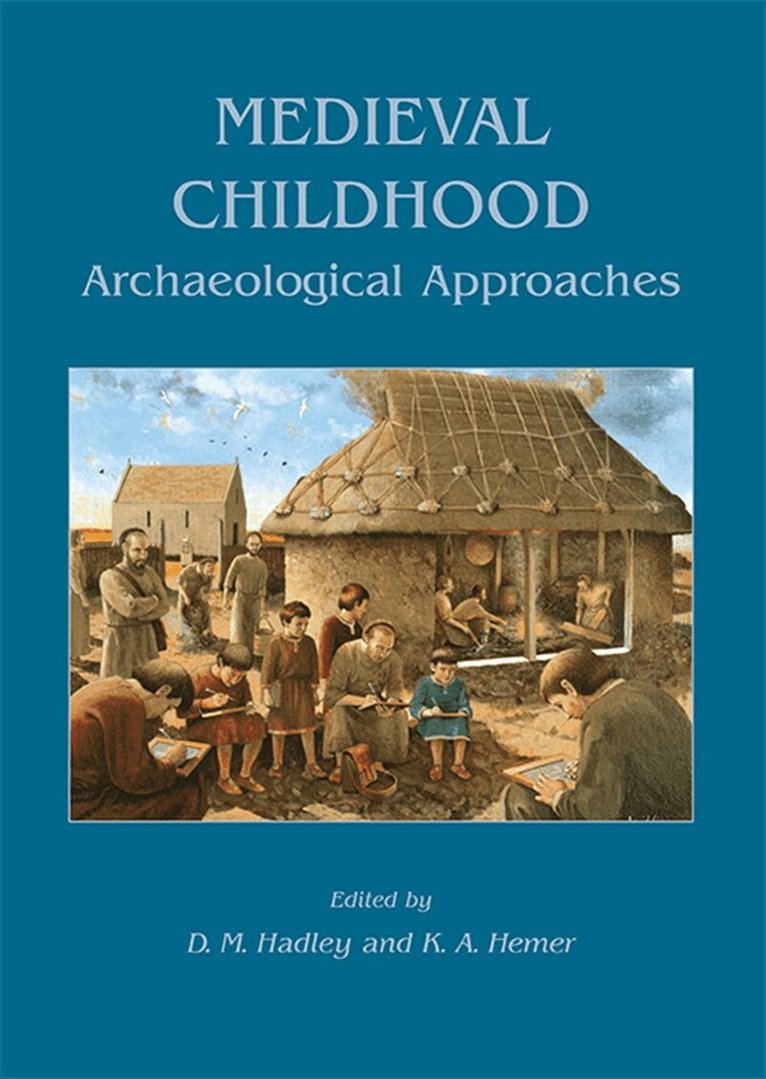
The nine papers presented here set out to broaden the recent focus of archaeological evidence for medieval children and childhood and to offer new ways of exploring their lives and experiences. The everyday use of space and changes in the layout of buildings are examined, in order to reveal how these impacted upon the daily practices and tasks of household tasks relating to the upbringing of children. Aspects of work and play are explored: how, archaeologically, we can determine whether, and in what context, children played board and dice games? How we may gain insights into the medieval countryside from the perspective of children and thus begin to understand the processes of reproduction of particular aspects of medieval society and the spaces where children’s activities occurred; and the possible role of children in the medieval pottery industry. Funerary aspects are considered: the burial of infants in early English Christian cemeteries the treatment and disposal of infants and children in the cremation ritual of early Anglo-Saxon England; and childhood, children and mobility in early medieval western Britain, especially Wales. The volume concludes with an exploration of what archaeologists can draw from other disciplines – historians, art historians, folklorists and literary scholars – and the approaches that they take to the study of childhood and thus the enhancement of our knowledge of medieval society in general.
Inbunden, Engelska, 2014
310 kr
Skickas
The nine papers presented here set out to broaden the recent focus of archaeological evidence for medieval children and childhood and to offer new ways of exploring their lives and experiences. The everyday use of space and changes in the layout of buildings are examined, in order to reveal how these impacted upon the daily practices and tasks of household tasks relating to the upbringing of children. Aspects of work and play are explored: how, archaeologically, we can determine whether, and in what context, children played board and dice games? How we may gain insights into the medieval countryside from the perspective of children and thus begin to understand the processes of reproduction of particular aspects of medieval society and the spaces where children’s activities occurred; and the possible role of children in the medieval pottery industry. Funerary aspects are considered: the burial of infants in early English Christian cemeteries the treatment and disposal of infants and children in the cremation ritual of early Anglo-Saxon England; and childhood, children and mobility in early medieval western Britain, especially Wales. The volume concludes with an exploration of what archaeologists can draw from other disciplines – historians, art historians, folklorists and literary scholars – and the approaches that they take to the study of childhood and thus the enhancement of our knowledge of medieval society in general.