D. R. Fraser Taylor – Författare
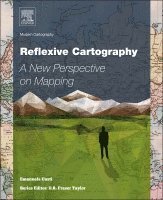
Reflexive Cartography
A New Perspective in Mapping
1 080 kr
Skickas inom 7-10 vardagar
Reflexive Cartography addresses the adaptation of cartography, including its digital forms (GIS, WebGIS, PPGIS), to the changing needs of society, and outlines the experimental context aimed at mapping a topological space. Using rigorous scientific analysis based on statement consistency, relevance of the proposals, and model accessibility, it charts the transition from topographical maps created by state agencies to open mapping produced by citizens.
Adopting semiotic theory to uncover the complex communicative mechanisms of maps and to investigate their ability to produce their own messages and new perspectives, Reflexive Cartography outlines a shift in our way of conceptualizing maps: from a plastic metaphor of reality, as they are generally considered, to solid tools that play the role of agents, assisting citizens as they think and plan their own living place and make sense of the current world.
Applies a range of technologies to theoretical perspectives on mapping to innovatively map the world's geographic diversity Features a multi-disciplinary perspective that weaves together geography, the geosciences, and the social sciences through territorial representation Authored and edited by two of the world's foremost cartographic experts who combine more than 60 years of experience in research and in the classroom Presents more than 60 figures to underscore key conceptsCybercartography in a Reconciliation Community
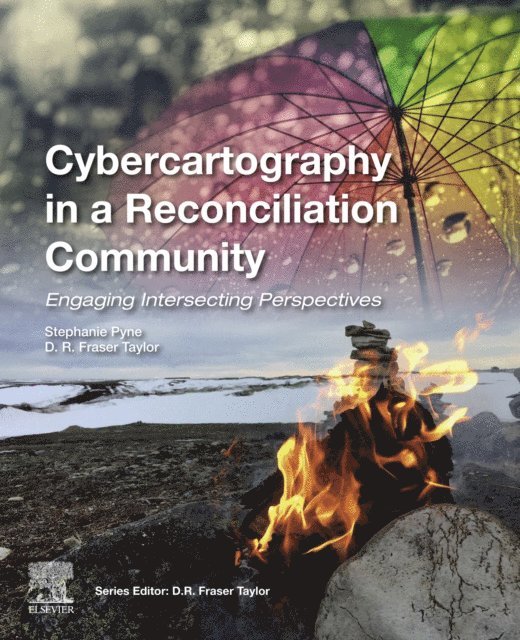
Engaging Intersecting Perspectives
1 324 kr
Skickas inom 7-10 vardagar
Cybercartography in a Reconciliation Community: Engaging Intersecting Perspectives, Volume Eight gathers perspectives on issues related to reconciliation-primarily in a residential / boarding school context-and demonstrates the unifying power of Cybercartography by identifying intersections among different knowledge perspectives. Concerned with understanding approaches toward reconciliation and education, preference is given to reflexivity in research and knowledge dissemination. The positionality aspect of reflexivity is reflected in the chapter contributions concerning various aspects of cybercartographic atlas design and development research, and related activities. In this regard, the book offers theoretical and practical knowledge of collaborative transdisciplinary research through its reflexive assessment of the relationships, processes and knowledge involved in cybercartographic research.
Using, most specifically, the Residential Schools Land Memory Mapping Project for context, Cybercartography in a Reconciliation Community provides a high speed tour through the project's innovative collaborative approach to mapping institutional material and volunteered geographic information. Exploring Cybercartography through the lens of this atlas project provides for a comprehensive understanding of both Cybercartography and transdisciplinary research, while informing the reader of education and reconciliation initiatives in Canada, the U.S., the U.K. and Italy.
Includes a variety of examples of reconciliation work, especially related to residential / boarding schools, and examines common themes in the issues discussed Offers both conceptual and applied dimensions, and provides a good example of a reflexive approach to both research and knowledge dissemination Addresses a modern application for Cybercartography that is of considerable societal importance Provides historiographical accounts of atlas-making processes, multidisciplinary perspectives on research issues and conceptual explorations