D. Walters - Böcker
Visar alla böcker från författaren D. Walters. Handla med fri frakt och snabb leverans.
5 produkter
5 produkter
1 096 kr
Skickas inom 10-15 vardagar
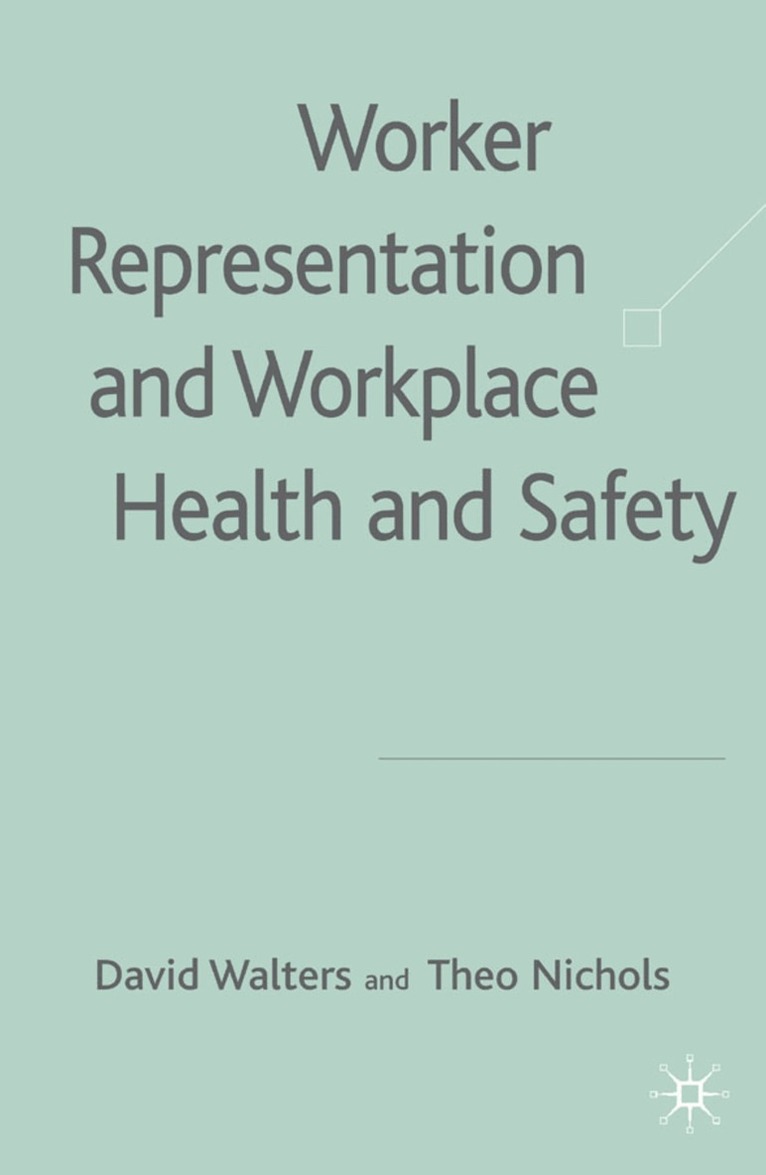
This book considers worker representation on health and safety at work. Using international and UK case studies and materials, it examines how existing arrangements deliver results, interrogating the dominant regulatory model. This book is vital for those interested in industrial relations, health and safety, and worker representation.
1 096 kr
Skickas inom 10-15 vardagar
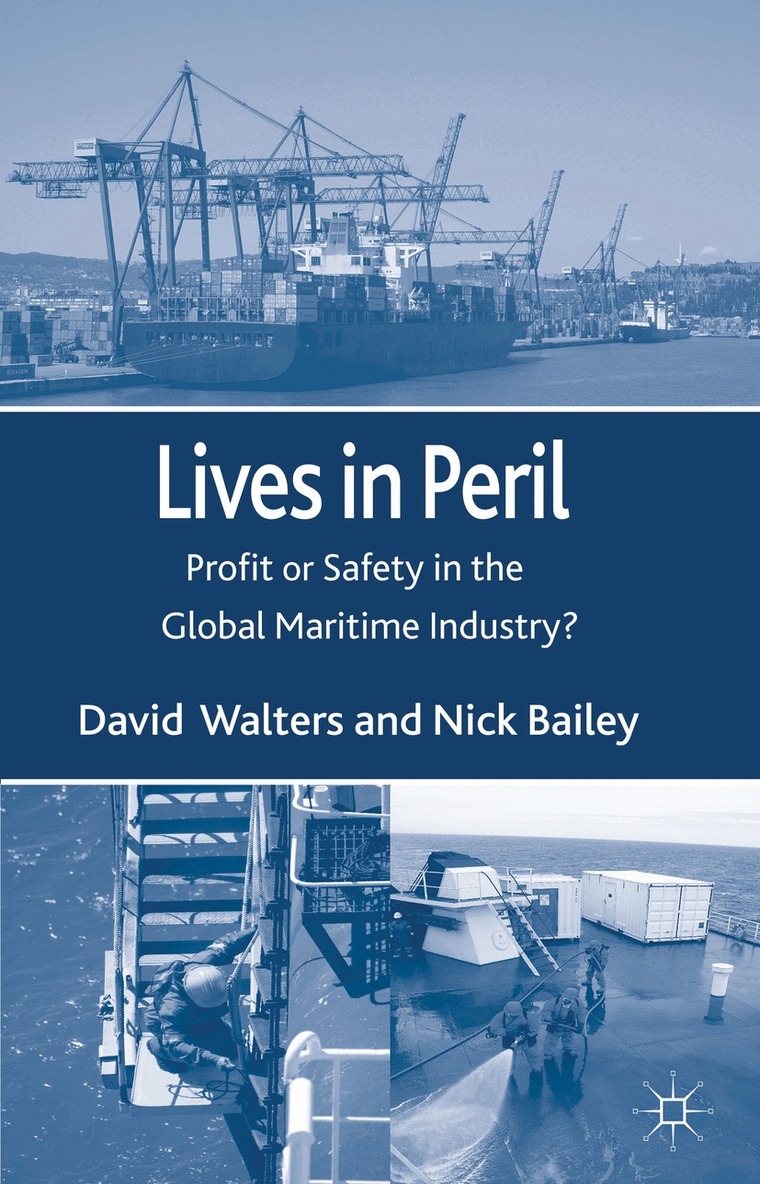
Lives in Peril demonstrates how and why seafarers are a vulnerable group of workers. It argues they are made so by the organisation and structure of their employment; the prioritisation of profit over safety by the actors that engage and control their labour; the limits of enforcement of the regulatory framework that is in place to protect them; and by their weakness as collective actors in relation to capital. The consequences of this vulnerability are seen in data on their occupationally-related morbidity and mortality - evidence that probably only represents a partial picture of the actual extent of the physical, mental and emotional harm resulting from work at sea. This volume's central argument is that this situation is likely to remain broadly unchanged as long as global maritime governance and regulation remains in thrall to the neo-liberal economic and political arguments that drive globalisation, and fails to enforce regulatory standards more robustly.
218 kr
Skickas inom 3-6 vardagar
1 096 kr
Skickas inom 10-15 vardagar
This book considers worker representation on health and safety at work. Using international and UK case studies and materials, it examines how existing arrangements deliver results, interrogating the dominant regulatory model. This book is vital for those interested in industrial relations, health and safety, and worker representation.
1 064 kr
Skickas inom 10-15 vardagar
Lives in Peril demonstrates how and why seafarers are a vulnerable group of workers. It argues they are made so by the organisation and structure of their employment; the prioritisation of profit over safety by the actors that engage and control their labour; the limits of enforcement of the regulatory framework that is in place to protect them; and by their weakness as collective actors in relation to capital. The consequences of this vulnerability are seen in data on their occupationally-related morbidity and mortality - evidence that probably only represents a partial picture of the actual extent of the physical, mental and emotional harm resulting from work at sea. This volume's central argument is that this situation is likely to remain broadly unchanged as long as global maritime governance and regulation remains in thrall to the neo-liberal economic and political arguments that drive globalisation, and fails to enforce regulatory standards more robustly.