Dacia Viejo-Rose - Böcker
Visar alla böcker från författaren Dacia Viejo-Rose. Handla med fri frakt och snabb leverans.
5 produkter
5 produkter
1 282 kr
Skickas inom 7-10 vardagar
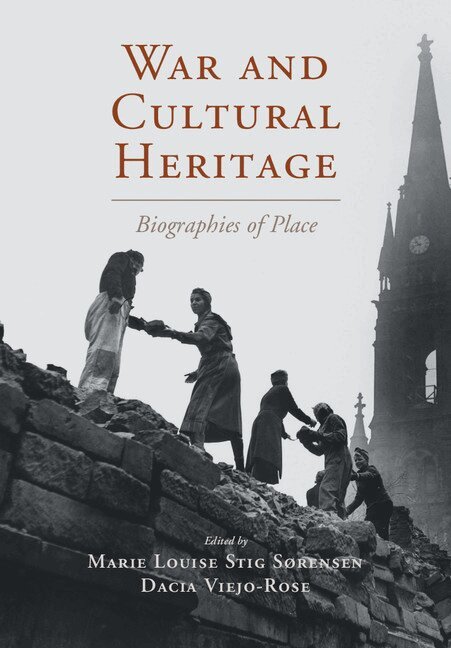
The reconstruction of society after conflict is complex and multifaceted. This book investigates this theme as it relates to cultural heritage through a number of case studies relating to European wars since 1864. The case studies show in detail how buildings, landscapes, and monuments become important agents in post-conflict reconstruction, as well as how their meanings change and how they become sites of competition over historical narratives and claims. Looking at iconic and lesser-known sites, this book connects broad theoretical discussions of reconstruction and memorialisation to specific physical places, and in the process it traces shifts in their meanings over time. This book identifies common threads and investigates their wider implications. It explores the relationship between cultural heritage and international conflict, paying close attention to the long aftermaths of acts of destruction and reconstruction and making important contributions through the use of new empirical evidence and critical theory.
1 761 kr
Skickas inom 7-10 vardagar
This book explores the role of cultural heritage in post-conflict reconstruction, whether as a motor for the prolongation of violence or as a resource for building reconciliation. The research was driven by two main goals: to understand the post-conflict reconstruction process and to identify how this process evolves in the medium term and the impact it has on society. The Spanish Civil War (1936-39) and its subsequent phases of reconstruction provides the primary material for this exploration. In pursuit of the first goal, the book centers on the material practices and rhetorical strategies developed around cultural heritage in post-civil war Spain and the victorious Franco regime's reconstruction. The analysis captures a discursively complex set of practices that made up the reconstruction and in which a variety of Spanish heritage sites were claimed, rebuilt or restored, and represented - as signs of historical narratives, political legitimacy, and group identity. The reconstruction of the town of Gernika is a particularly emblematic instance of destruction and a significant symbol within the Basque regions of Spain, as well as internationally. By examining Gernika, it is possible to identify some of the trends common to the reconstruction as a whole, along with those aspects that pertain to its singular symbolic resonance. In order to achieve the second goal, the book examines the processes of selection, value change, and exclusionary dynamics of reconstruction. Exploring the possible impact of post-civil war reconstruction in the medium term is conducted in two time frames: the period of political transition that followed General Franco's death in 1975, and the 2004-2008 period when Rodriguez Zapatero's government undertook initiatives to 'recover the historic memory' of the war and dictatorship. Finally, the observations made of the Spanish reconstruction are analyzed in terms of how they might reveal general trends in post-conflict reconstruction processes in relation to cultural heritage. These insights are pertinent to the situations in Cambodia, Bosnia and Herzegovina, Afghanistan, and Iraq.
702 kr
Skickas inom 7-10 vardagar
This book explores the role of cultural heritage in post-conflict reconstruction, whether as a motor for the prolongation of violence or as a resource for building reconciliation. The research was driven by two main goals: to understand the post-conflict reconstruction process and to identify how this process evolves in the medium term and the impact it has on society. The Spanish Civil War (1936-39) and its subsequent phases of reconstruction provides the primary material for this exploration. In pursuit of the first goal, the book centers on the material practices and rhetorical strategies developed around cultural heritage in post-civil war Spain and the victorious Franco regime's reconstruction. The analysis captures a discursively complex set of practices that made up the reconstruction and in which a variety of Spanish heritage sites were claimed, rebuilt or restored, and represented - as signs of historical narratives, political legitimacy, and group identity. The reconstruction of the town of Gernika is a particularly emblematic instance of destruction and a significant symbol within the Basque regions of Spain, as well as internationally. By examining Gernika, it is possible to identify some of the trends common to the reconstruction as a whole, along with those aspects that pertain to its singular symbolic resonance. In order to achieve the second goal, the book examines the processes of selection, value change, and exclusionary dynamics of reconstruction. Exploring the possible impact of post-civil war reconstruction in the medium term is conducted in two time frames: the period of political transition that followed General Franco's death in 1975, and the 2004-2008 period when Rodriguez Zapatero's government undertook initiatives to 'recover the historic memory' of the war and dictatorship. Finally, the observations made of the Spanish reconstruction are analyzed in terms of how they might reveal general trends in post-conflict reconstruction processes in relation to cultural heritage. These insights are pertinent to the situations in Cambodia, Bosnia and Herzegovina, Afghanistan, and Iraq.
1 419 kr
Skickas inom 10-15 vardagar
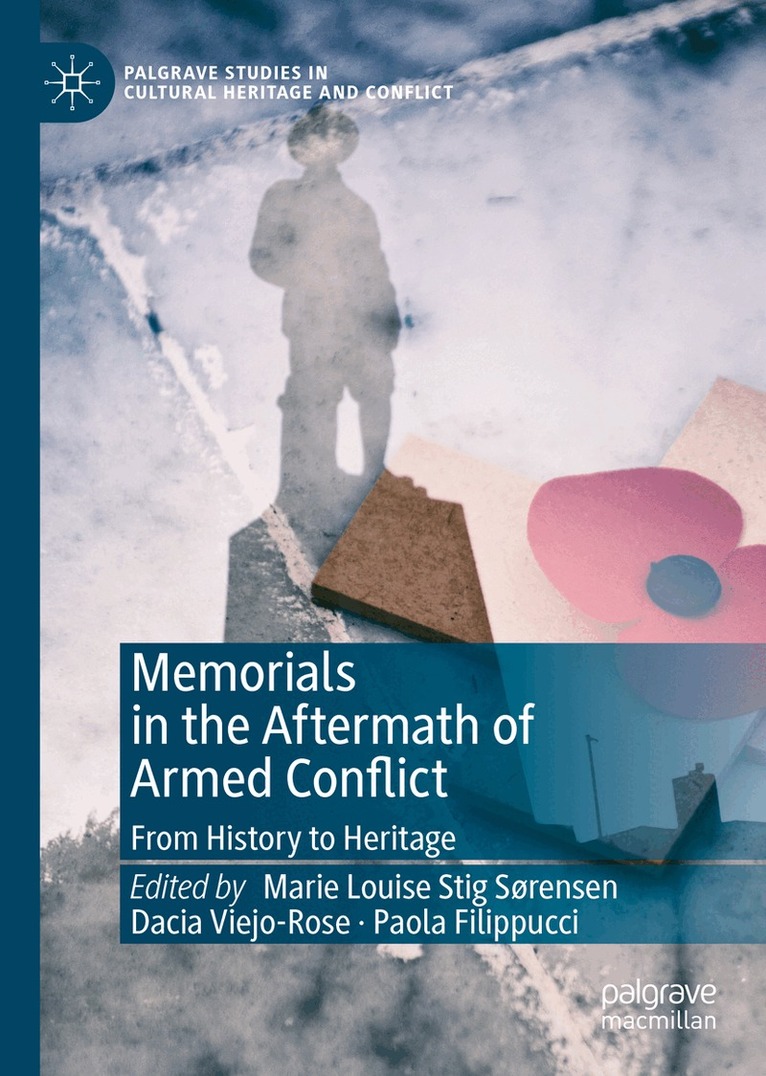
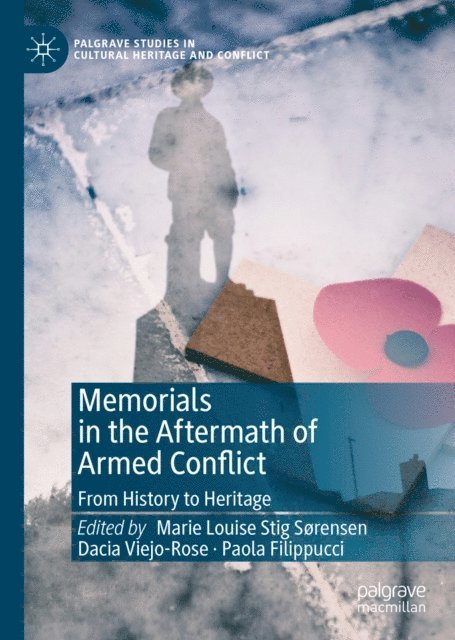
Through case studies from Europe and Russia, this volume analyses memorials as a means for the present to make claims on the past in the aftermath of armed conflict.
1 419 kr
Skickas inom 10-15 vardagar
Through case studies from Europe and Russia, this volume analyses memorials as a means for the present to make claims on the past in the aftermath of armed conflict.