Daeryoon Kim – författare
Visar alla böcker från författaren Daeryoon Kim. Handla med fri frakt och snabb leverans.
3 produkter
3 produkter
Inbunden, Engelska, 2017
1 671 kr
Skickas inom 10-15 vardagar
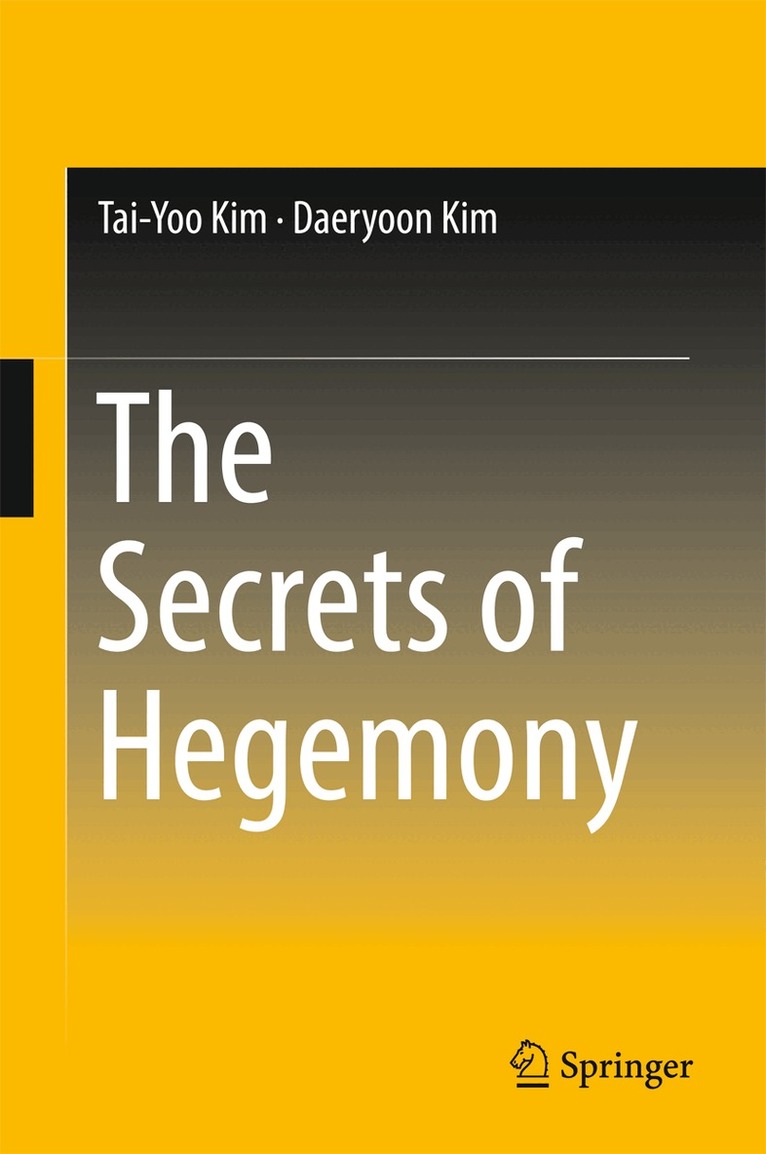
This book revisits the historically different paths to economic development that Spain, the Netherlands, Great Britain and the United States followed at different time periods since the early modern period. Addressing the questions of how economic growth came about in these four countries and why sustained economic growth was achieved only by the two latter economic powers - Great Britain and the United States, it clearly highlights the long-term economic impact of the individual economic systems each country had developed. This discussion draws on two important variables in economic systems: whether its primary activity is agriculture, commerce, or manufacturing, and whether its productive system expands or simply reproduces. From this interpretive framework, the book suggests that the existing literature has not yet paid sufficient attention to the enduring impact on a nation’s long-term economic performance of their differing economic systems - simple agricultural reproduction system (Spain), expansive commercial reinvestment system (the Netherlands), and expansive industrial reproduction system (Great Britain and the United States). The book also demonstrates why sustained economic growth was viable only within an expansive industrial reproduction system, and what conditions Great Britain and the United States had to fulfill to create such an economic system in their specific historical contexts. It concludes by reflecting on the policy implications of the findings on current discussions concerning economic development within the global economy.
E-bok
Engelska, 20171 622 kr
Läs direkt efter köp
This book revisits the historically different paths to economic development that Spain, the Netherlands, Great Britain and the United States followed at different time periods since the early modern period. Addressing the questions of how economic growth came about in these four countries and why sustained economic growth was achieved only by the two latter economic powers - Great Britain and the United States, it clearly highlights the long-term economic impact of the individual economic systems each country had developed. This discussion draws on two important variables in economic systems: whether its primary activity is agriculture, commerce, or manufacturing, and whether its productive system expands or simply reproduces. From this interpretive framework, the book suggests that the existing literature has not yet paid sufficient attention to the enduring impact on a nation’s long-term economic performance of their differing economic systems - simple agricultural reproduction system (Spain), expansive commercial reinvestment system (the Netherlands), and expansive industrial reproduction system (Great Britain and the United States). The book also demonstrates why sustained economic growth was viable only within an expansive industrial reproduction system, and what conditions Great Britain and the United States had to fulfill to create such an economic system in their specific historical contexts. It concludes by reflecting on the policy implications of the findings on current discussions concerning economic development within the global economy.
Häftad, Engelska, 2018
1 227 kr
Skickas inom 10-15 vardagar
This book revisits the historically different paths to economic development that Spain, the Netherlands, Great Britain and the United States followed at different time periods since the early modern period. Addressing the questions of how economic growth came about in these four countries and why sustained economic growth was achieved only by the two latter economic powers - Great Britain and the United States, it clearly highlights the long-term economic impact of the individual economic systems each country had developed. This discussion draws on two important variables in economic systems: whether its primary activity is agriculture, commerce, or manufacturing, and whether its productive system expands or simply reproduces. From this interpretive framework, the book suggests that the existing literature has not yet paid sufficient attention to the enduring impact on a nation’s long-term economic performance of their differing economic systems - simple agricultural reproduction system (Spain), expansive commercial reinvestment system (the Netherlands), and expansive industrial reproduction system (Great Britain and the United States). The book also demonstrates why sustained economic growth was viable only within an expansive industrial reproduction system, and what conditions Great Britain and the United States had to fulfill to create such an economic system in their specific historical contexts. It concludes by reflecting on the policy implications of the findings on current discussions concerning economic development within the global economy.