Dag Lindstrom – författare
752 kr
Läs direkt efter köp
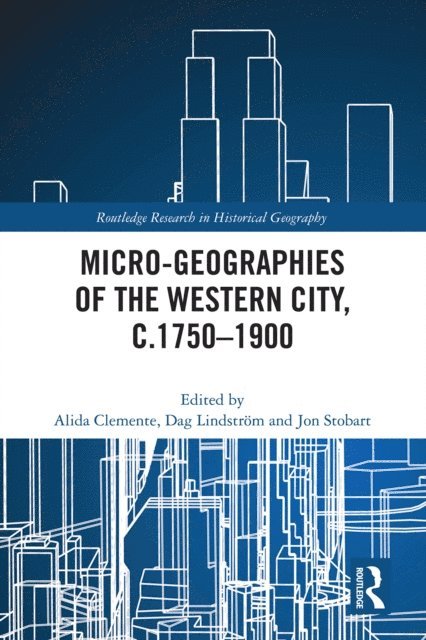
This book examines the overlapping spaces in modern Western cities to explore the small-scale processes that shaped these cities between c.1750 and 1900. It highlights the ways in which time and space matter, framing individual actions and practices and their impact on larger urban processes.
It draws on the original and detailed studies of cities in Europe and North America through a micro-geographical approach to unravel urban practices, experiences and representations at three different scales: the dwelling, the street and the neighbourhood. Part I explores the changing spatiality of housing, examining the complex and contingent relationship between public and private, and commercial and domestic, as well as the relationship between representations and lived experiences. Part II delves into the street as a thoroughfare, connecting the city, but also as a site of contestation over the control and character of urban spaces. Part III draws attention to the neighbourhood as a residential grouping and as a series of spaces connecting flows of people integrating the urban space. Drawing on a range of methodologies, from space syntax and axial analysis to detailed descriptions of individual buildings, this book blends spatial theory and ideas of place with micro-history.
With its fresh perspectives on the Western city created through the built environment and the everyday actions of city dwellers, the book will interest historical geographers, urban historians and architects involved in planning of cities across Europe and North America.
752 kr
Läs direkt efter köp
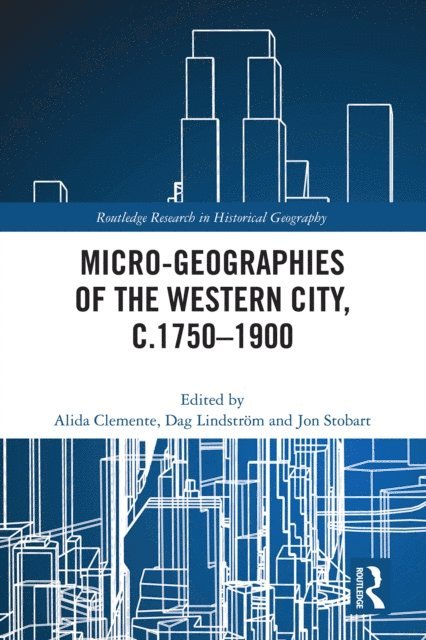
This book examines the overlapping spaces in modern Western cities to explore the small-scale processes that shaped these cities between c.1750 and 1900. It highlights the ways in which time and space matter, framing individual actions and practices and their impact on larger urban processes.
It draws on the original and detailed studies of cities in Europe and North America through a micro-geographical approach to unravel urban practices, experiences and representations at three different scales: the dwelling, the street and the neighbourhood. Part I explores the changing spatiality of housing, examining the complex and contingent relationship between public and private, and commercial and domestic, as well as the relationship between representations and lived experiences. Part II delves into the street as a thoroughfare, connecting the city, but also as a site of contestation over the control and character of urban spaces. Part III draws attention to the neighbourhood as a residential grouping and as a series of spaces connecting flows of people integrating the urban space. Drawing on a range of methodologies, from space syntax and axial analysis to detailed descriptions of individual buildings, this book blends spatial theory and ideas of place with micro-history.
With its fresh perspectives on the Western city created through the built environment and the everyday actions of city dwellers, the book will interest historical geographers, urban historians and architects involved in planning of cities across Europe and North America.
769 kr
Läs direkt efter köp
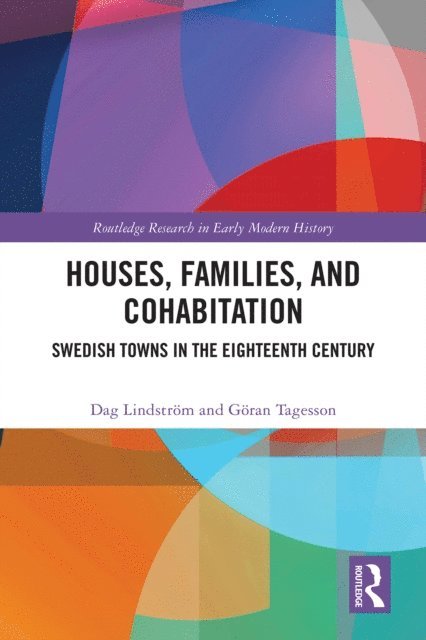
This book is an interdisciplinary study that draws on a combination of archaeological evidence, building archaeological analysis, archival sources to explore the dynamic relations between dwelling houses, social organization of households, and patterns of cohabitation during the eighteenth century.
The empirical focus of this book is on Swedish towns, but it also addresses more general issues about urbanity and urban life, space and social organization, and materiality and individual agency. Aggregated questions about urban life and urban space are combined with a micro historical method revealing aspects of daily life and urban change. This study unveils a previously neglected history. Swedish eighteenth century towns have commonly been identified as a territory characterized by its sleepy absence of change. This study proves the opposite. Houses were built larger, with more diverse and complex inner structures. Family structures changed; households generally became smaller, the share of households headed by a married couple declined, and the number of single households increased. Population density increased, the number of families residing in the same house increased, and rental accommodation became more prevalent.
This volume is essential reading for anyone interested in early modern housing, urban change, and interdisciplinary methods.
776 kr
Läs direkt efter köp
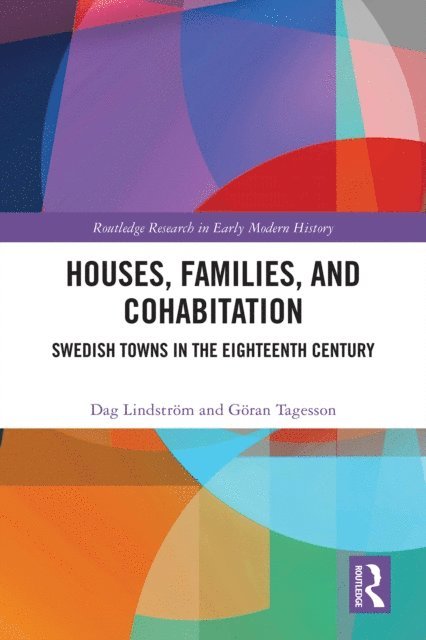
This book is an interdisciplinary study that draws on a combination of archaeological evidence, building archaeological analysis, archival sources to explore the dynamic relations between dwelling houses, social organization of households, and patterns of cohabitation during the eighteenth century.
The empirical focus of this book is on Swedish towns, but it also addresses more general issues about urbanity and urban life, space and social organization, and materiality and individual agency. Aggregated questions about urban life and urban space are combined with a micro historical method revealing aspects of daily life and urban change. This study unveils a previously neglected history. Swedish eighteenth century towns have commonly been identified as a territory characterized by its sleepy absence of change. This study proves the opposite. Houses were built larger, with more diverse and complex inner structures. Family structures changed; households generally became smaller, the share of households headed by a married couple declined, and the number of single households increased. Population density increased, the number of families residing in the same house increased, and rental accommodation became more prevalent.
This volume is essential reading for anyone interested in early modern housing, urban change, and interdisciplinary methods.