Daisaku Yamamoto – författare
Visar alla böcker från författaren Daisaku Yamamoto. Handla med fri frakt och snabb leverans.
12 produkter
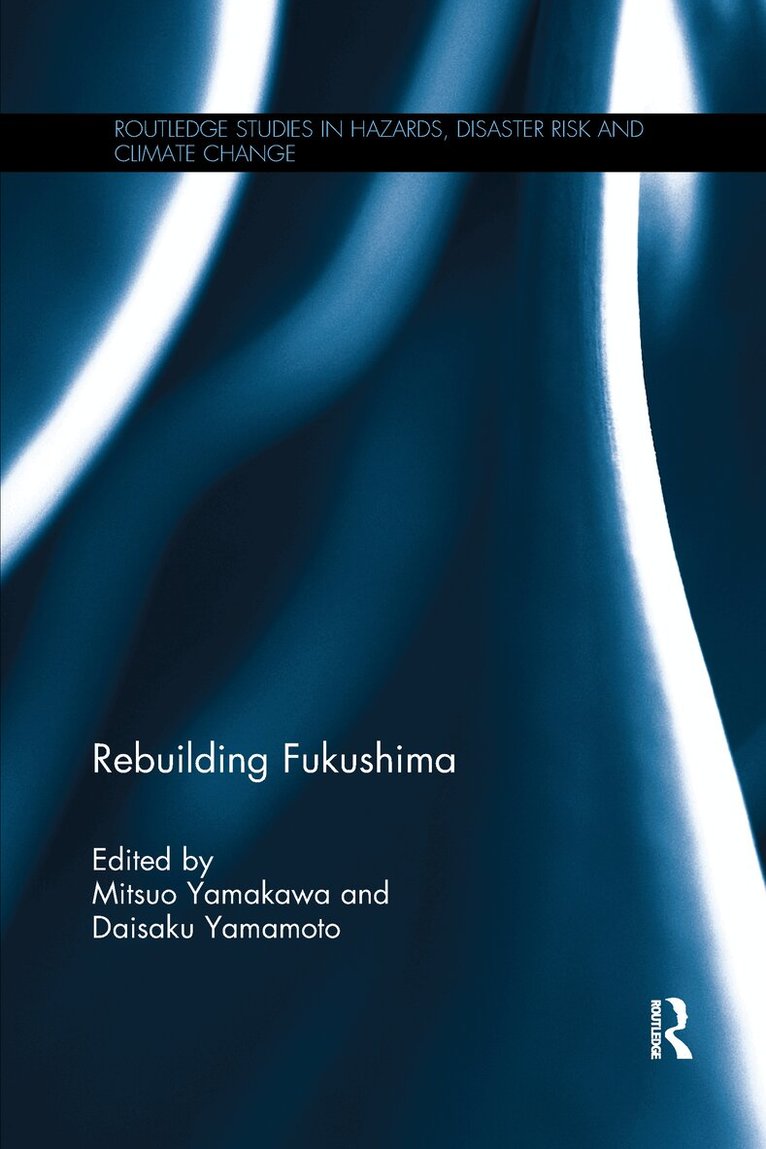
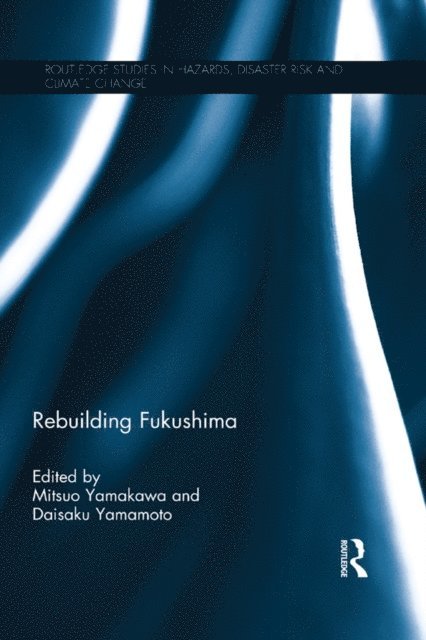
Rebuilding Fukushima
Av Mitsuo Yamakawa, Daisaku Yamamoto
Häftad, 2021
718 kr
Lägg i varukorg
Five years after the one of the worst nuclear accidents in history, Fukushima now only occasionally headlines national and international media. However, the disaster is far from over, as evidenced by a hundred thousand people from Fukushima still in the state of evacuation, rising levels of …
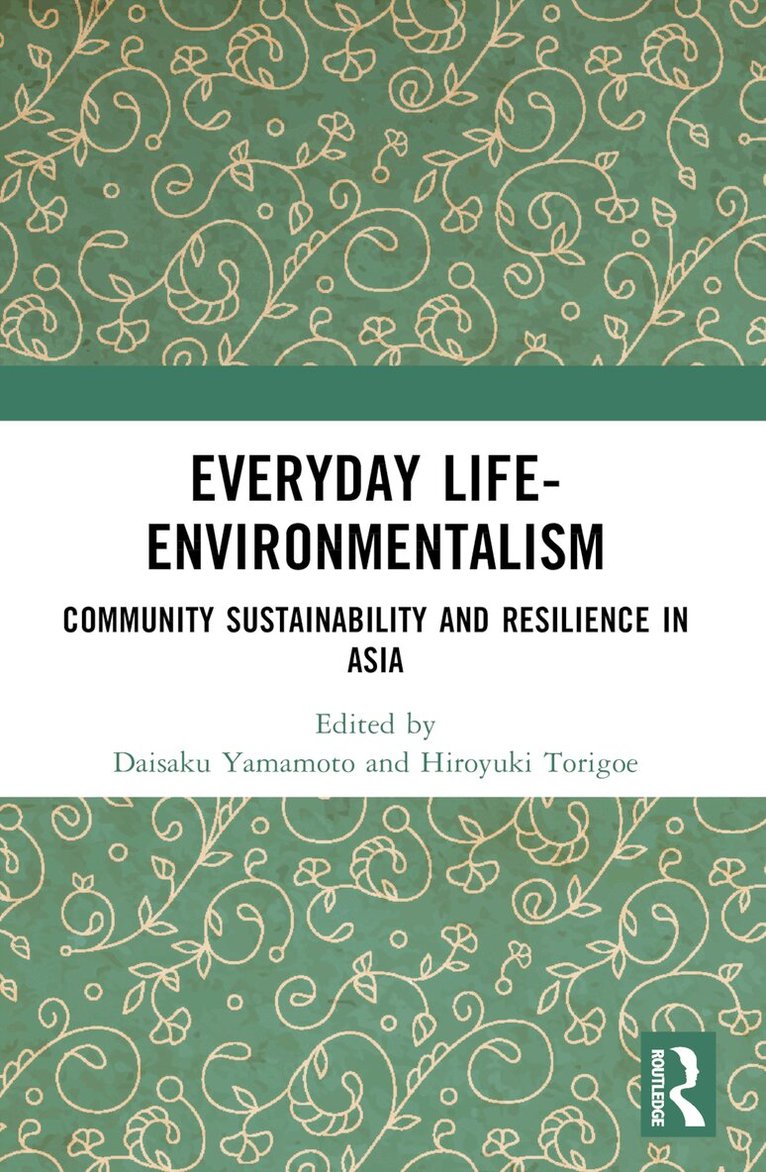
Everyday Life-Environmentalism
Community Sustainability and Resilience in Asia
Av Hiroyuki Torigoe, Daisaku Yamamoto
E-bok, 2023
831 kr
Lägg i varukorg
This book provides one of the first systematic introductions to the Japanese concept of life-environmentalism, Seikatsu-Kankyo Shugi . This concept emerged in the 1980s as a shared research framework among Japanese social scientists studying the adverse consequences of postwar industrialization on …
Everyday Life-Environmentalism
Community Sustainability and Resilience in Asia
Av Hiroyuki Torigoe, Daisaku Yamamoto
E-bok, 2023
813 kr
Lägg i varukorg
This book provides one of the first systematic introductions to the Japanese concept of life-environmentalism, Seikatsu-Kankyo Shugi . This concept emerged in the 1980s as a shared research framework among Japanese social scientists studying the adverse consequences of postwar industrialization on …
Everyday Life-Environmentalism
Community Sustainability and Resilience in Asia
Av Daisaku Yamamoto, Hiroyuki Torigoe
Inbunden, 2023
2519 kr
Lägg i varukorg
This book provides one of the first systematic introductions to the Japanese concept of life-environmentalism, Seikatsu-Kankyo Shugi. This concept emerged in the 1980s as a shared research framework among Japanese social scientists studying the adverse consequences of postwar industrialization on …
Everyday Life-Environmentalism
Community Sustainability and Resilience in Asia
Av Daisaku Yamamoto, Hiroyuki Torigoe
Häftad, 2025
708 kr
Lägg i varukorg
This book provides one of the first systematic introductions to the Japanese concept of life-environmentalism, Seikatsu-Kankyo Shugi. This concept emerged in the 1980s as a shared research framework among Japanese social scientists studying the adverse consequences of postwar industrialization on …
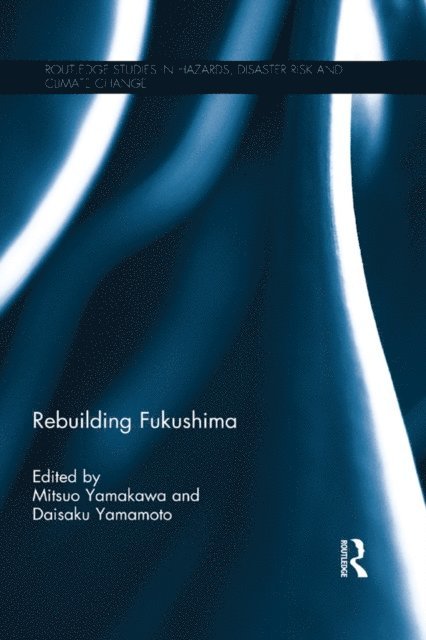
Rebuilding Fukushima
Av Mitsuo Yamakawa, Daisaku Yamamoto
Inbunden, 2017
2519 kr
Lägg i varukorg
Five years after the one of the worst nuclear accidents in history, Fukushima now only occasionally headlines national and international media. However, the disaster is far from over, as evidenced by a hundred thousand people from Fukushima still in the state of evacuation, rising levels of …
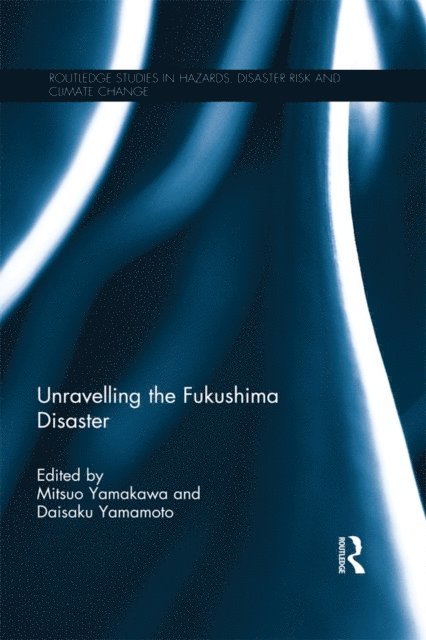
Unravelling the Fukushima Disaster
Av Mitsuo Yamakawa, Daisaku Yamamoto
Inbunden, 2016
2519 kr
Lägg i varukorg
The Fukushima disaster continues to appear in national newspapers when there is another leakage of radiation-contaminated water, evacuation designations are changed, or major compensation issues arise and so remains far from over. However, after five years, attention and research towards the …
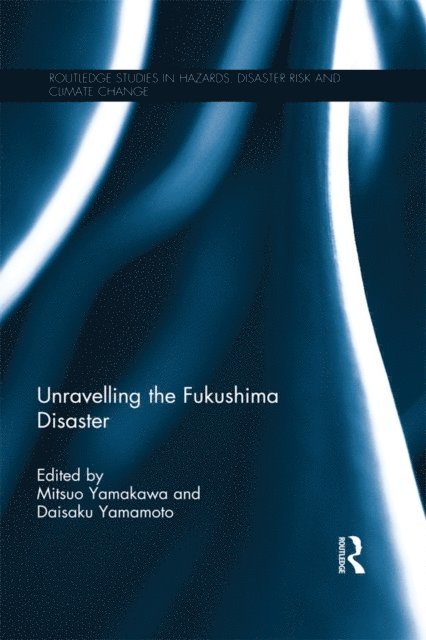
Unravelling the Fukushima Disaster
Av Mitsuo Yamakawa, Daisaku Yamamoto
Häftad, 2018
752 kr
Lägg i varukorg
The Fukushima disaster continues to appear in national newspapers when there is another leakage of radiation-contaminated water, evacuation designations are changed, or major compensation issues arise and so remains far from over. However, after five years, attention and research towards the …
Unravelling the Fukushima Disaster
Av Daisaku Yamamoto, Mitsuo Yamakawa
E-bok, 2016
864 kr
Lägg i varukorg
The Fukushima disaster continues to appear in national newspapers when there is another leakage of radiation-contaminated water, evacuation designations are changed, or major compensation issues arise and so remains far from over. However, after five years, attention and research towards the …
Unravelling the Fukushima Disaster
Av Daisaku Yamamoto, Mitsuo Yamakawa
E-bok, 2016
883 kr
Lägg i varukorg
The Fukushima disaster continues to appear in national newspapers when there is another leakage of radiation-contaminated water, evacuation designations are changed, or major compensation issues arise and so remains far from over. However, after five years, attention and research towards the …
Rebuilding Fukushima
Av Daisaku Yamamoto, Mitsuo Yamakawa
E-bok, 2017
849 kr
Lägg i varukorg
Five years after the one of the worst nuclear accidents in history, Fukushima now only occasionally headlines national and international media. However, the disaster is far from over, as evidenced by a hundred thousand people from Fukushima still in the state of evacuation, rising levels of …
Rebuilding Fukushima
Av Daisaku Yamamoto, Mitsuo Yamakawa
E-bok, 2017
849 kr
Lägg i varukorg
Five years after the one of the worst nuclear accidents in history, Fukushima now only occasionally headlines national and international media. However, the disaster is far from over, as evidenced by a hundred thousand people from Fukushima still in the state of evacuation, rising levels of …