Dale Blair – författare
Visar alla böcker från författaren Dale Blair. Handla med fri frakt och snabb leverans.
5 produkter
5 produkter
Häftad, Engelska, 2021
156 kr
Skickas
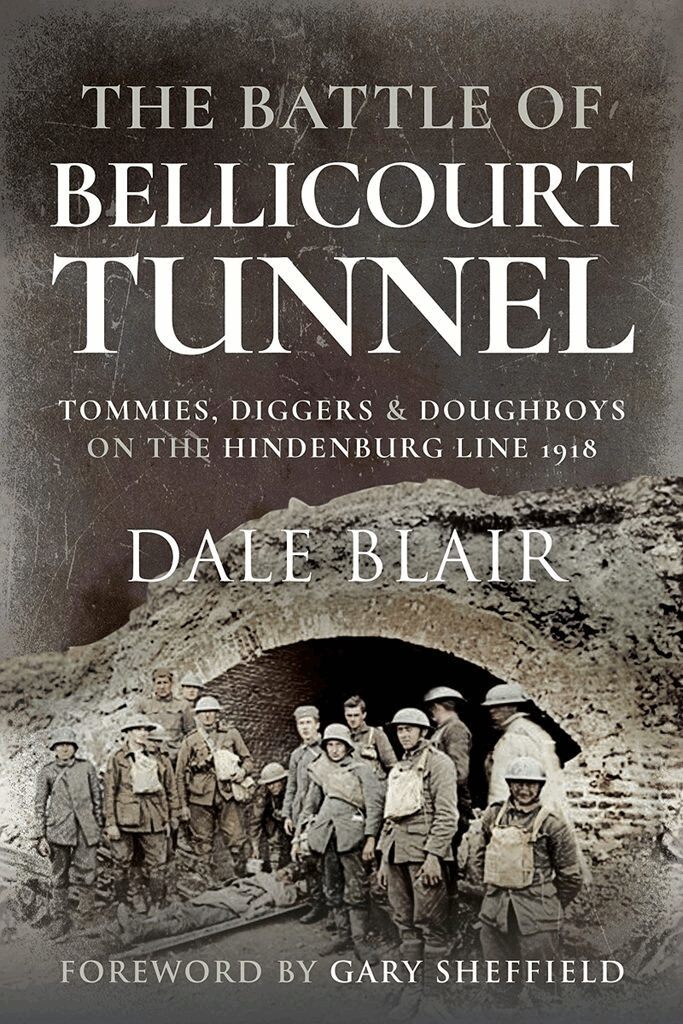
In the summer and autumn of 1918, the British Expeditionary Force, under Field Marshal Haig, fought a series of victorious battles on the Western Front that contributed mightily to the German Army's final defeat. They did so as part of an Allied coalition, one in which the role of Australian diggers and US doughboys is often forgotten.The Bellicourt Tunnel attack in September 1918, fought in the fading autumn light, was very much an inter-Allied affair and marked a unique moment in the Allied armies' endeavours. It was the first time that such a large cohort of Americans had fought in a British formation. Additionally, untried American II Corps and experienced Australian Corps were to spearhead the attack under the command of Lieutenant General Sir John Monash, with British divisions adopting supporting roles on the flanks.Blair forensically details the fighting and the largely forgotten desperate German defence. Although celebrated as a marvellous feat of breaking the Hindenburg Line, the American attack generally failed to achieve its set objectives and it took the Australians three days of bitter fighting to reach theirs. Blair rejects the conventional explanation of the US mop up failure and points the finger of blame at Rawlinson, Haig and Monash for expecting too much of the raw US troops, singling out the Australian Corps commander for particular criticism.Overall, Blair judges the fighting a draw. At the end, like two boxers, the Australian-American force was gasping for breath and the Germans, badly battered, were back-pedalling to remain on balance. That said, the day was calamitous for the German Army, even if the clean break-through that Haig had hoped for did not occur. Forced out of the Hindenburg Line, the prognosis for the German army on the Western Front and hence Imperial Germany itself was bleak indeed.
Häftad, Engelska, 2015
158 kr
Skickas inom 5-8 vardagar
Inbunden, Engelska, 2017
562 kr
Skickas inom 10-15 vardagar
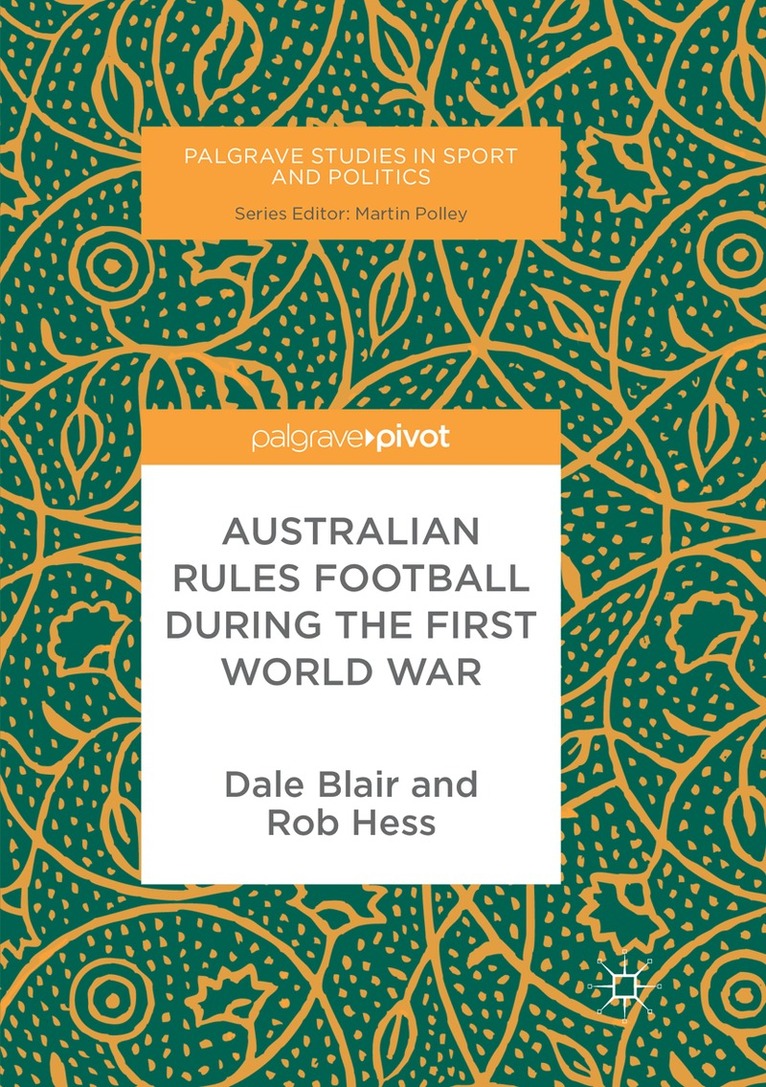
The book explores the intersection between the Great War and patriotism through an examination of the effects of both on Australia’s most popular football code. The work is chronological, and therefore provides an easy path by which events may be followed. Ultimately it seeks to shine a light on and provide considerable detail to a much-ignored period in Australian Rules football history, including women’s football history, that was subject to much upheaval and which reflected considerable social and class divisions in society at the time. One hundred years on, the Australian Football League presents past soldier footballers as unequivocal representatives of a unifying national ‘Anzac’ spirit. That is far from the reality of football’s First World War experience.
E-bok
Engelska, 2017734 kr
Läs direkt efter köp
The book explores the intersection between the Great War and patriotism through an examination of the effects of both on Australia’s most popular football code. The work is chronological, and therefore provides an easy path by which events may be followed. Ultimately it seeks to shine a light on and provide considerable detail to a much-ignored period in Australian Rules football history, including women’s football history, that was subject to much upheaval and which reflected considerable social and class divisions in society at the time. One hundred years on, the Australian Football League presents past soldier footballers as unequivocal representatives of a unifying national ‘Anzac’ spirit. That is far from the reality of football’s First World War experience.
Häftad, Engelska, 2018
562 kr
Skickas inom 10-15 vardagar
The book explores the intersection between the Great War and patriotism through an examination of the effects of both on Australia’s most popular football code. The work is chronological, and therefore provides an easy path by which events may be followed. Ultimately it seeks to shine a light on and provide considerable detail to a much-ignored period in Australian Rules football history, including women’s football history, that was subject to much upheaval and which reflected considerable social and class divisions in society at the time. One hundred years on, the Australian Football League presents past soldier footballers as unequivocal representatives of a unifying national ‘Anzac’ spirit. That is far from the reality of football’s First World War experience.