Dalia Dassa Kaye – författare
Visar alla böcker från författaren Dalia Dassa Kaye. Handla med fri frakt och snabb leverans.
20 produkter
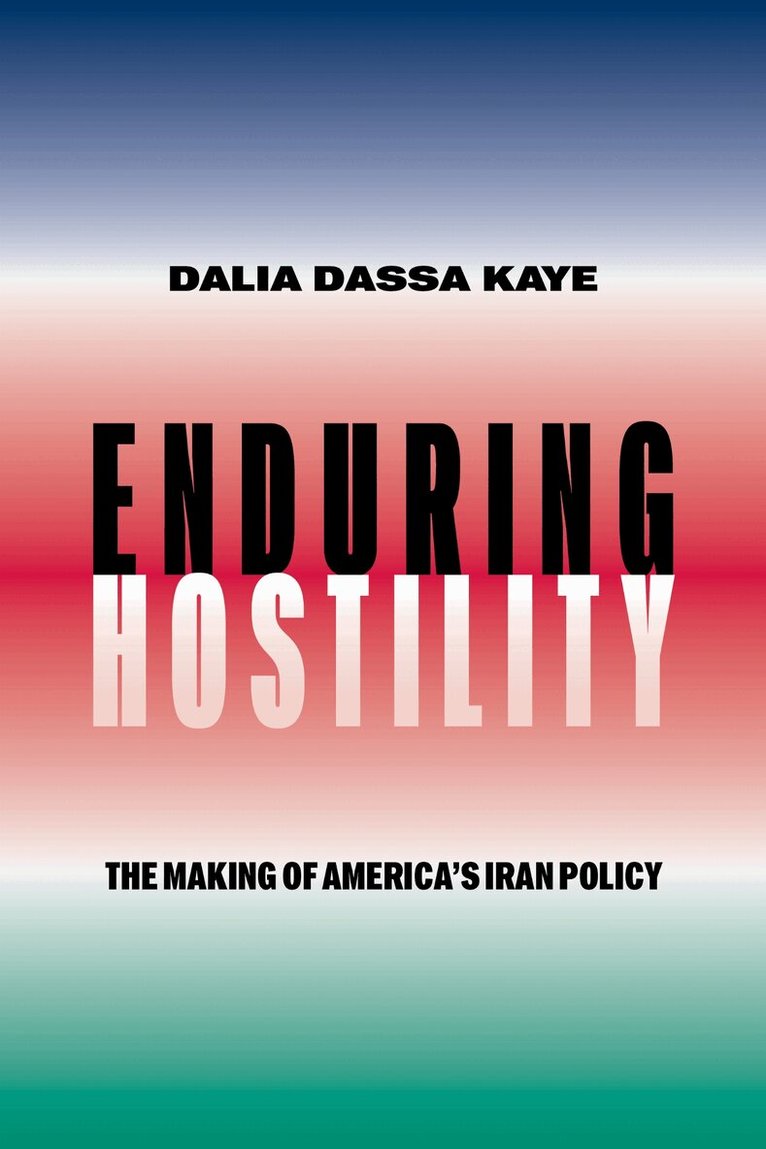
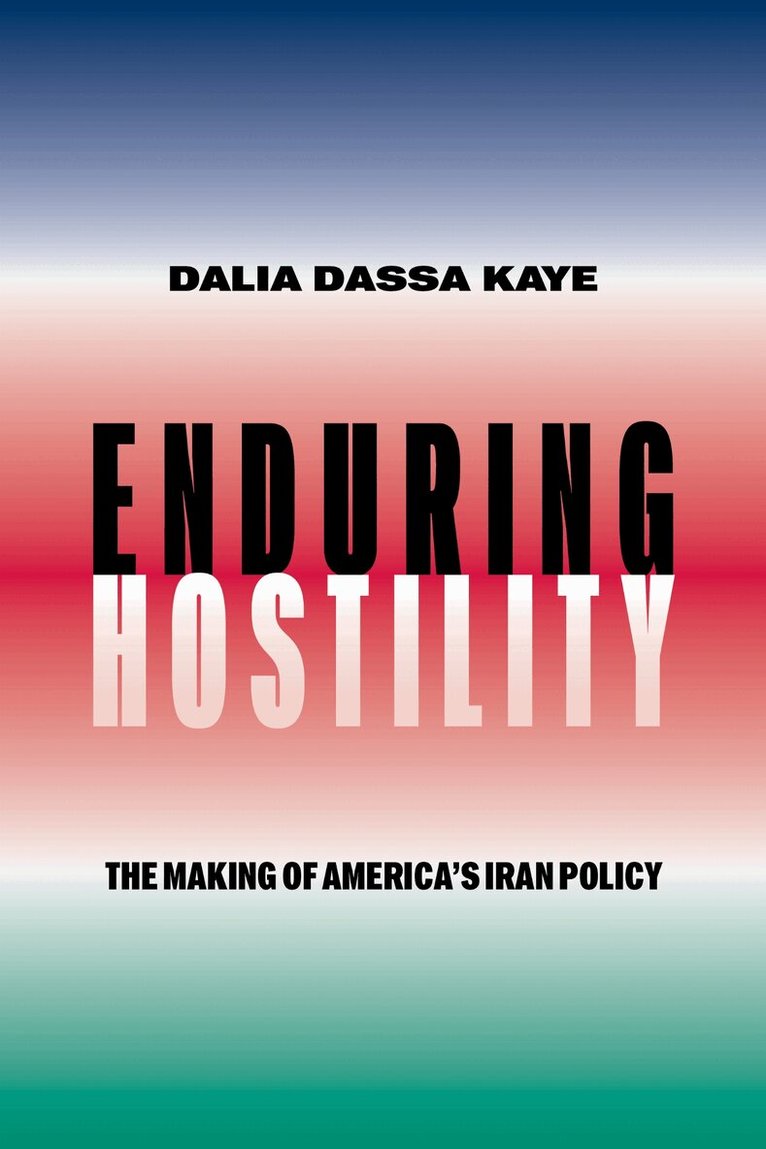
Enduring Hostility
The Making of America's Iran Policy
Häftad, 2025
280 kr
Lägg i varukorg
American policy toward Iran has remained remarkably consistent since the earliest years of the Reagan administration. US–Iran hostility has endured for longer than the Cold War. Momentous geopolitical shifts, changing leaderships, and evolving domestic priorities have not fundamentally altered this …
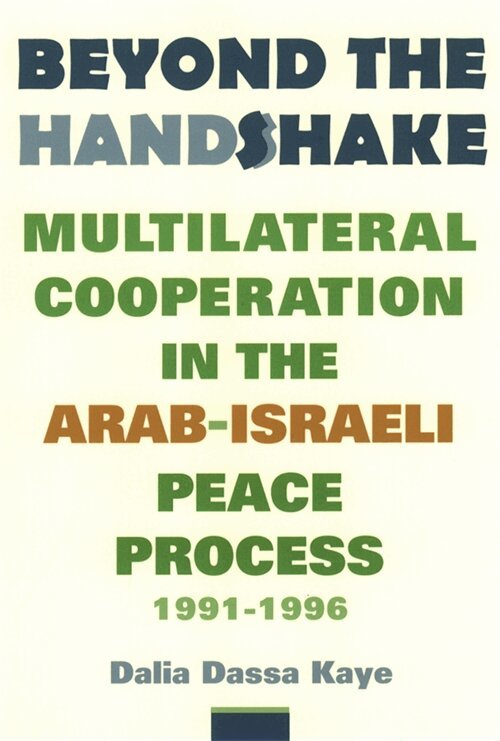
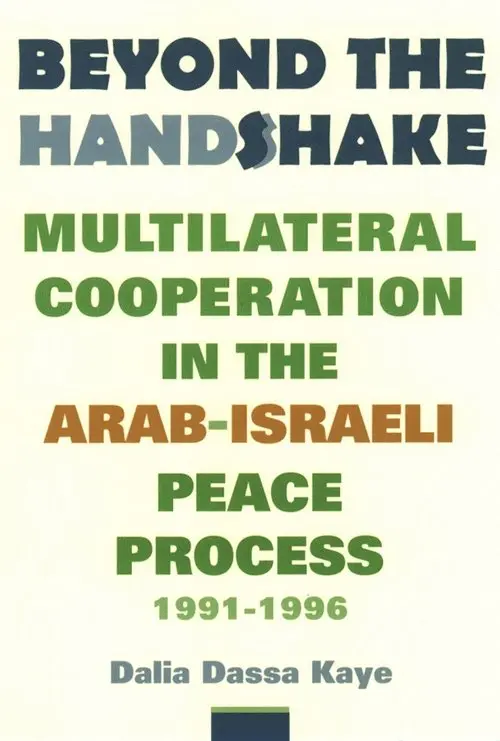
Beyond the Handshake
Multilateral Cooperation in the Arab-Israeli Peace Process, 1991-1996
Häftad, 2001
651 kr
Lägg i varukorg
Arabs and Israelis have battled one another in political and military arenas, seemingly continuously, for some fifty years. The 1991 Madrid Peace Conference sought to change this pattern, launching bilateral and multilateral tracks in the Arab-Israeli peace process. As a result, a broad group of …
Beyond the Handshake
Multilateral Cooperation in the Arab-Israeli Peace Process, 1991-1996
E-bok, 2001
491 kr
Lägg i varukorg
Arabs and Israelis have battled one another in political and military arenas, seemingly continuously, for some fifty years. The 1991 Madrid Peace Conference sought to change this pattern, launching bilateral and multilateral tracks in the Arab-Israeli peace process. As a result, a broad group of …
Enduring Hostility
The Making of America's Iran Policy
Inbunden, 2025
1158 kr
Lägg i varukorg
American policy toward Iran has remained remarkably consistent since the earliest years of the Reagan administration. US–Iran hostility has endured for longer than the Cold War. Momentous geopolitical shifts, changing leaderships, and evolving domestic priorities have not fundamentally altered this …
Enduring Hostility
The Making of America's Iran Policy
E-bok, 2025
339 kr
Lägg i varukorg
A timely and rigorous analysis of a half-century of American policymakers' shifting perceptions of Iran, and how they have driven US-Iran relations.US–Iran hostility has endured for longer than the Cold War. Momentous geopolitical shifts, changing leaderships, and evolving domestic priorities have …
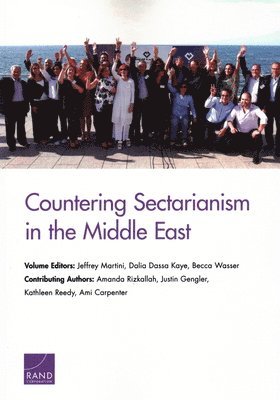
Countering Sectarianism in the Middle East
Av Jeffrey Martini, Dalia Dassa Kaye m. fl.
Häftad, 2019
138 kr
Lägg i varukorg
Scholars and policymakers have sought to understand what drives sectarianism in the Middle East and its relationship to multiple conflicts, but far less attention has been focused on the factors that make a community more resilient to sectarianism. This report provides a better understanding of how …
Beyond the Handshake
Multilateral Cooperation in the Arab-Israeli Peace Process, 1991-1996
Inbunden, 2001
1011 kr
Tillfälligt slut
Arabs and Israelis have battled one another in political and military arenas, seemingly continuously, for some fifty years. The 1991 Madrid Peace Conference sought to change this pattern, launching bilateral and multilateral tracks in the Arab-Israeli peace process. As a result, a broad group of …
Coping with Iran
Confrontation, Containment, or Engagement? : a Conference Report
Av James Dobbins, Sarah Harting m. fl.
Häftad, 2007
357 kr
Tillfälligt slut
Talking to the Enemy
Track Two Diplomacy in the Middle East and South Asia
Häftad, 2007
317 kr
Tillfälligt slut
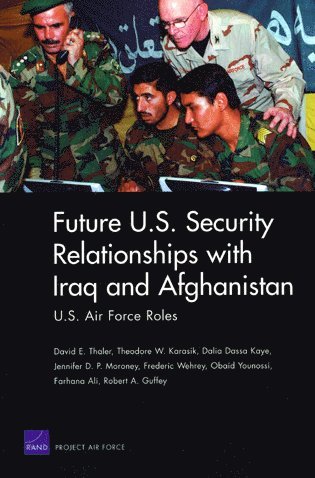
Future U.S. Security Relationship with Iraq and Afghanistan
U.S. Air Force Roles
Av David E. Thaler, Theodore W. Karasik m. fl.
Häftad, 2008
390 kr
Tillfälligt slut
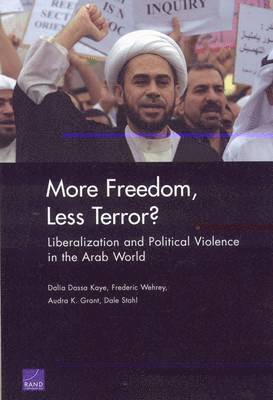
More Freedom, Less Terror?
Liberalization and Political Violence in the Arab World
Av Dalia Dassa Kaye, Frederic Wehrey m. fl.
Häftad, 2009
408 kr
Tillfälligt slut
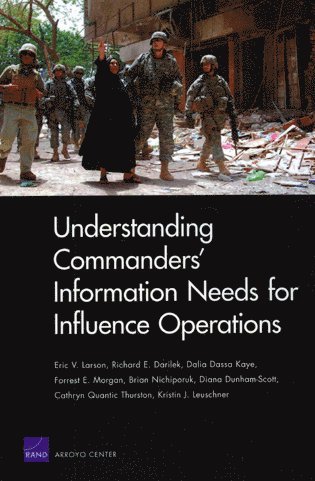
Understanding Commanders' Information Needs for Influence Operations
Av Eric V Larson, Richard E Darilek m. fl.
Häftad, 2009
324 kr
Tillfälligt slut
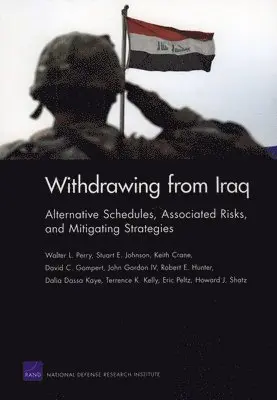
Withdrawing from Iraq
Alternative Schedules, Associated Risks, and Mitigating Strategies
Av Walter L. Perry, Stuart E. Johnson m. fl.
Häftad, 2009
261 kr
Tillfälligt slut
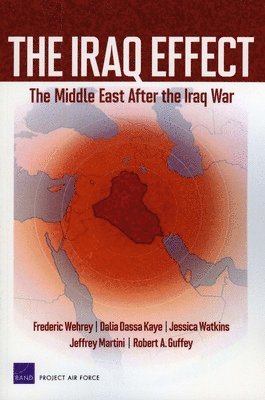
Iraq Effect
The Middle East After the Iraq War
Av Frederic M. Wehrey, Dalia Dassa Kaye m. fl.
Häftad, 2010
420 kr
Tillfälligt slut
Iran's Nuclear Future: Critical U.S. Policy Choices
Av Lynn E. Davis, Jeffrey Martini m. fl.
Häftad, 2011
226 kr
Tillfälligt slut
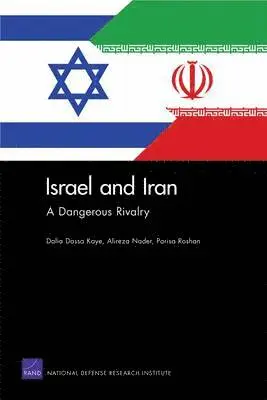
Israel and Iran
A Dangerous Rivalry
Av Dalia Dassa Kaye, Alireza Nader m. fl.
Häftad, 2012
247 kr
Tillfälligt slut
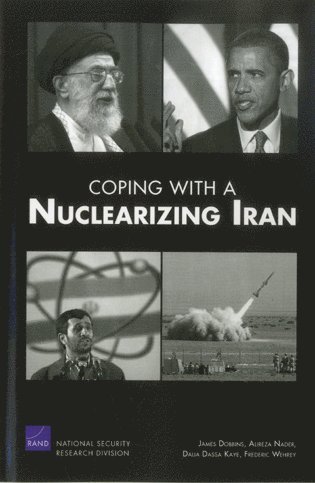
Coping with a Nuclearizing Iran
Av James Dobbins, Alireza Nader m. fl.
Häftad, 2011
259 kr
Tillfälligt slut
Artists and the Arab Uprisings
Av Lowell H. Schwartz, Dalia Dassa Kaye m. fl.
Häftad, 2013
305 kr
Tillfälligt slut
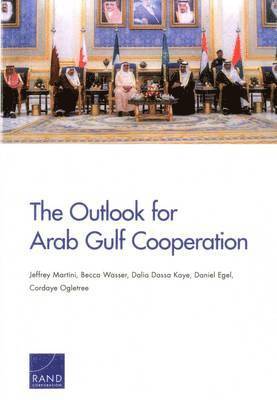
Outlook for Arab Gulf Cooperation
Av Jeffrey Martini, Becca Wasser m. fl.
Häftad, 2016
267 kr
Tillfälligt slut
Reimagining U.S. Strategy in the Middle East
Sustainable Partnerships, Strategic Investments
Av Dalia Dassa Kaye, Linda Robinson m. fl.
Häftad, 2021
435 kr
Tillfälligt slut