Danica Fink-Hafner – författare
Visar alla böcker från författaren Danica Fink-Hafner. Handla med fri frakt och snabb leverans.
4 produkter
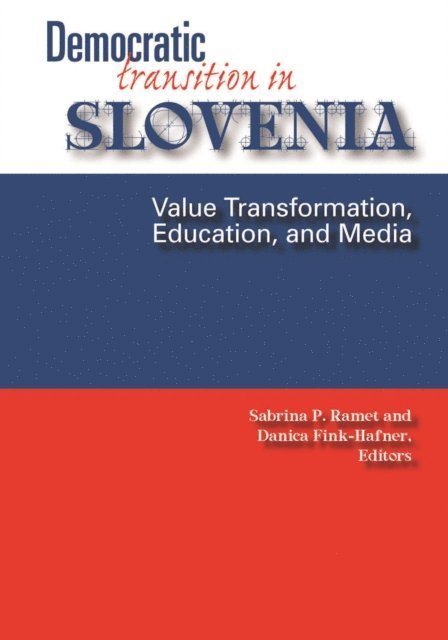
Democratic Transition in Slovenia
Value Transformation, Education, and Media
Av Danica Fink-Hafner, Sabrina P. Ramet
E-bok, 2006
184 kr
Lägg i varukorg
The first of the Yugoslav successor states to successfully build a democratic system and to enter the European Union, Slovenia stands as a model for democratic transition. This ground-breaking volume analyzes the challenges confronting the post-Communist government and evaluates the strategies …
Party System Changes and Challenges to Democracy
Slovenia in a Comparative Perspective
Inbunden, 2024
443 kr
Lägg i varukorg
This open access book focuses on the nexus between “party system stability” and “democratic consolidation”, using Slovenia as a case study. Its findings are presented from a comparative perspective to illustrate the commonalities and differences found in research on Central European post-socialist …
Small States, Big Challenges
Norway and Slovenia in Comparative Perspective
Av Danica Fink-Hafner, Sabrina P. Ramet m. fl.
E-bok, 2016
908 kr
Lägg i varukorg
Norwegen und Slowenien gehören hinsichtlich der Einwohnerzahl beide zu den kleinen Ländern Europas. Das Buch vergleicht die Herausforderungen und Möglichkeiten der beiden Demokratien in mehreren Politikfeldern, z.B. nationale Politik und Volkswirtschaft, Medien, Religion, Geschichtsbildung, …
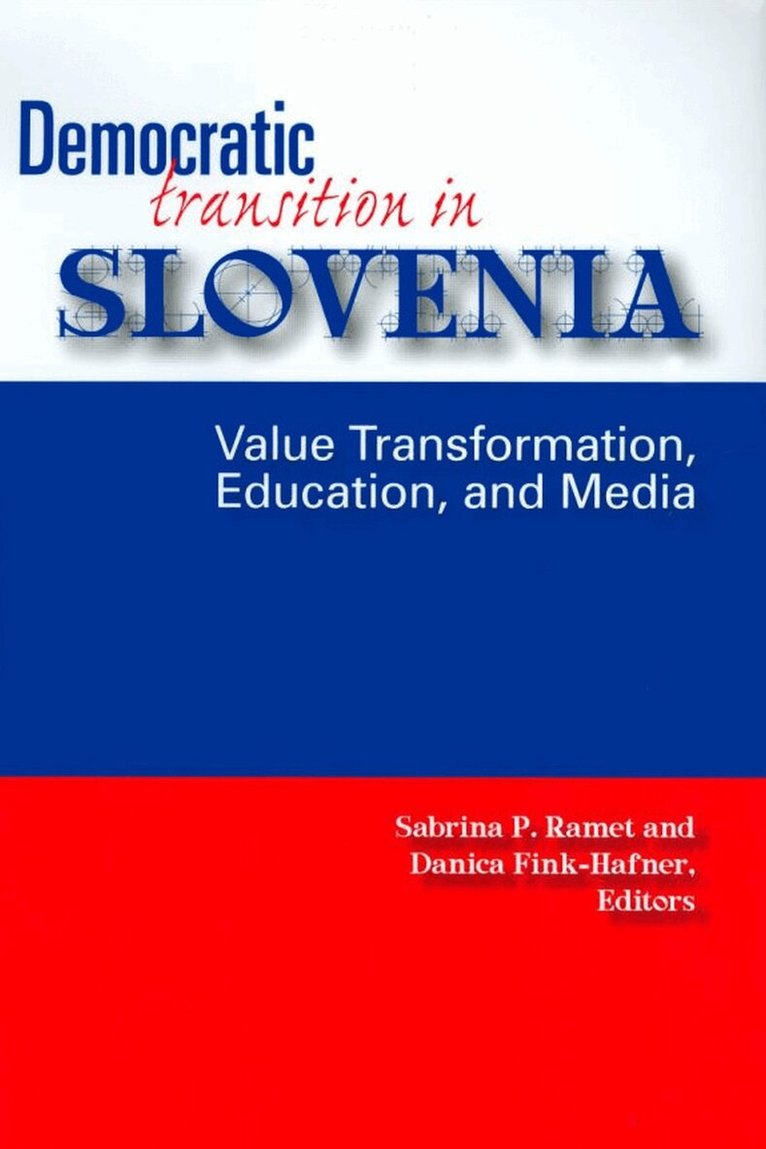
Democratic Transition in Slovenia
Value Transformation, Education, and Media
Av Sabrina P. Ramet, Danica Fink-Hafner
Inbunden, 2006
468 kr
Tillfälligt slut
The first of the Yugoslav successor states to succeed in building a democratic system and to enter the European Union, Slovenia stands as a model for democratic transition. Here, Ramet and Fink-Hafner have assembled a team of outstanding specialists to analyze various aspects of the country's …