Daniel Barolsky - Böcker
Visar alla böcker från författaren Daniel Barolsky. Handla med fri frakt och snabb leverans.
3 produkter
3 produkter
308 kr
Skickas inom 3-6 vardagar
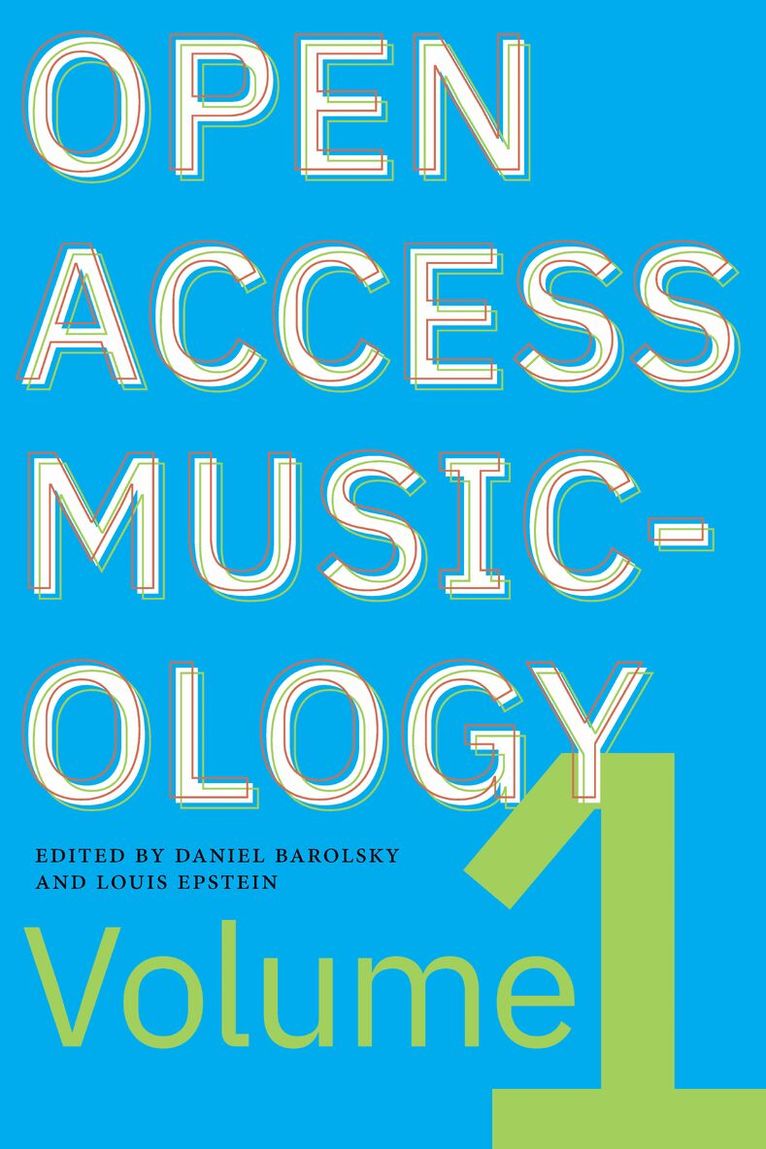
In the fall of 2015, a collection of faculty at liberal arts colleges began a conversation about the challenges we faced as instructors: Why were there so few course materials accessible to undergraduates and lay readers that reflected current scholarly debate? How can we convey the relevance of studying music history to current and future generations of students? And how might we represent and reflect the myriad, often conflicting perspectives, positions, and identities that make up both music’s history and the writers of history?Here we offer one response to those questions. Open Access Musicology is a collection of essays, written in an accessible style and with a focus on modes of inquiry rather than content coverage. Our authors draw from their experience as scholars but also as teachers. They have been asked to describe why they became musicologists in the first place and how their individual paths led to the topics they explore and the questions they pose. Like most scholarly literature, the essays have all been reviewed by experts in the field. Unlike all scholarly literature, the essays have also been reviewed by students at a variety of institutions for clarity and relevance.These essays are intended for undergraduates, graduate students, and interested readers without any particular expertise. They can be incorporated into courses on a range of topics as standalone readings or used to supplement textbooks. The topics introduce and explore a variety of subjects, practices, and methods but, above all, seek to stimulate classroom discussion on music history’s relevance to performers, listeners, and citizens.
334 kr
Skickas inom 3-6 vardagar
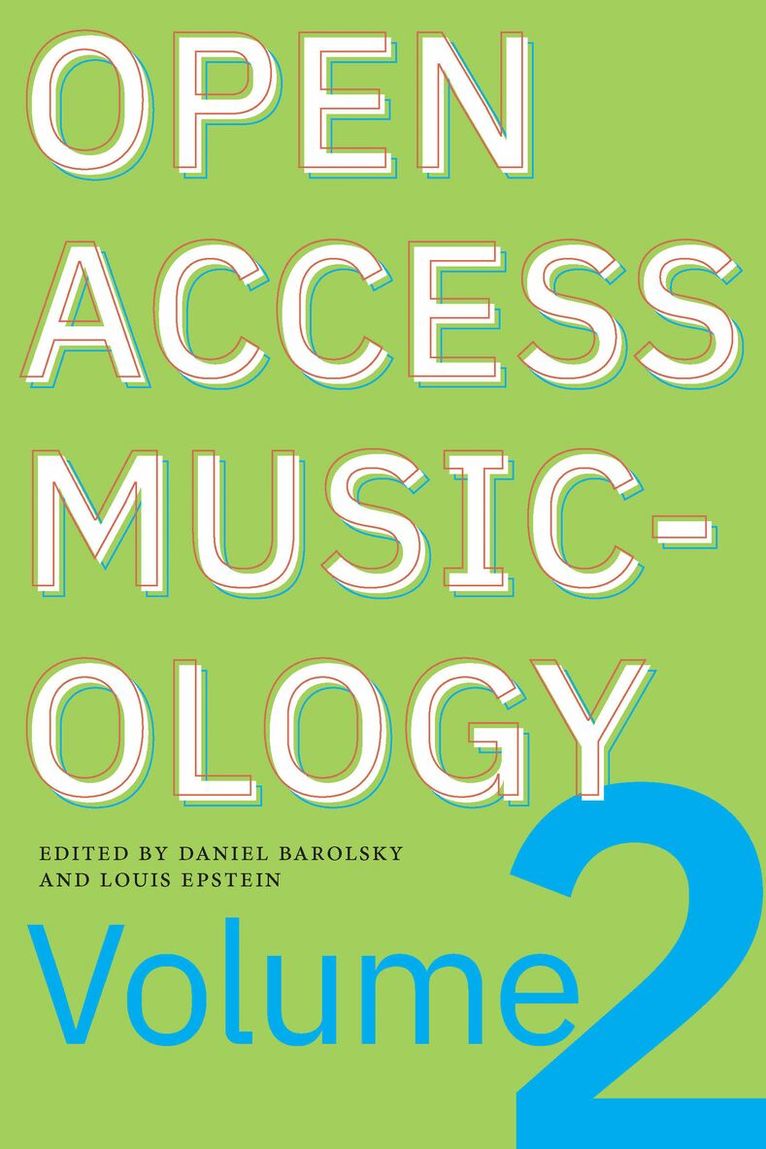
Open Access Musicology (OAM) publishes peer-reviewed, scholarly essays primarily intended to serve students and teachers of music history, ethno/musicology, and music studies. The constantly evolving collection ensures that recent research and scholarship inspires classroom practice. OAM essays provide diverse and methodologically transparent models for student research, and they introduce different modes of inquiry to inspire classroom discussion and varied assignments. Addressing a range of histories, methods, voices, and sounds, OAM embraces changes and tensions in the field to help students understand music scholarship.In service of our student- and access-centered mission, Open Access Musicology is a free collection of essays, written in an engaging style and with a focus on modes of inquiry rather than coverage of content. Our authors draw from their experience as scholars but also as teachers. They not only make arguments, but also describe why they became musicologists in the first place and explain how their individual paths led to the topics they explore. Like most scholarly literature, the essays have all been reviewed by experts in the field. Unlike most scholarly literature, the essays have also been reviewed by students at a variety of institutions for clarity and relevance. These essays are intended for undergraduates, graduate students, and interested readers without any particular expertise. They can be incorporated into courses on a range of topics as standalone readings, used to supplement textbooks, or read with an eye to new scholarly insights. The topics introduce and explore a variety of subjects, practices, and methods but, above all, seek to stimulate classroom discussion on music history’s relevance to performers, listeners, and citizens. Open Access Musicology will never pretend to present complete histories, cover all elements of a subject, or satisfy the agenda of every reader. Rather, each essay provides an opening to further contemplation and study. We invite readers to follow the thematic links between essays, pursue notes or other online resources provided by authors, or simply repurpose the essay’s questions into new and exciting forms of research and creativity. Volume 2 of OAM expands the disciplinary, topical, and geographical ranges of our endeavor, with essays that rely on ethnographic and music theoretical methods as well as historical ones. The essays in this volume touch on music from Europe, South America, and Asia, spanning the 16th century to the present. Throughout, the contributing authors situate music in political, religious, racial, economic, and other cultural and disciplinary contexts. This volume therefore expands what scholars generally mean when they refer to “musicology” and “music,” always with an eye toward relevance and accessibility.
255 kr
Skickas inom 7-10 vardagar
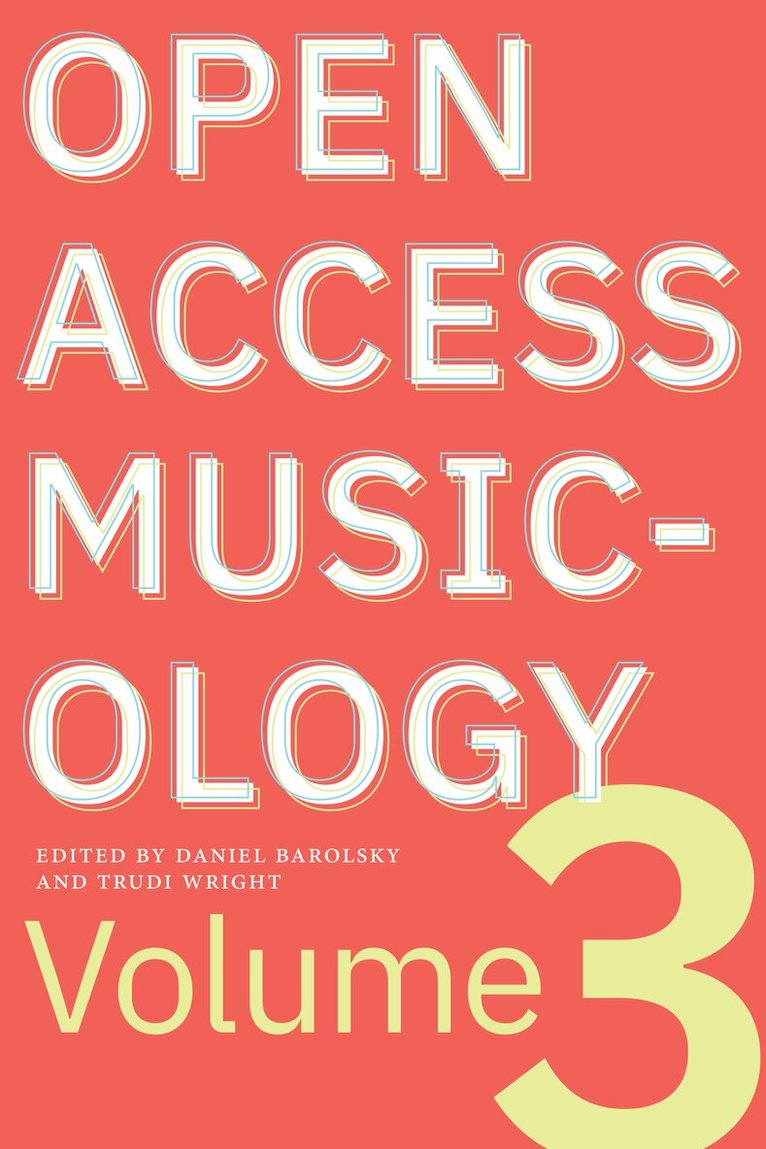
Open Access Musicology (OAM) publishes peer-reviewed, scholarly essays primarily intended to serve students and teachers of music history, ethno/musicology, and music studies. The constantly evolving collection ensures that recent research and scholarship inspires classroom practice. OAM essays provide diverse and methodologically transparent models for student research, and introduce different modes of inquiry to inspire classroom discussion and varied assignments. Addressing a range of histories, methods, voices, and sounds, OAM embraces changes and tensions in the field to help students understand music scholarship.These essays are intended for undergraduates, graduate students, and interested readers without any particular expertise. The topics introduce and explore a variety of subjects, practices, and methods but, above all, seek to stimulate classroom discussion on music history’s relevance to performers, listeners, and citizens. Open Access Musicology will never pretend to present complete histories, cover all elements of a subject, or satisfy the agenda of every reader. Rather, each essay provides an opening to further contemplation and study. The third volume of Open Access Musicology presents provocative case studies and analyses through which readers can choose their own path while also putting these essays in conversations from those in previous volumes of OAM. This new volume challenges us to ask difficult questions about the place and function of music in our societies, on our stages, and in our institutions. The authors demonstrate ways in which the past can be re-imagined as well as the ways legacies of the past are inscribed in present-day practices, structures, histories, and beliefs. We invite readers to follow the thematic links between essays, pursue notes and other online resources, or simply repurpose the essay’s questions into new and exciting forms of research and creativity.