Daniel Boyarin – författare
174 kr
Skickas inom 5-8 vardagar
831 kr
Skickas inom 5-8 vardagar
290 kr
Skickas inom 5-8 vardagar
604 kr
Läs direkt efter köp
1 339 kr
Skickas inom 5-8 vardagar
340 kr
Skickas inom 5-8 vardagar
497 kr
Läs direkt efter köp
215 kr
Skickas inom 10-15 vardagar
252 kr
Skickas inom 5-8 vardagar
Carnal Israel
Reading Sex in Talmudic Culture
256 kr
Skickas inom 5-8 vardagar
Unheroic Conduct
The Rise of Heterosexuality and the Invention of the Jewish Man
290 kr
Skickas inom 5-8 vardagar
Radical Jew
Paul and the Politics of Identity
273 kr
Skickas inom 5-8 vardagar
1 337 kr
Skickas inom 10-15 vardagar
321 kr
Skickas inom 5-8 vardagar
553 kr
Läs direkt efter köp
381 kr
Skickas inom 10-15 vardagar
1 115 kr
Skickas inom 10-15 vardagar
339 kr
Skickas inom 10-15 vardagar
474 kr
Läs direkt efter köp
417 kr
Skickas inom 5-8 vardagar
1 701 kr
Skickas inom 5-8 vardagar
280 kr
Skickas inom 5-8 vardagar
274 kr
Skickas inom 5-8 vardagar
1 510 kr
Skickas inom 5-8 vardagar
464 kr
Skickas inom 10-15 vardagar
151 kr
Läs direkt efter köp
The Talmud - A Personal Take
Selected Essays
3 260 kr
Skickas inom 5-8 vardagar
Die Judischen Evangelien: Die Geschichte Des Judischen Christus
319 kr
Skickas inom 3-6 vardagar
260 kr
Läs direkt efter köp
217 kr
Lyssna direkt efter köp
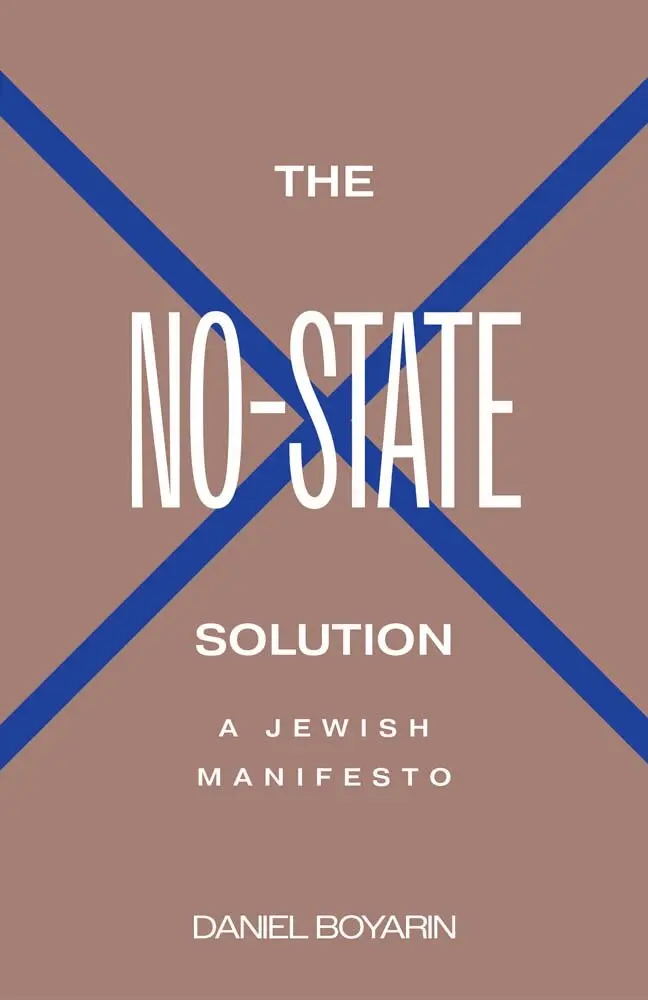
A provocative manifesto arguing for a new understanding of the Jews’ peoplehood
Today there are two seemingly mutually exclusive notions of what “the Jews” are: either a religion or a nation/ethnicity. The widespread conception is that the Jews were formerly either a religious community in exile or a nation based on Jewish ethnicity. The latter position is commonly known as “Zionism,” and all articulations of a political theory of Zionism are taken to be variations of that view.
In this provocative audiobook, based on his decades of study of the history of the Jews, Daniel Boyarin lays out the problematic aspects of this binary opposition and offers the outlines of a different—and very old—answer to the question of the identity of a diaspora nation. He aims to drive a wedge between the “nation” and the “state,” only very recently conjoined, and recover a robust sense of nationalism that does not involve sovereignty.