Daniel Branch – författare
Visar alla böcker från författaren Daniel Branch. Handla med fri frakt och snabb leverans.
12 produkter
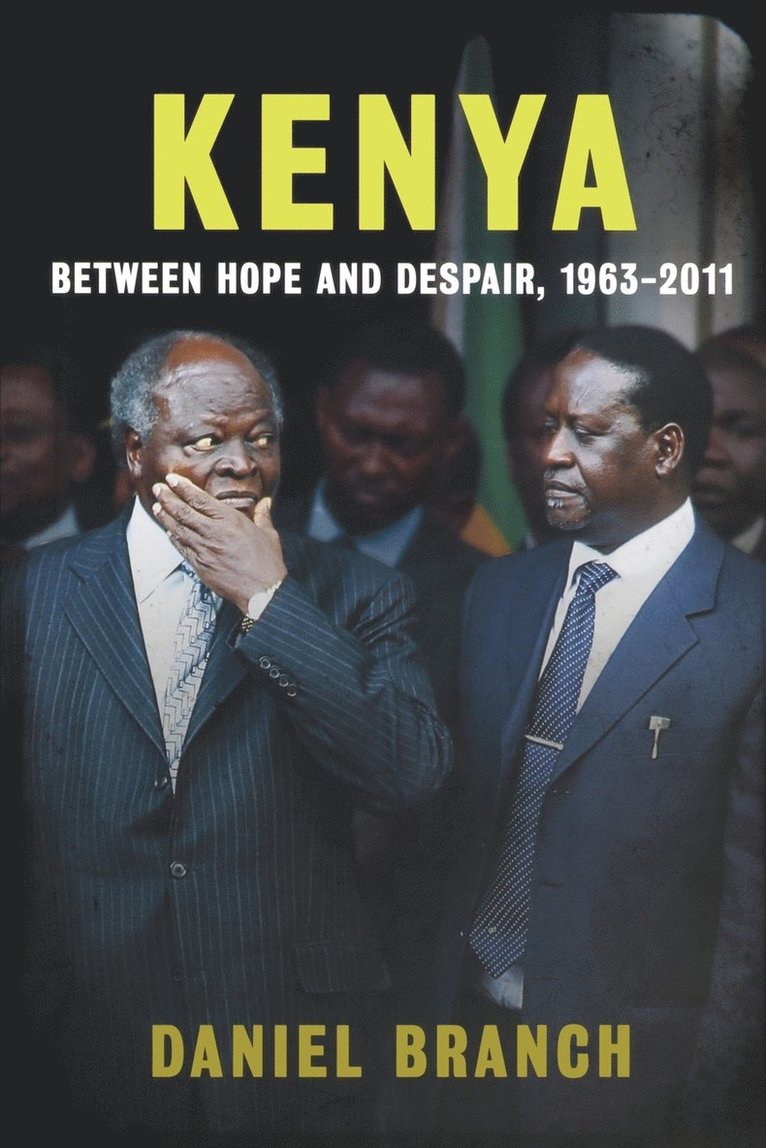
Kenya
Between Hope and Despair, 1963-2011
Häftad, 2013
619 kr
Lägg i varukorg
On December 12, 1963, people across Kenya joyfully celebrated independence from British colonial rule, anticipating a bright future of prosperity and social justice. As the nation approached the fiftieth anniversary of its independence, however, the people's dream remained elusive. During its first …
Allies at the End of Empire
Loyalists, Nationalists and the Cold War, 1945-76
Av David M. Anderson, Daniel Branch
Häftad, 2019
772 kr
Lägg i varukorg
The wars of decolonization fought by European colonial powers after 1945 had their origins in the fraught history of imperial domination, but were framed and shaped by the emerging politics of the Cold War. In all the counter-insurgencies mounted against armed nationalist risings in this period, …
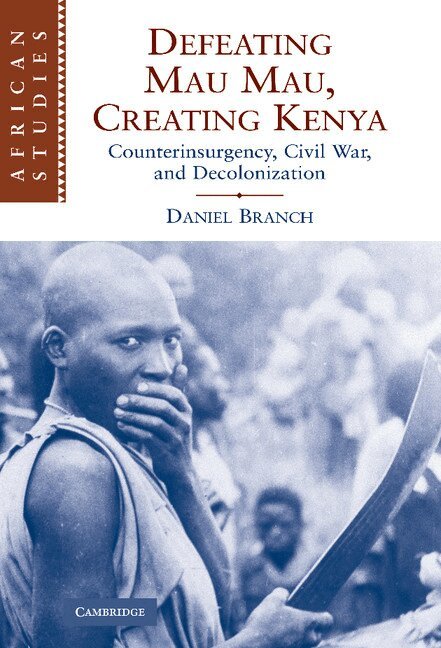
Defeating Mau Mau, Creating Kenya
Counterinsurgency, Civil War, and Decolonization
Inbunden, 2009
1391 kr
Lägg i varukorg
This book details the devastating Mau Mau civil war fought in Kenya during the 1950s and the legacies of that conflict for the post-colonial state. As many Kikuyu fought with the colonial government as loyalists joined the Mau Mau rebellion. Focusing on the role of those loyalists, the book …
Defeating Mau Mau, Creating Kenya
Counterinsurgency, Civil War, and Decolonization
Häftad, 2009
435 kr
Lägg i varukorg
This book details the devastating Mau Mau civil war fought in Kenya during the 1950s and the legacies of that conflict for the post-colonial state. As many Kikuyu fought with the colonial government as loyalists joined the Mau Mau rebellion. Focusing on the role of those loyalists, the book …
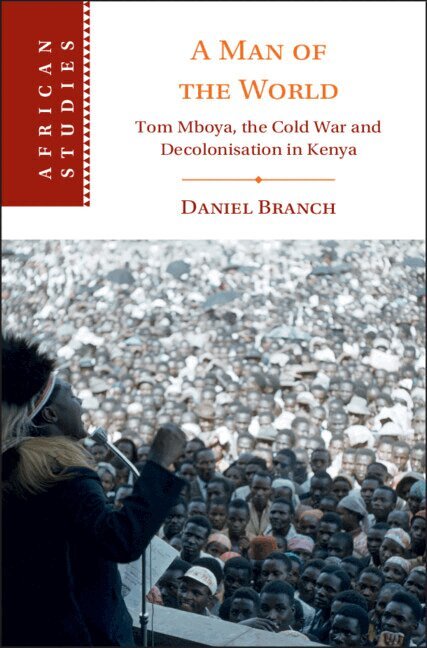
A Man of the World
Tom Mboya, the Cold War and Decolonization in Kenya
Inbunden, 2026
1526 kr
Lägg i varukorg
Tom Mboya was one of the most important global political figures of the age of decolonisation. Widely acknowledged to be a member of the top tier of African nationalist leaders, he was also one of Kenya's founding fathers. Using Mboya's papers in addition to several other archives, Daniel Branch …
A Man of the World
Tom Mboya, the Cold War and Decolonization in Kenya
Häftad, 2026
448 kr
Lägg i varukorg
Tom Mboya was one of the most important global political figures of the age of decolonisation. Widely acknowledged to be a member of the top tier of African nationalist leaders, he was also one of Kenya's founding fathers. Using Mboya's papers in addition to several other archives, Daniel Branch …
Allies at the End of Empire
Loyalists, Nationalists and the Cold War, 1945-76
Av David M. Anderson, Daniel Branch
Inbunden, 2017
2586 kr
Lägg i varukorg
The wars of decolonization fought by European colonial powers after 1945 had their origins in the fraught history of imperial domination, but were framed and shaped by the emerging politics of the Cold War. In all the counter-insurgencies mounted against armed nationalist risings in this period, …
Allies at the End of Empire
Loyalists, Nationalists and the Cold War, 1945-76
Av Daniel Branch, David M. Anderson
E-bok, 2017
890 kr
Lägg i varukorg
The wars of decolonization fought by European colonial powers after 1945 had their origins in the fraught history of imperial domination, but were framed and shaped by the emerging politics of the Cold War. In all the counter-insurgencies mounted against armed nationalist risings in this period, …
Allies at the End of Empire
Loyalists, Nationalists and the Cold War, 1945-76
Av Daniel Branch, David M. Anderson
E-bok, 2017
910 kr
Lägg i varukorg
The wars of decolonization fought by European colonial powers after 1945 had their origins in the fraught history of imperial domination, but were framed and shaped by the emerging politics of the Cold War. In all the counter-insurgencies mounted against armed nationalist risings in this period, …
Beyond Federation
Ideas and Practices of East African Regionalism in a National and Global Age, 1950–1975
Av Emma Hunter, Daniel Branch m. fl.
Inbunden, 2025
1071 kr
Lägg i varukorg
In the period of mid-twentieth-century decolonization, when nationalism and globalism were hotly contested, East Africans nurtured regionalism in their intellectual and creative work. This book looks beyond political projects of federation to recover ideas and practices of regionalism, their …