Daniel Hood – författare
Visar alla böcker från författaren Daniel Hood. Handla med fri frakt och snabb leverans.
7 produkter
7 produkter
Häftad, Engelska, 2024
584 kr
Skickas inom 10-15 vardagar
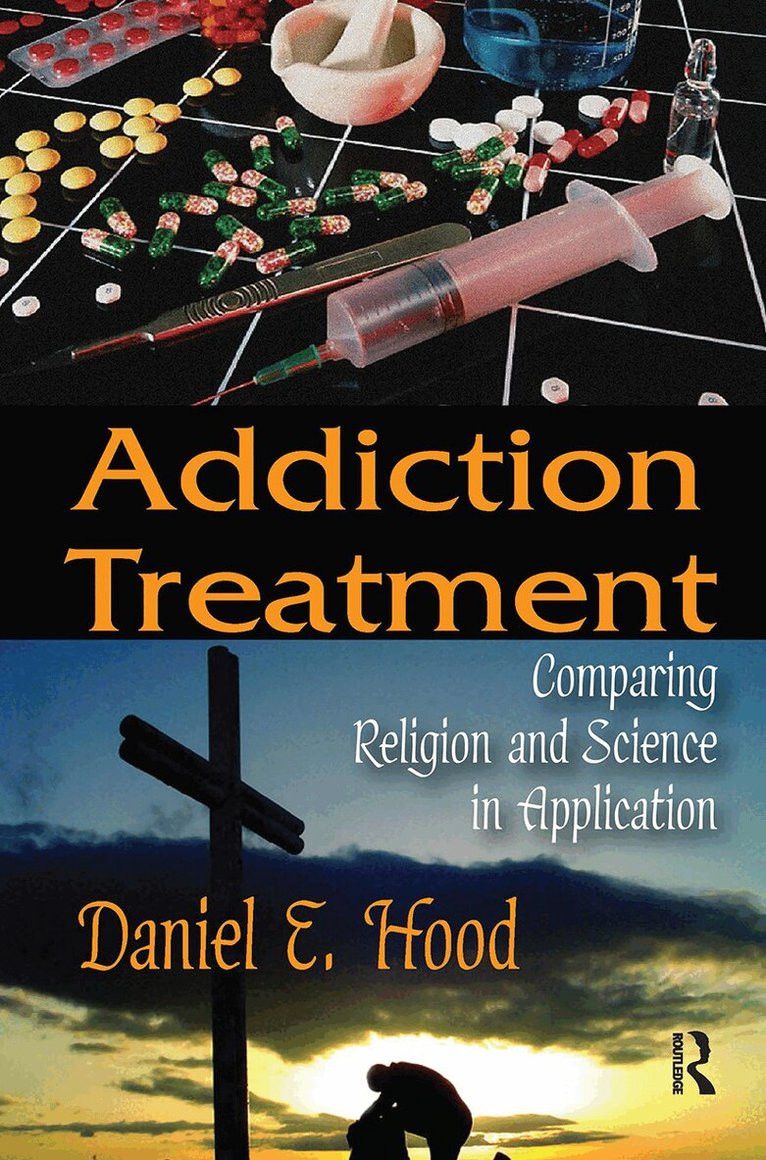
Addiction Treatment is an ethnography that compares two types of residential drug-free treatment programs—religious, faith-based programs and science-based, secular programs. Although these programs have originated from significantly different ideological bases, in examining the day-to-day operations of each, Daniel E. Hood concludes that they are far more alike than they are different.Drug-free treatment today, whether in secular or religious form, is little more than a remnant of the temperance movement. It is a warning to stop using drugs. At its best, treatment provides practical advice and support for complete abstinence. At its worst, it demeans users for a form of behavior that is not well understood and threatens death if they do not stop. Hood argues that there is no universal agreement on what addiction is and that drug abuse is little more than a catch-all term of no specific meaning used to condemn behavior that is socially unacceptable.Through extensive participatory observations, intimate life history interviews, and informal conversations with residents and staff, Hood shows how both programs use the same basic techniques of ideological persuasion (mutual witnessing), methods of social control (discourse deprivation), and the same proposed zero tolerance, abstinent lifestyle (Christian living vs. Right living) as they endeavor to transform clients from addicts to citizens or from sinners to disciples.
Häftad, Engelska, 2017
460 kr
Skickas inom 10-15 vardagar
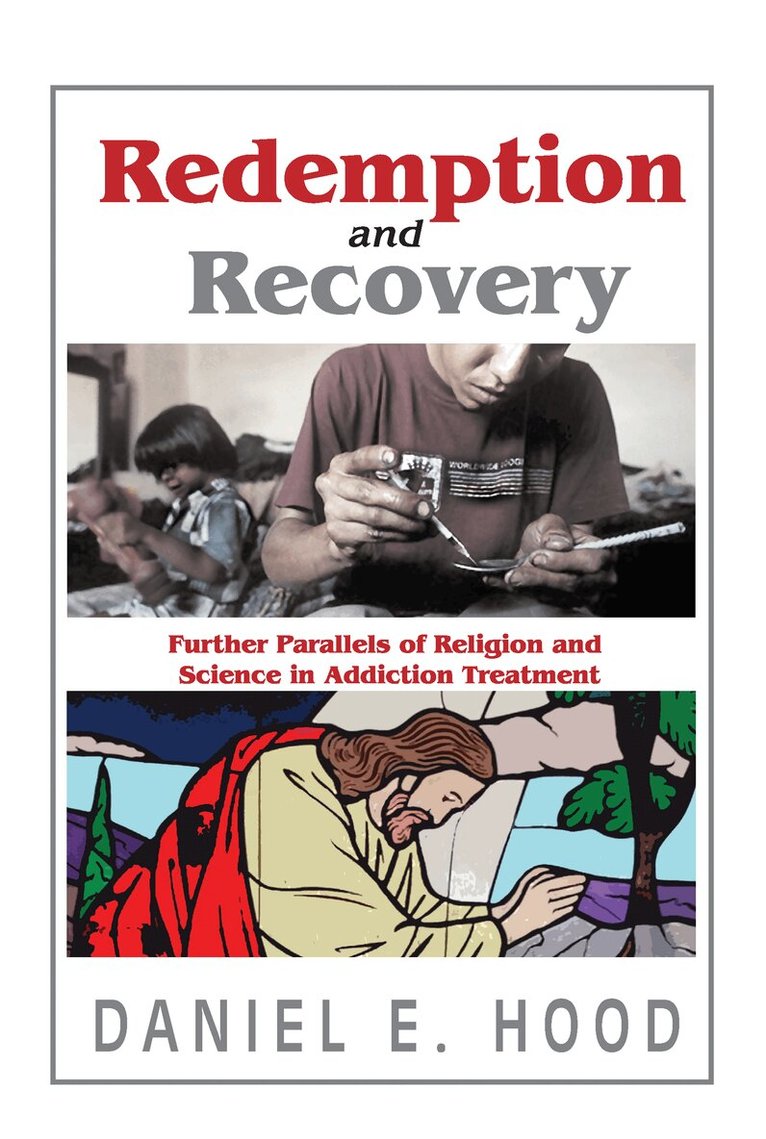
This ethnography continues the "thick description" of faith-based and science-based drug programs begun in Addiction Treatment. Using extensive interviews and his own participation in daily rounds of treatment, Hood provides a vivid comparison of resident experience at each type of institution.Redemption and Recovery tells the stories of two houses in the Bronx, NY that serve people with drug problems: "Redemption House" and "Recovery House." These stories include the direct accounts of residents' "druggin'" lives before treatment and their search for normalcy after recovery or redemption. Other chapters dissect the religion of science-based treatment and compare success rates, religious vs. secular.Addiction Treatment had detailed a similar process of personal conversion central to both treatments. This sequel uses the "contextualized demographics" of residents to uncover profound parallels between the two "unique" programs and debunk their shared ideology of abstinence.
Häftad, Engelska, 2017
681 kr
Skickas inom 10-15 vardagar
Over the past five hundred years, historians and other social scientists have perceived an extraordinary occurance: the transition from the Middle Ages, via the Renaissance, to modernity. Equally remarkable has been the transition taking place in the last fifty years from modernity to globalization, a period marked by increasing interdependency and interconnectivity, as evidenced by events such as the advent of the computer. Bruce Mazlish argues that in order to understand ourselves in the world today we need to know more about the nature of both concepts.Mazlish discusses the transition in terms of "reflections." Rather than adding to the enormous amount of archival research that already exists, he instead examines slices of modernity the way of seeing, the sense of self, for example as if under a microscope. He sees modernity as strongly marked by its insistence on freedom of political and religious thought and the rights of man (later expanded to include women). Such changes did not happen all at once, but as a gradual development. While some prefer to contemplate the transition from the modern to the global as a continuous, seamless development, Mazlish argues that post-WWII developments are best understood in terms of a break or a "rupture."Illustrating that the process was further accelerated by the computer revolution and the launching of artificial satellites, Mazlish places the events of 1989 in the framework of globalization. He concludes by inquiring further into the significance of the transition from modernity to globalization and its impact upon thought and identity.
Inbunden, Engelska, 2011
2 138 kr
Skickas inom 10-15 vardagar
Addiction Treatment is an ethnography that compares two types of residential drug-free treatment programs—religious, faith-based programs and science-based, secular programs. Although these programs have originated from significantly different ideological bases, in examining the day-to-day operations of each, Daniel E. Hood concludes that they are far more alike than they are different.Drug-free treatment today, whether in secular or religious form, is little more than a remnant of the temperance movement. It is a warning to stop using drugs. At its best, treatment provides practical advice and support for complete abstinence. At its worst, it demeans users for a form of behavior that is not well understood and threatens death if they do not stop. Hood argues that there is no universal agreement on what addiction is and that drug abuse is little more than a catch-all term of no specific meaning used to condemn behavior that is socially unacceptable.Through extensive participatory observations, intimate life history interviews, and informal conversations with residents and staff, Hood shows how both programs use the same basic techniques of ideological persuasion (mutual witnessing), methods of social control (discourse deprivation), and the same proposed zero tolerance, abstinent lifestyle (Christian living vs. Right living) as they endeavor to transform clients from addicts to citizens or from sinners to disciples.
Inbunden, Engelska, 2011
1 352 kr
Skickas inom 10-15 vardagar
This ethnography continues the "thick description" of faith-based and science-based drug programs begun in Addiction Treatment. Using extensive interviews and his own participation in daily rounds of treatment, Hood provides a vivid comparison of resident experience at each type of institution.Redemption and Recovery tells the stories of two houses in the Bronx, NY that serve people with drug problems: "Redemption House" and "Recovery House." These stories include the direct accounts of residents' "druggin'" lives before treatment and their search for normalcy after recovery or redemption. Other chapters dissect the religion of science-based treatment and compare success rates, religious vs. secular.Addiction Treatment had detailed a similar process of personal conversion central to both treatments. This sequel uses the "contextualized demographics" of residents to uncover profound parallels between the two "unique" programs and debunk their shared ideology of abstinence.
Inbunden, Engelska, 2013
2 138 kr
Skickas inom 10-15 vardagar
Over the past five hundred years, historians and other social scientists have perceived an extraordinary occurance: the transition from the Middle Ages, via the Renaissance, to modernity. Equally remarkable has been the transition taking place in the last fifty years from modernity to globalization, a period marked by increasing interdependency and interconnectivity, as evidenced by events such as the advent of the computer. Bruce Mazlish argues that in order to understand ourselves in the world today we need to know more about the nature of both concepts.Mazlish discusses the transition in terms of "reflections." Rather than adding to the enormous amount of archival research that already exists, he instead examines slices of modernity—the way of seeing, the sense of self, for example—as if under a microscope. He sees modernity as strongly marked by its insistence on freedom of political and religious thought and the rights of man (later expanded to include women). Such changes did not happen all at once, but as a gradual development. While some prefer to contemplate the transition from the modern to the global as a continuous, seamless development, Mazlish argues that post-WWII developments are best understood in terms of a break or a "rupture."Illustrating that the process was further accelerated by the computer revolution and the launching of artificial satellites, Mazlish places the events of 1989 in the framework of globalization. He concludes by inquiring further into the significance of the transition from modernity to globalization and its impact upon thought and identity.
Häftad, Engelska
279 kr
Skickas inom 3-6 vardagar