2 421 kr
Skickas inom 10-15 vardagar
2 421 kr
Skickas inom 10-15 vardagar
695 kr
Skickas inom 10-15 vardagar
293 kr
Skickas inom 3-6 vardagar
822 kr
Läs direkt efter köp
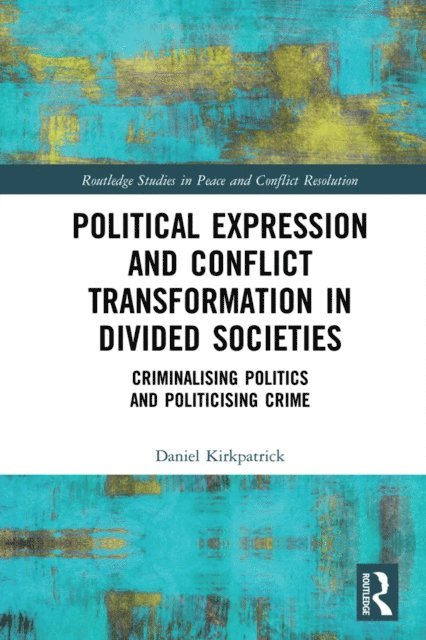
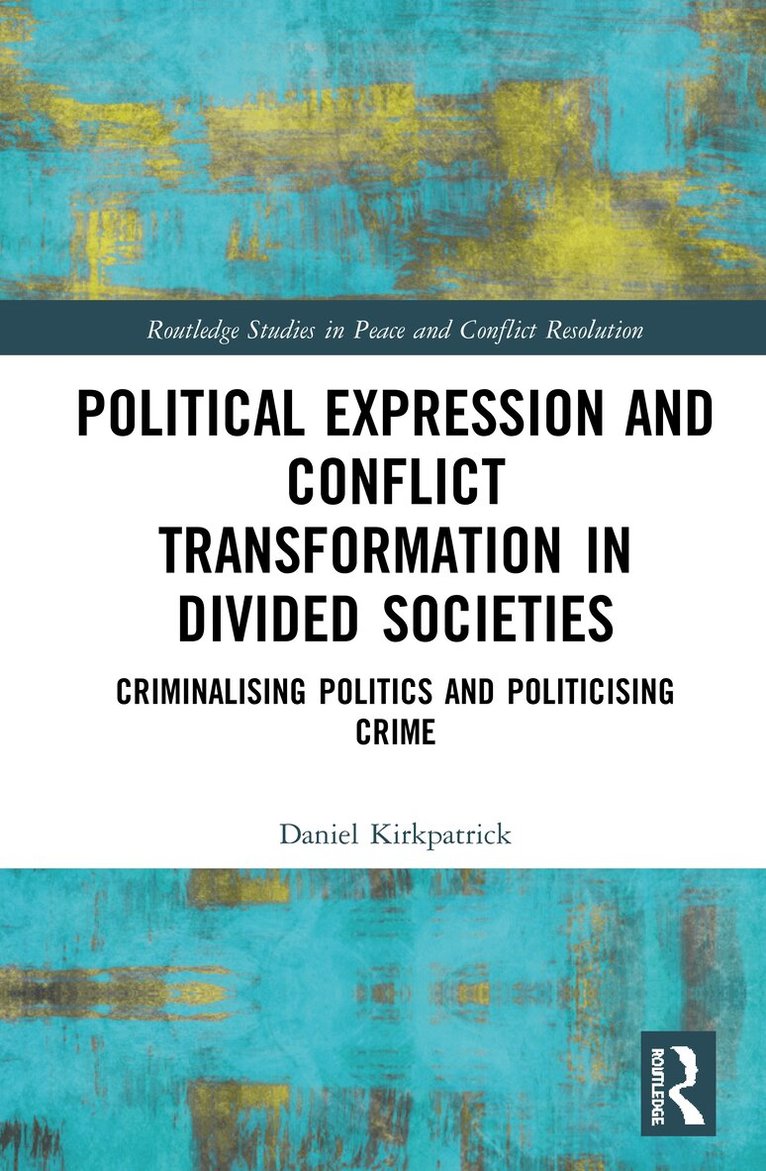
This book considers how the social construction of crime and the criminalising of political expression impact upon different stages in a violent political conflict.
The freedom to express our political opinions is regarded as an essential human right throughout most of the world, and yet, in defence of our security, governments often place various restrictions on it. This book directly considers what these restrictions are in the context of deeply divided societies to understand how they impact upon intergroup relations in four different contexts: nonviolent movements, counter-insurgency, peace negotiations, and post-settlement peacebuilding. Drawing on an extensive body of original interviews and archival material, the volume analyses this relationship through an in-depth consideration of Northern Ireland and South Africa, followed by a wider analysis of Turkey, Sri Lanka, Belgium, and Canada. The overarching argument is that the implications of criminalising political expression depend on both its ‘target’ and the wider social reality it contributes towards.
This book will be of much interest to students of conflict resolution, transitional justice, law, and International Relations.
822 kr
Läs direkt efter köp
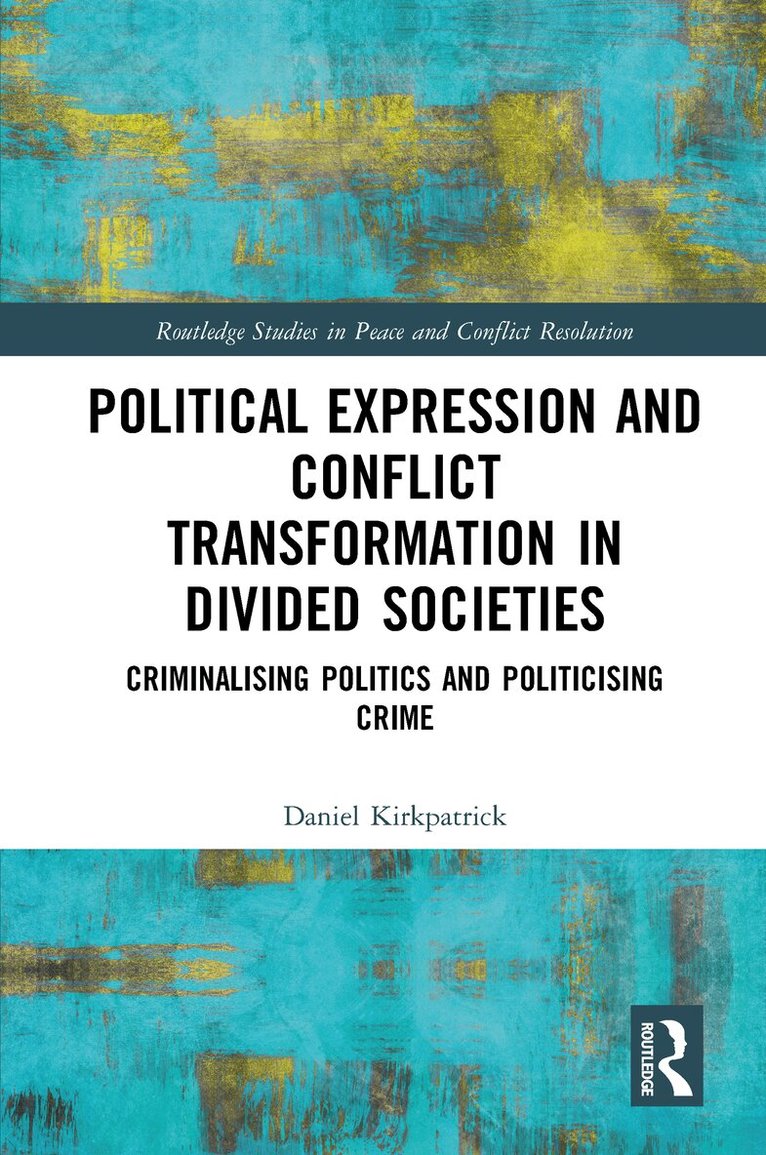
This book considers how the social construction of crime and the criminalising of political expression impact upon different stages in a violent political conflict.
The freedom to express our political opinions is regarded as an essential human right throughout most of the world, and yet, in defence of our security, governments often place various restrictions on it. This book directly considers what these restrictions are in the context of deeply divided societies to understand how they impact upon intergroup relations in four different contexts: nonviolent movements, counter-insurgency, peace negotiations, and post-settlement peacebuilding. Drawing on an extensive body of original interviews and archival material, the volume analyses this relationship through an in-depth consideration of Northern Ireland and South Africa, followed by a wider analysis of Turkey, Sri Lanka, Belgium, and Canada. The overarching argument is that the implications of criminalising political expression depend on both its ‘target’ and the wider social reality it contributes towards.
This book will be of much interest to students of conflict resolution, transitional justice, law, and International Relations.

386 kr
Skickas inom 5-8 vardagar
621 kr
Läs direkt efter köp
601 kr
Skickas inom 5-8 vardagar