Daniel L. Costa – författare
Visar alla böcker från författaren Daniel L. Costa. Handla med fri frakt och snabb leverans.
6 produkter
Air Pollutants and the Respiratory Tract
Av W. Michael Foster, Daniel L. Costa
Häftad, 2019
1041 kr
Lägg i varukorg
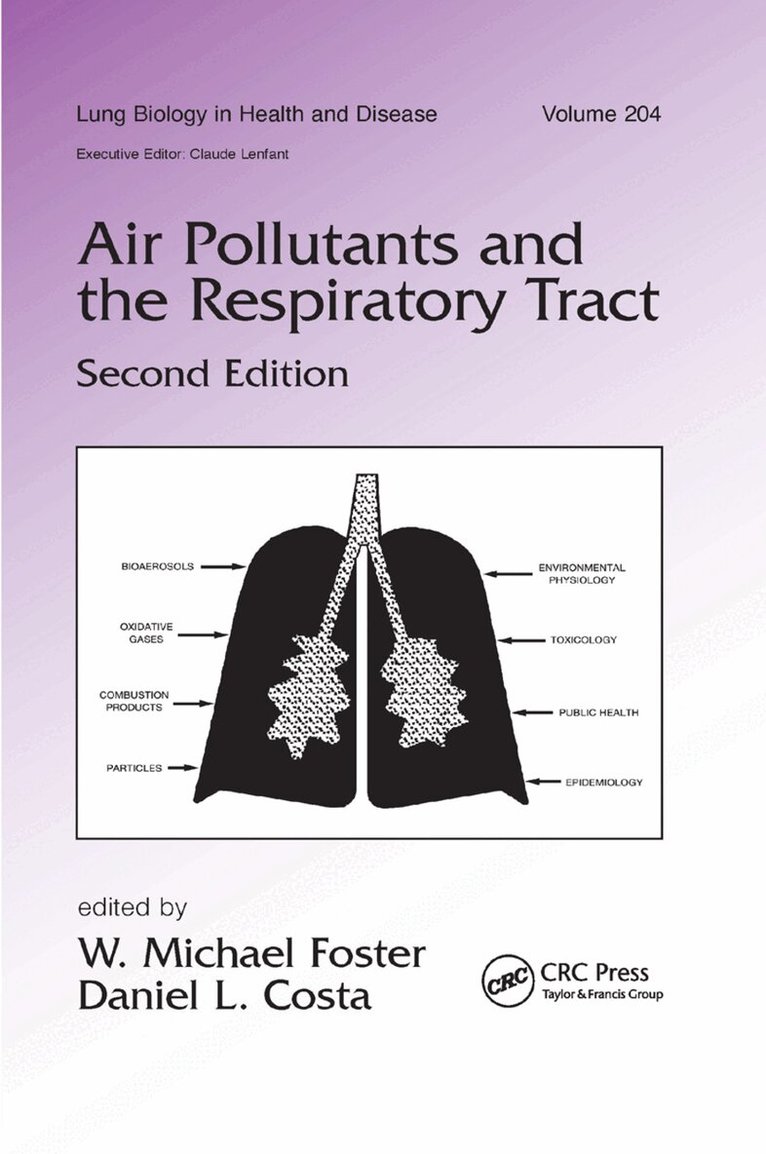
Emphasizing the impact of air toxins and contaminants on human health, this Second Edition examines the latest research from the epidemiology to the cellular mechanisms underlying cardiopulmonary responses to air pollution. This guide offers chapters that address the basic biology, techniques, and …
Air Pollutants and the Respiratory Tract
Av W. Michael Foster, Daniel L. Costa
Inbunden, 2005
3155 kr
Lägg i varukorg
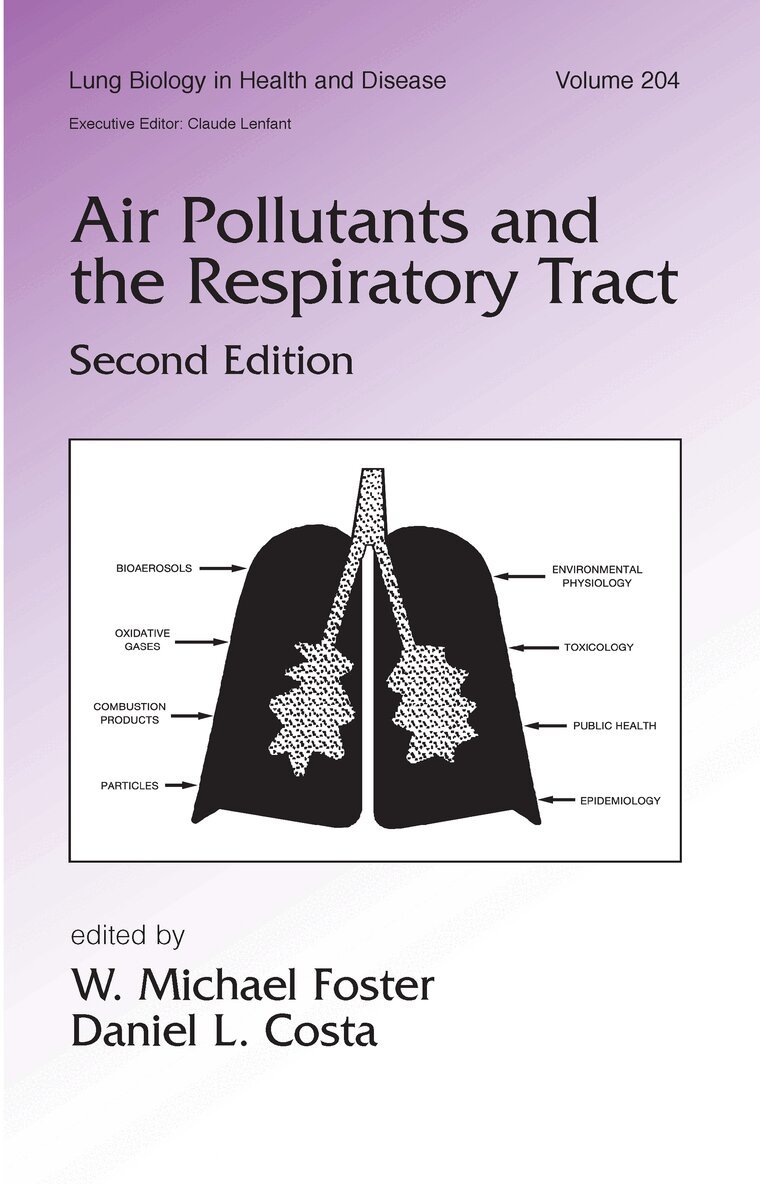
Emphasizing the impact of air toxins and contaminants on human health, this Second Edition examines the latest research from the epidemiology to the cellular mechanisms underlying cardiopulmonary responses to air pollution. This guide offers chapters that address the basic biology, techniques, and …
Air Pollutants and the Respiratory Tract
Av Daniel L. Costa, W. Michael Foster
E-bok, 2005
1204 kr
Lägg i varukorg
Emphasizing the impact of air toxins and contaminants on human health, this Second Edition examines the latest research from the epidemiology to the cellular mechanisms underlying cardiopulmonary responses to air pollution. This guide offers chapters that address the basic biology, techniques, and …
Air Pollutants and the Respiratory Tract
Av Daniel L. Costa, W. Michael Foster
E-bok, 2005
1231 kr
Lägg i varukorg
Emphasizing the impact of air toxins and contaminants on human health, this Second Edition examines the latest research from the epidemiology to the cellular mechanisms underlying cardiopulmonary responses to air pollution. This guide offers chapters that address the basic biology, techniques, and …
Genotoxic Effects of Airborne Agents
Av Karen M. Schaich, Daniel L. Costa m. fl.
E-bok, 2012
712 kr
Lägg i varukorg
For at least 40 years there has been a great interest in the problems created by infectious airborne agents and other toxic sub stances transported through the air. During the Second World War, this problem grew out of the very high incidence of upper respira tory infections appearing in new …
Genotoxic Effects of Airborne Agents
Av Raymond R. Tice, Daniel L. Costa m. fl.
Häftad, 2011
552 kr
Lägg i varukorg
For at least 40 years there has been a great interest in the problems created by infectious airborne agents and other toxic sub stances transported through the air. During the Second World War, this problem grew out of the very high incidence of upper respira tory infections appearing in new …