Daniel Macfarlane - Böcker
Visar alla böcker från författaren Daniel Macfarlane. Handla med fri frakt och snabb leverans.
9 produkter
9 produkter
Del 14 - McGill-Queen's/Brian Mulroney Institute of Government Studies in Leadership, Public Policy, and Governance
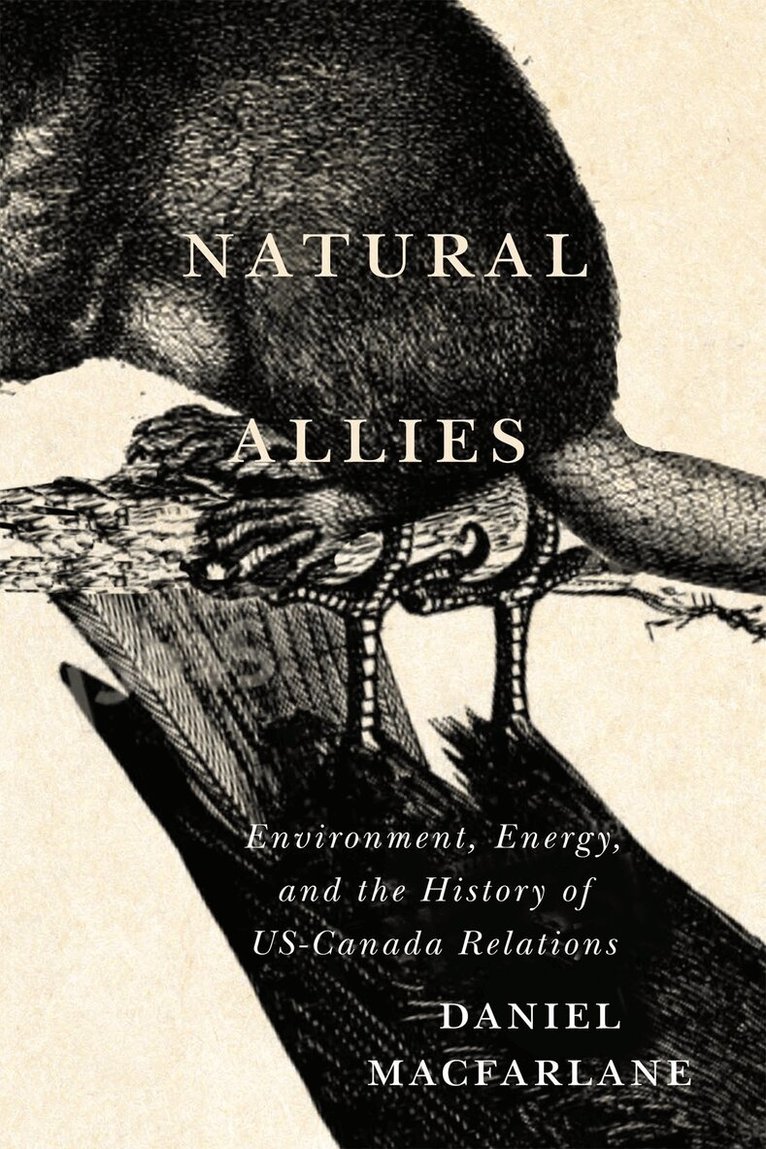
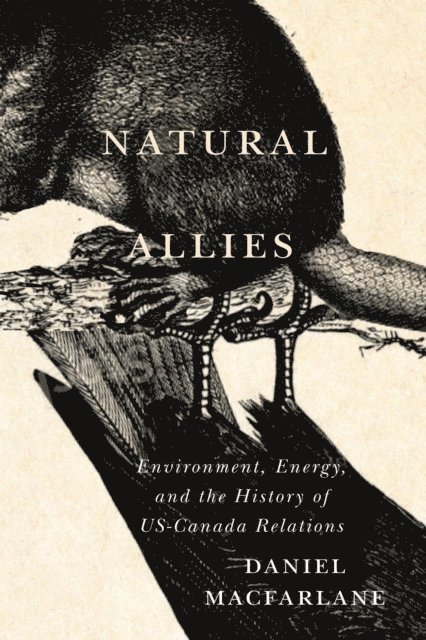
Natural Allies
Environment, Energy, and the History of US-Canada Relations
Inbunden, Engelska, 2023
1 412 kr
Skickas inom 7-10 vardagar
No two nations have exchanged natural resources, produced transborder environmental agreements, or cooperatively altered ecosystems on the same scale as Canada and the United States. Environmental and energy diplomacy have profoundly shaped both countries’ economies, politics, and landscapes for over 150 years.Natural Allies looks at the history of US-Canada relations through an environmental lens. From fisheries in the late nineteenth century to oil pipelines in the twenty-first century, Daniel Macfarlane recounts the scores of transborder environmental and energy arrangements made between the two nations. Many became global precedents that influenced international environmental law, governance, and politics, including the Boundary Waters Treaty, the Trail Smelter case, hydroelectric megaprojects, and the Great Lakes Water Quality Agreements. In addition to water, fish, wood, minerals, and myriad other resources, Natural Allies details the history of the continental energy relationship – from electricity to uranium to fossil fuels –showing how Canada became vital to American strategic interests and, along with the United States, a major international energy power and petro-state. Environmental and energy relations facilitated the integration and prosperity of Canada and the United States but also made these countries responsible for the current climate crisis and other unsustainable forms of ecological degradation. Looking to the future, Natural Allies argues that the concept of national security must be widened to include natural security – a commitment to public, national, and international safety from environmental harms, especially those caused by human actions.
405 kr
Skickas inom 10-15 vardagar
No two nations have exchanged natural resources, produced transborder environmental agreements, or cooperatively altered ecosystems on the same scale as Canada and the United States. Environmental and energy diplomacy have profoundly shaped both countries' economies, politics, and landscapes for over 150 years.Natural Allies looks at the history of US-Canada relations through an environmental lens. From fisheries in the late nineteenth century to oil pipelines in the twenty-first century, Daniel Macfarlane recounts the scores of transborder environmental and energy arrangements made between the two nations. Many became global precedents that influenced international environmental law, governance, and politics, including the Boundary Waters Treaty, the Trail Smelter case, hydroelectric megaprojects, and the Great Lakes Water Quality Agreements. In addition to water, fish, wood, minerals, and myriad other resources, Natural Allies details the history of the continental energy relationship – from electricity to uranium to fossil fuels –showing how Canada became vital to American strategic interests and, along with the United States, a major international energy power and petro-state. Environmental and energy relations facilitated the integration and prosperity of Canada and the United States but also made these countries responsible for the current climate crisis and other unsustainable forms of ecological degradation. Looking to the future, Natural Allies argues that the concept of national security must be widened to include natural security – a commitment to public, national, and international safety from environmental harms, especially those caused by human actions.
Del 17 - McGill-Queen's Rural, Wildland, and Resource Studies
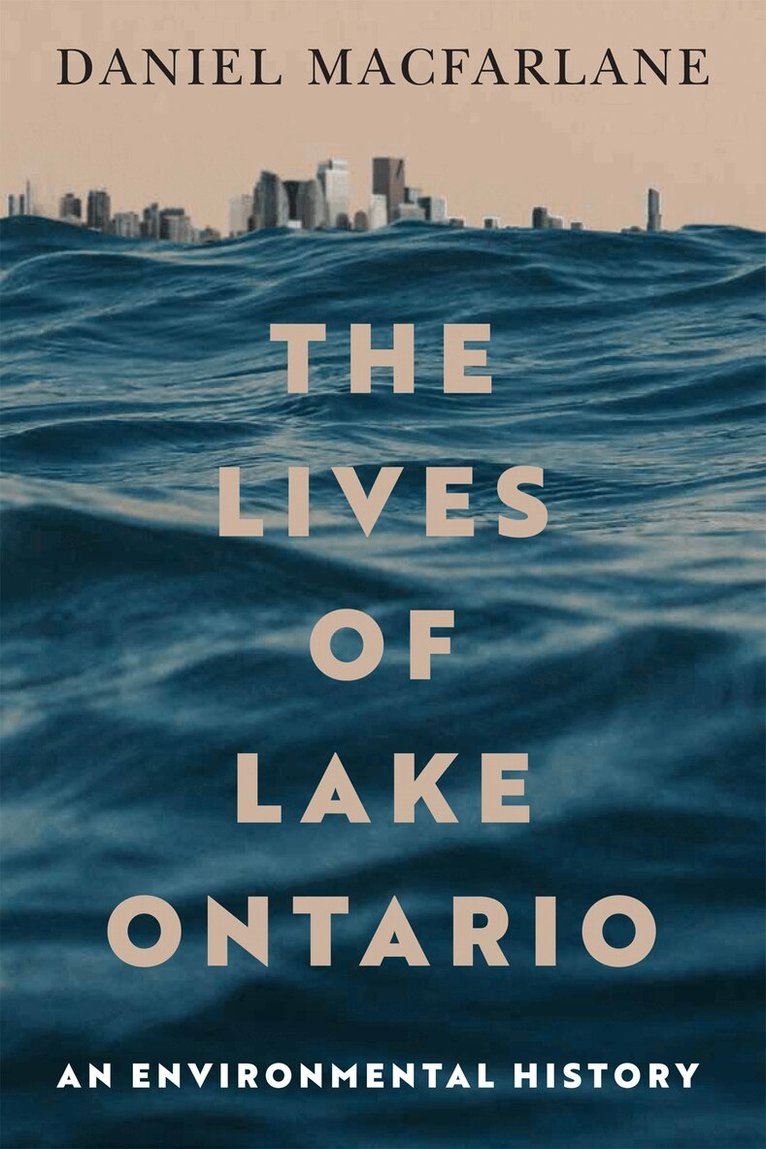
Lives of Lake Ontario
An Environmental History
Inbunden, Engelska, 2024
331 kr
Skickas inom 7-10 vardagar
Lake Ontario has profoundly influenced the historical evolution of North America. For centuries it has enabled and enriched the societies that crowded its edges, from fertile agricultural landscapes to energy production systems to sprawling cities.In The Lives of Lake Ontario Daniel Macfarlane details the lake’s relationship with the Indigenous nations, settler cultures, and modern countries that have occupied its shores. He examines the myriad ways Canada and the United States have used and abused this resource: through dams and canals, drinking water and sewage, trash and pollution, fish and foreign species, industry and manufacturing, urbanization and infrastructure, population growth and biodiversity loss. Serving as both bridge and buffer between the two countries, Lake Ontario came to host Canada’s largest megalopolis. Yet its transborder exploitation exacted a tremendous ecological cost, leading people to abandon the lake. Innovative regulations in the later twentieth century, such as the Great Lakes Water Quality Agreements, have partially improved Lake Ontario’s health.Despite signs that communities are reengaging with Lake Ontario, it remains the most degraded of the Great Lakes, with new and old problems alike exacerbated by climate change. The Lives of Lake Ontario demonstrates that this lake is both remarkably resilient and uniquely vulnerable.
254 kr
Skickas
Lake Ontario has profoundly influenced the historical evolution of North America. For centuries it has enabled and enriched the societies that crowded its edges, from fertile agricultural landscapes to energy production systems to sprawling cities.In The Lives of Lake Ontario Daniel Macfarlane details the lake’s relationship with the Indigenous nations, settler cultures, and modern countries that have occupied its shores. He examines the myriad ways Canada and the United States have used and abused this resource: through dams and canals, drinking water and sewage, trash and pollution, fish and foreign species, industry and manufacturing, urbanization and infrastructure, population growth and biodiversity loss. Serving as both bridge and buffer between the two countries, Lake Ontario came to host Canada’s largest megalopolis. Yet its transborder exploitation exacted a tremendous ecological cost, leading people to abandon the lake. Innovative regulations in the later twentieth century, such as the Great Lakes Water Quality Agreements, have partially improved Lake Ontario’s health.Despite signs that communities are re-engaging with Lake Ontario, it remains the most degraded of the Great Lakes, with new and old problems alike exacerbated by climate change. The Lives of Lake Ontario demonstrates that this lake is both remarkably resilient and uniquely vulnerable.
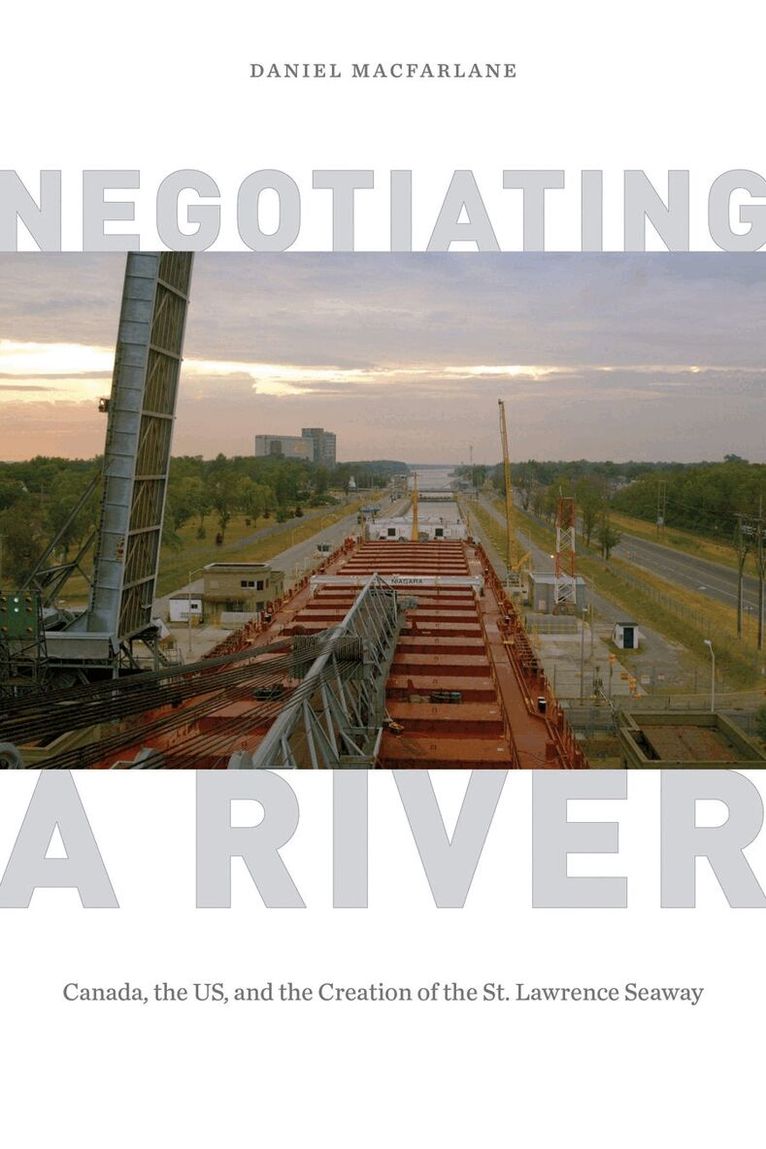
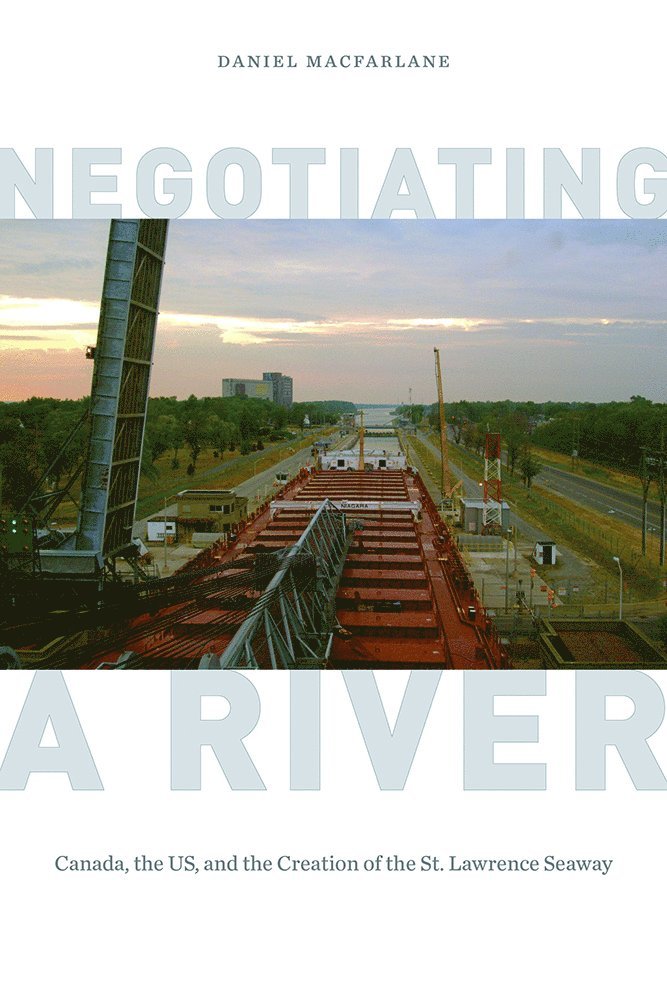
Negotiating a River
Canada, the US, and the Creation of the St. Lawrence Seaway
Inbunden, Engelska, 2014
426 kr
Skickas inom 7-10 vardagar
It was a megaproject half a century in the making -- a technological and engineering marvel that stands as one of the most ambitious borderlands undertakings ever embarked upon by two countries. The planning and building of the St. Lawrence Seaway and Power Project is one of the defining episodes in North American history.The project began with transnational negotiations that spanned two world wars and the formative years of the Cold War and included a failed attempt to construct an all-Canadian seaway, which was scuttled by US national security fears. Once an agreement was reached, the massive engineering and construction operation began, as did the efforts to move people and infrastructure away from the thousands of acres of land that would soon be flooded.Negotiating a River looks at the profound impacts of this megaproject, from the complex diplomatic negotiations, political manoeuvring, and environmental diplomacy to the implications on national identities and transnational relations.
Fixing Niagara Falls
Environment, Energy, and Engineers at the World's Most Famous Waterfall
Inbunden, Engelska, 2020
980 kr
Skickas inom 7-10 vardagar
Since the late nineteenth century, Niagara Falls has been heavily engineered to generate energy behind a flowing façade designed to appeal to tourists. Fixing Niagara Falls reveals the technological feats and cross-border politics that facilitated the transformation of one of the most important natural sites in North America. Daniel Macfarlane details how engineers, bureaucrats, and politicians conspired to manipulate the world's most famous waterfall. Essentially, they turned this natural wonder into a tap: huge tunnels divert the waters of the Niagara River around the Falls, which ebb and flow according to the tourism calendar. To hide the visual impact of diverting the majority of the water, the United States and Canada cooperated to install massive control works while reshaping and shrinking the Horseshoe Falls. This book offers a unique interdisciplinary perspective on how the Niagara landscape ultimately embodies both the power of technology and the power of nature.
Fixing Niagara Falls
Environment, Energy, and Engineers at the World's Most Famous Waterfall
Häftad, Engelska, 2021
372 kr
Skickas inom 7-10 vardagar
Since the late nineteenth century, Niagara Falls has been heavily engineered to generate energy behind a flowing façade designed to appeal to tourists. Fixing Niagara Falls reveals the technological feats and cross-border politics that facilitated the transformation of one of the most important natural sites in North America. Daniel Macfarlane details how engineers, bureaucrats, and politicians conspired to manipulate the world's most famous waterfall. Essentially, they turned this natural wonder into a tap: huge tunnels divert the waters of the Niagara River around the Falls, which ebb and flow according to the tourism calendar. To hide the visual impact of diverting the majority of the water, the United States and Canada cooperated to install massive control works while reshaping and shrinking the Horseshoe Falls. This book offers a unique interdisciplinary perspective on how the Niagara landscape ultimately embodies both the power of technology and the power of nature.
377 kr
Skickas inom 10-15 vardagar
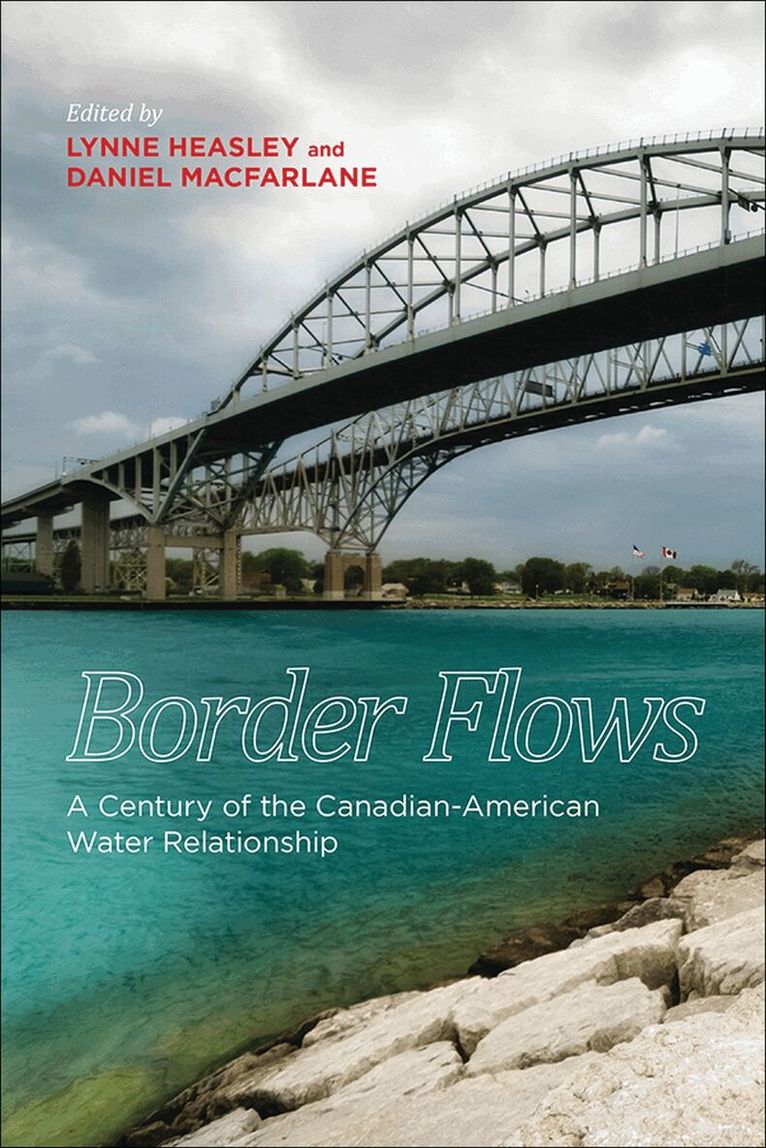
Declining access to fresh water is one of the twenty-first century's most pressing environmental and human rights challenges, yet the struggle for water is not a new cause. The 8,800-kilometer border dividing Canada and the United States contains more than 20% of the world's total freshwater resources, and Border Flows traces the century-long effort by Canada and the United States to manage and care for their ecologically and economically shared rivers and lakes. Ranging across the continent, from the Great Lakes to the Northwest Passage to the Salish Sea, the histories in Border Flows offer critical insights into the historical struggle to care for these vital waters. From multiple perspectives, the book reveals alternative paradigms in water history, law, and policy at scales from the local to the transnational. Students, concerned citizens, and policymakers alike will benefit from the lessons to be found along this critical international border.
994 kr
Skickas inom 10-15 vardagar
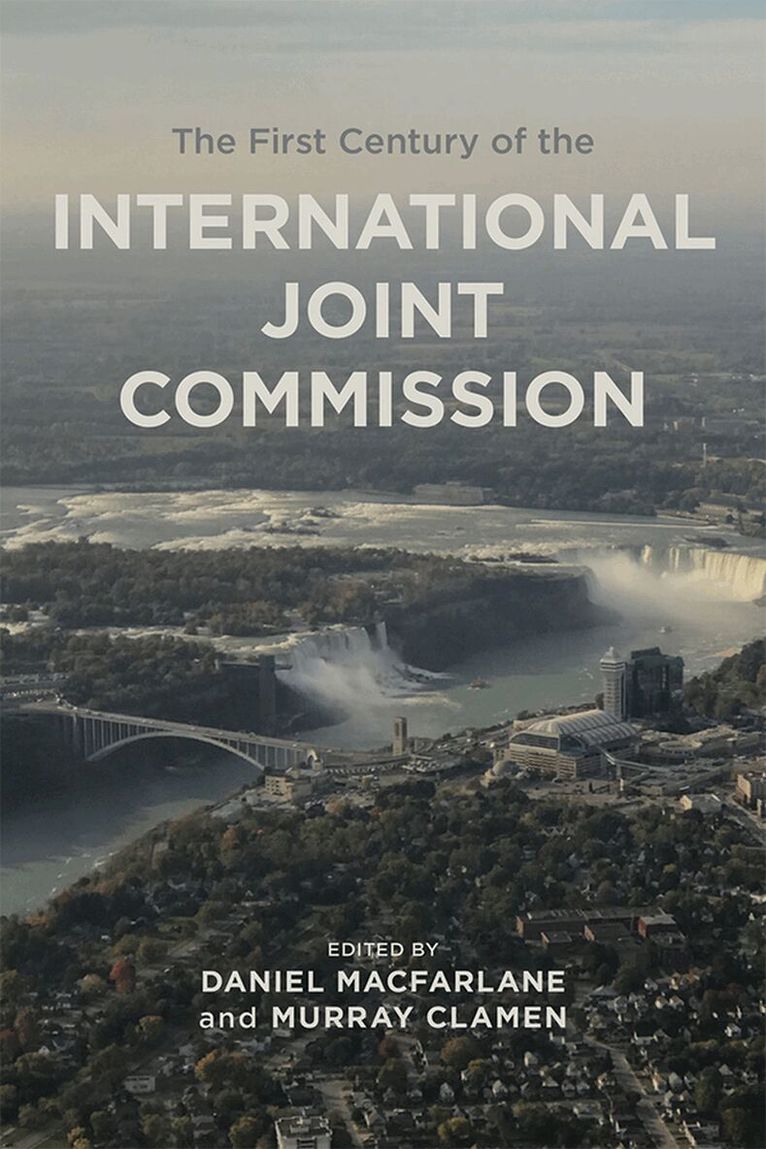
The International Joint Commission oversees and protects the shared waters of Canada and the United States. Created by the Boundary Waters Treaty of 1909, it is one of the world's oldest international environmental bodies. A pioneering piece of transborder water governance, the IJC has been integral to the modern Canada–United States relationship. This is the definitive history of the International Joint Commission. Separating myth from reality and uncovering the historical evolution of the IJC from its inception to its present, this collection features an impressive interdisciplinary group of scholars and practitioners. Examining the many aspects of border waters from east to west The First Century of the International Joint Commission traces the three major periods of the IJC, detailing its early focus on water flow, its middle period of growth and increasing politicization, and its modern emphasis on ecosystems. Informative, detailed, and fascinating, The First Century of the International Joint Commission is essential reading for academics, contemporary policy makers, governments, and all those interested in sustainability, climate change, pollution, and resiliency along the Canada–US Border.