Daniel P. Barr – författare
Visar alla böcker från författaren Daniel P. Barr. Handla med fri frakt och snabb leverans.
3 produkter
3 produkter
Inbunden, Engelska, 2006
704 kr
Skickas inom 10-15 vardagar
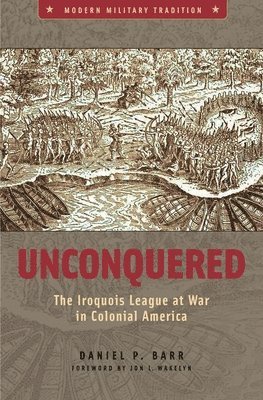
Unconquered explores the complex world of Iroquois warfare, providing a narrative overview of nearly two hundred years of Iroquois conflict during the colonial era of North America. Detailing Iroquois wars against the French, English, Americans, and a host of Indian enemies, Unconquered builds upon decades of modern scholarship to reveal the vital importance of warfare in Iroquois society and culture, at the same time exploring the diverse motivations—especially Iroquoian spiritual and cultural beliefs—that guided such warfare.Economic competition and rivalry for trade were important factors in Iroquois warfare, but they often provided less motivation for waging war than Iroquoian spiritual and cultural beliefs, including the important tradition of the mourning war. Nor were European agendas particularly important to Iroquois warfare, except in that they occasionally coincided with Iroquois designs. Europeans influenced and incited, both directly and indirectly, conflict within the Iroquois League and with other Indian nations, but the peoples of the Iroquois League waged war according to their own cultural beliefs and by their own rules. In reality, the Iroquoi League rarely waged war against anyone. Rather its individual member nations drove the warfare often attributed to the whole, creating a shifting, amorphous political and military position that allowed member nations to pursue separate policies of war and peace against common foes and multiple enemies.Unconquered also seeks to dispel longstanding beliefs about the invincible Iroquois empire, myths that have been dispelled by focused academic studies, but still retain a powerful resonance among popular conceptions of the Iroquois League. While the Iroquois created far-reaching networks of trade and destroyed or dispersed Indian peoples along their borders, they created no expansive territorial empires. Nor were Iroquois warriors unequaled in battle. Europeans, Americans, and Indians defeated Iroquois warriors and burned Iroquois villages as often as they tasted defeat, and on more than one occasion they brought the Iroquois League to the brink of utter ruin. Yet the Iroquois were never completely destroyed.
E-bok
PDF, Engelska, 2006752 kr
Läs direkt efter köp
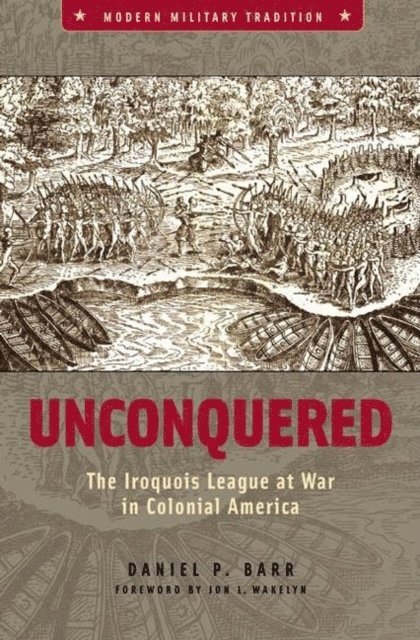
Unconquered explores the complex world of Iroquois warfare, providing a narrative overview of nearly two hundred years of Iroquois conflict during the colonial era of North America. Detailing Iroquois wars against the French, English, Americans, and a host of Indian enemies, Unconquered builds upon decades of modern scholarship to reveal the vital importance of warfare in Iroquois society and culture, at the same time exploring the diverse motivations—especially Iroquoian spiritual and cultural beliefs—that guided such warfare.Economic competition and rivalry for trade were important factors in Iroquois warfare, but they often provided less motivation for waging war than Iroquoian spiritual and cultural beliefs, including the important tradition of the mourning war. Nor were European agendas particularly important to Iroquois warfare, except in that they occasionally coincided with Iroquois designs. Europeans influenced and incited, both directly and indirectly, conflict within the Iroquois League and with other Indian nations, but the peoples of the Iroquois League waged war according to their own cultural beliefs and by their own rules. In reality, the Iroquoi League rarely waged war against anyone. Rather its individual member nations drove the warfare often attributed to the whole, creating a shifting, amorphous political and military position that allowed member nations to pursue separate policies of war and peace against common foes and multiple enemies.Unconquered also seeks to dispel longstanding beliefs about the invincible Iroquois empire, myths that have been dispelled by focused academic studies, but still retain a powerful resonance among popular conceptions of the Iroquois League. While the Iroquois created far-reaching networks of trade and destroyed or dispersed Indian peoples along their borders, they created no expansive territorial empires. Nor were Iroquois warriors unequaled in battle. Europeans, Americans, and Indians defeated Iroquois warriors and burned Iroquois villages as often as they tasted defeat, and on more than one occasion they brought the Iroquois League to the brink of utter ruin. Yet the Iroquois were never completely destroyed.
Häftad, Engelska, 2006
498 kr
Skickas inom 10-15 vardagar
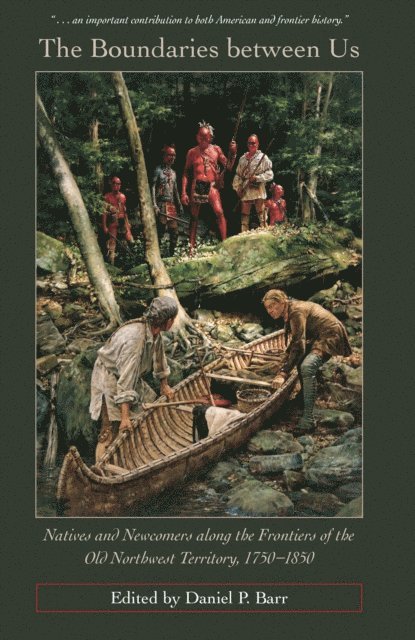
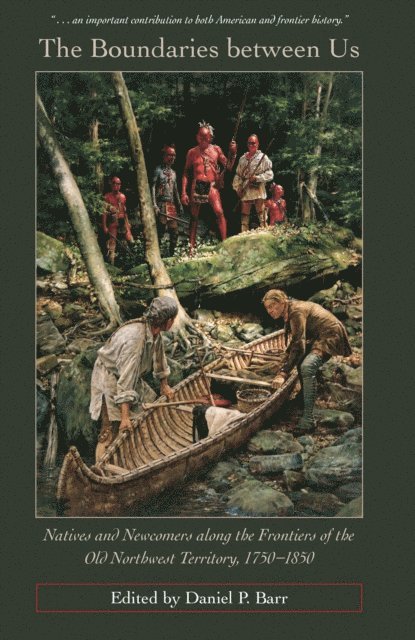
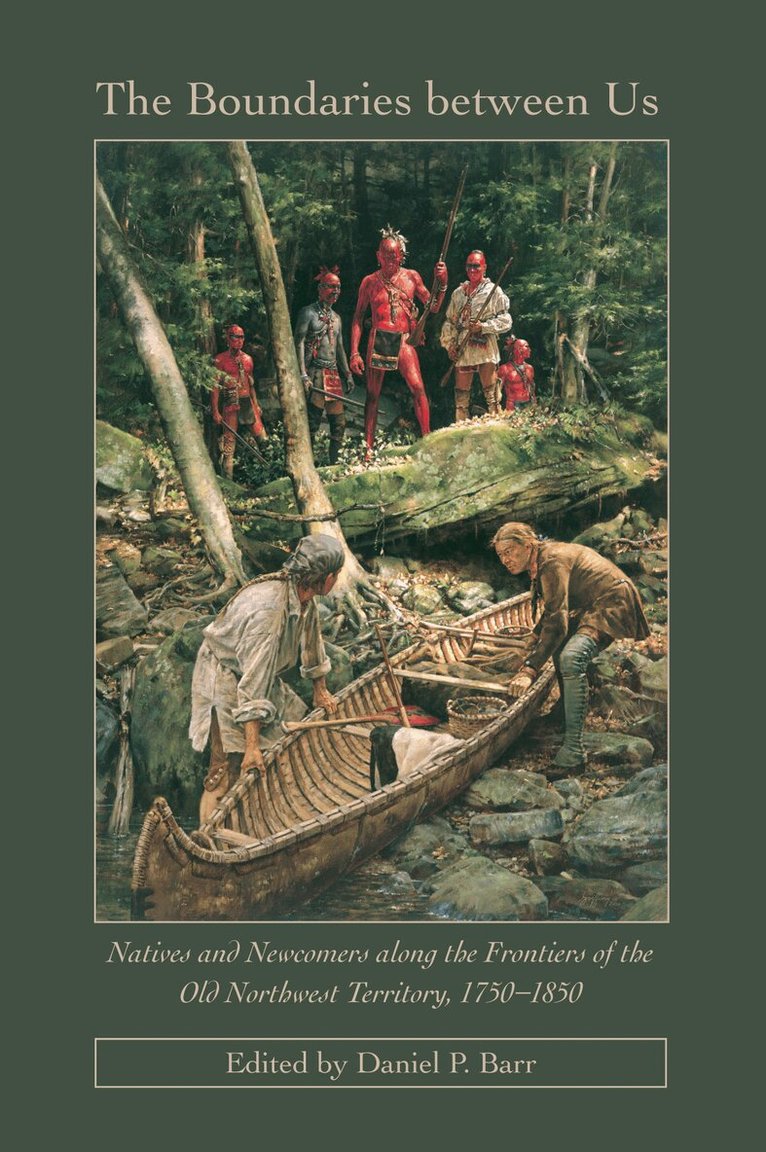
New essays on the settlement of the Old NorthwestAlthough much has been written about the Old Northwest territory, The Boundaries between Us fills a void in this historical literature by examining lesser known forms of interaction between Euro-Americans and native peoples and their struggles to gain control of the region and its vast resources. Comprised of eleven original essays, The Boundaries between Us presents unique perspectives on the history and significance of the contest for control of the Old Northwest territory. The essays examine the sociocultural contexts in which natives and newcomers lived, traded, negotiated, interacted, and fought, asking new questions about power, identity, and violence, both ahead of and behind the frontiers of Euro-American settlement. The essays do not attempt to present a unified interpretation but, rather, focus on both specific and general topics, revisit and reinterpret well-known events, and underscore how cultural, political, and ideological antagonisms divided the native inhabitants from the newcomers. Together, these thoughtful analyses offer a broad historical perspective on nearly a century of contact, interaction, conflict, and displacement. This volume promises to be of great importance to students and scholars of early America, the frontier, and cultural interaction.