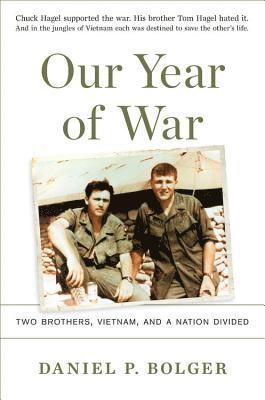
The gritty and engaging story of two brothers, Chuck and Tom Hagel, who went to war in Vietnam, fought in the same unit, and saved each other's life. One supported the war, the other detested it, but they fought it together.1968. It was the worst year of America's most divisive war. Flag-draped caskets came home by the thousands. Riots ravaged our cities. Assassins shot our political leaders. Black fought white, young fought old, fathers fought sons. And it was the year that two brothers from Nebraska went to war.In Vietnam, Chuck and Tom Hagel served side by side in the same rifle platoon. Together they fought in the Tet Offensive, battled snipers in Saigon, chased the enemy through the jungle, and each saved the other's life under fire. Yet, like so many American families, one brother supported the war while the other detested it.Tom and former Secretary of Defense Chuck Hagel never set out to be heroes, but they epitomized the best, and lived through the worst, of the most tumultuous, amazing, and consequential year in the last half century. Following the brothers' paths from the prairie heartland through a war on the far side of the world and back to a divided America, Our Year of War tells the story of two brothers at war, serving their divided country. It is a story that resonates to this day, an American story.
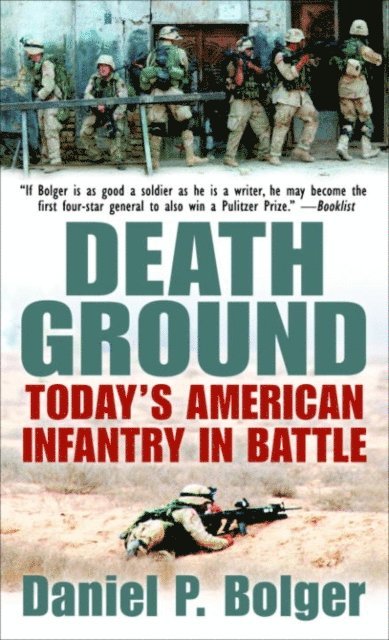
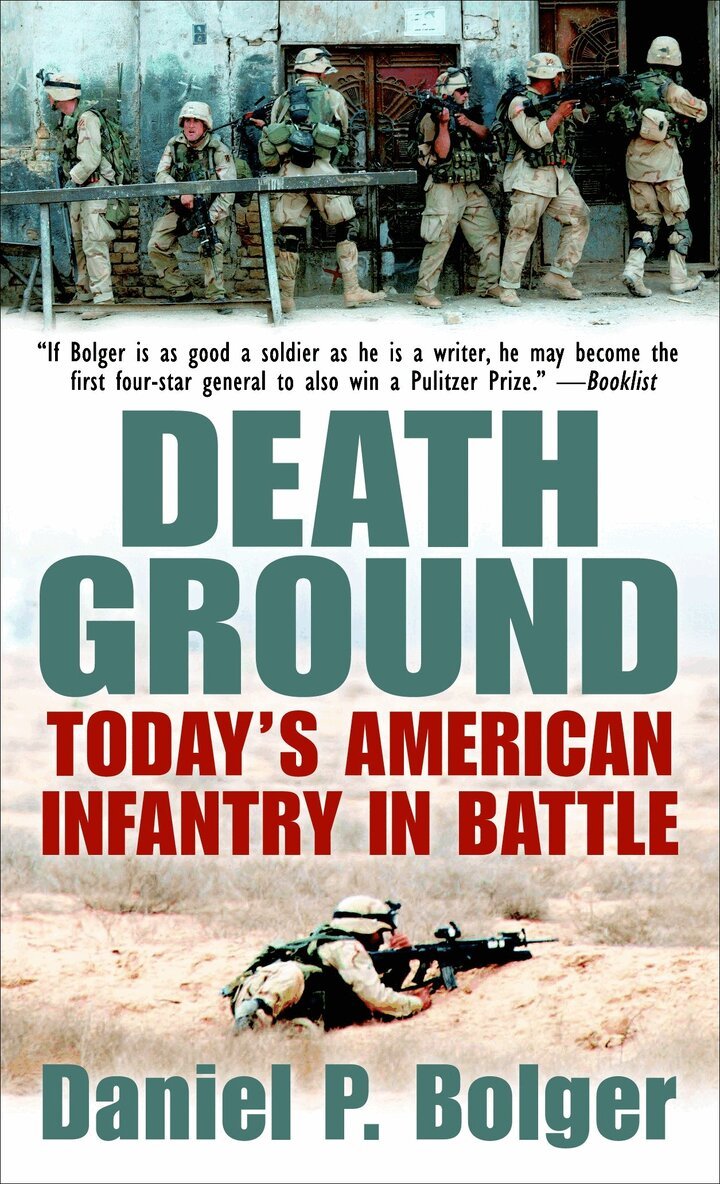
“An informative and thought-provoking history of recent infantry operations with reasoned glimpses of its possible future.”–DR. SHAWN WHETSTONE Military Heritage“This is [Colonel Bolger’s] most significant work to date, important both for students of the contemporary U.S. Army and for general readers– even those normally uninterested in military affairs. Bolger documents the infantry’s change over the past sixty years from a mass force of citizen soldiers to a small body of elite professionals. He presents each currently existing type of infantry–paratroopers, air assault, mechanized, light, rangers, and marines. . . . In each case study, Bolger emphasizes the quality and preparation, making it quite clear that will without skill and motivation without competence are certain routes to disaster. . . . While praising today’s infantry as the best the country has ever fielded, Bolger raises the prospect that the U.S. military, by emphasizing technology and economy, will leave the country with an elite infantry too small to sustain heavy losses and too specialized to be quickly replaced.”–Publishers WeeklyDEATH GROUNDToday’s American Infantry in BattleFrom the Paperback edition.
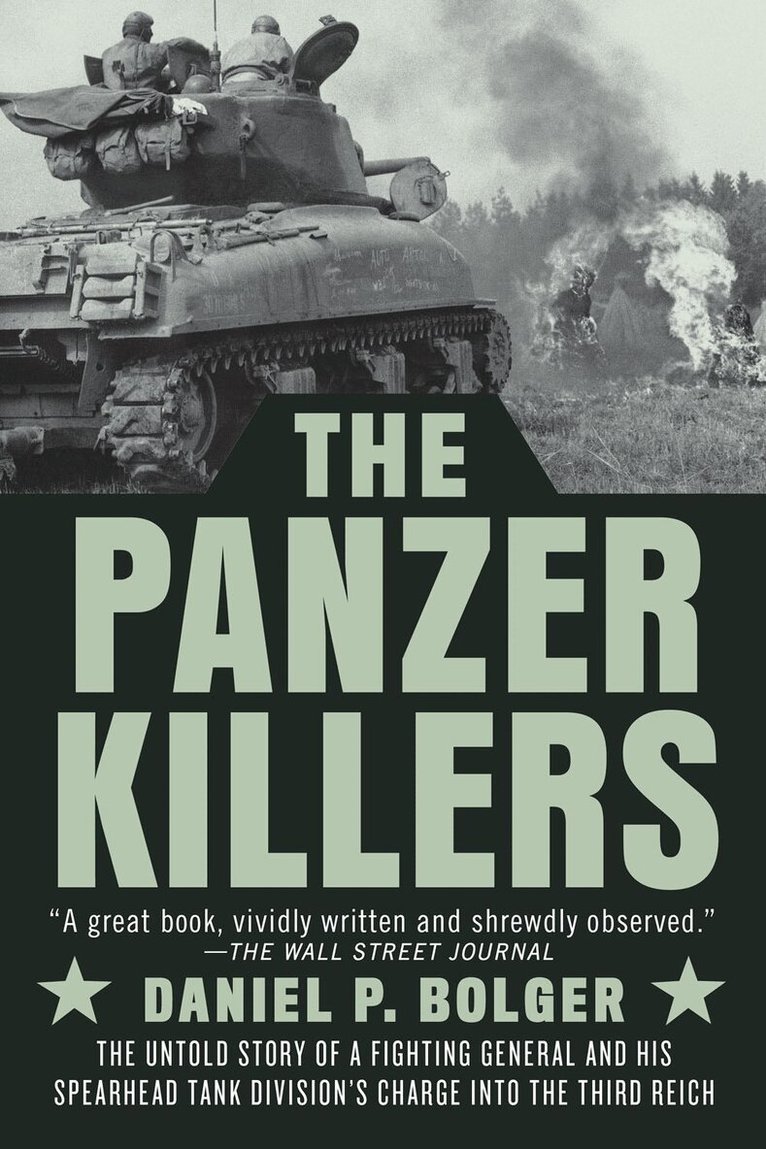
A general-turned-historian reveals the remarkable battlefield heroics of Major General Maurice Rose, the World War II tank commander whose 3rd Armored Division struck fear into the hearts of Hitler's panzer crews.“The Panzer Killers is a great book, vividly written and shrewdly observed.”—The Wall Street JournalTwo months after D-Day, the Allies found themselves in a stalemate in Normandy, having suffered enormous casualties attempting to push through hedgerow country. Troops were spent, and American tankers, lacking the tactics and leadership to deal with the terrain, were losing their spirit. General George Patton and the other top U.S. commanders needed an officer who knew how to break the impasse and roll over the Germans—they needed one man with the grit and the vision to take the war all the way to the Rhine. Patton and his peers selected Maurice Rose.The son of a rabbi, Rose never discussed his Jewish heritage. But his ferocity on the battlefield reflected an inner flame. He led his 3rd Armored Division not from a command post but from the first vehicle in formation, charging headfirst into a fight. He devised innovative tactics, made the most of American weapons, and personally chose the cadre of young officers who drove his division forward. From Normandy to the West Wall, from the Battle of the Bulge to the final charge across Germany, Maurice Rose's deadly division of tanks blasted through enemy lines and pursued the enemy with a remarkable intensity. In The Panzer Killers, Daniel P. Bolger, a retired lieutenant general and Iraq War veteran, offers up a lively, dramatic tale of Rose's heroism. Along the way, Bolger infuses the narrative with fascinating insights that could only come from an author who has commanded tank forces in combat. The result is a unique and masterful story of battlefield leadership, destined to become a classic.
“An informative and thought-provoking history of recent infantry operations with reasoned glimpses of its possible future.”–DR. SHAWN WHETSTONE Military Heritage“This is [Colonel Bolger’s] most significant work to date, important both for students of the contemporary U.S. Army and for general readers– even those normally uninterested in military affairs. Bolger documents the infantry’s change over the past sixty years from a mass force of citizen soldiers to a small body of elite professionals. He presents each currently existing type of infantry–paratroopers, air assault, mechanized, light, rangers, and marines. . . . In each case study, Bolger emphasizes the quality and preparation, making it quite clear that will without skill and motivation without competence are certain routes to disaster. . . . While praising today’s infantry as the best the country has ever fielded, Bolger raises the prospect that the U.S. military, by emphasizing technology and economy, will leave the country with an elite infantry too small to sustain heavy losses and too specialized to be quickly replaced.”–Publishers WeeklyDEATH GROUNDToday’s American Infantry in Battle