Daniel Page – författare
Visar alla böcker från författaren Daniel Page. Handla med fri frakt och snabb leverans.
5 produkter
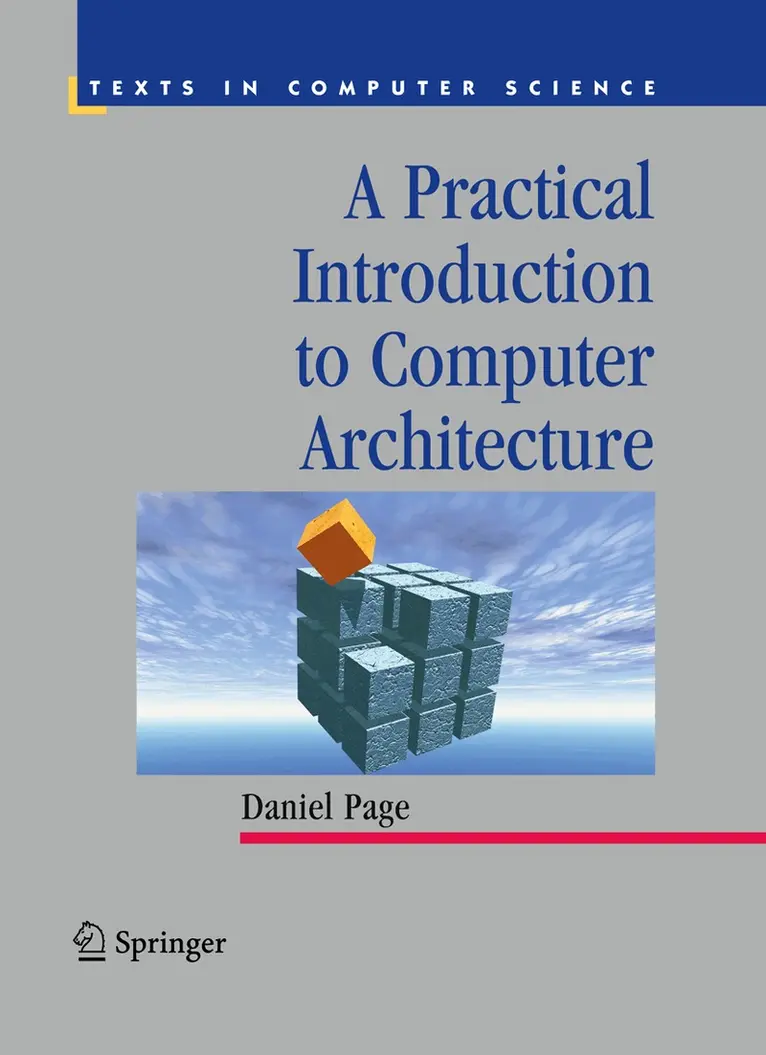
Practical Introduction to Computer Architecture
Av Daniel Page
Inbunden, 2009
568 kr
Lägg i varukorg
It is a great pleasure to write a preface to this book. In my view, the content is unique in that it blends traditional teaching approaches with the use of mathematics and a mainstream Hardware Design Language (HDL) as formalisms to describe key concepts. The book keeps the “machine” separate from …
Practical Introduction to Computer Architecture
Av Daniel Page
E-bok, 2009
739 kr
Lägg i varukorg
It is a great pleasure to write a preface to this book. In my view, the content is unique in that it blends traditional teaching approaches with the use of mathematics and a mainstream Hardware Design Language (HDL) as formalisms to describe key concepts. The book keeps the “machine” separate from …
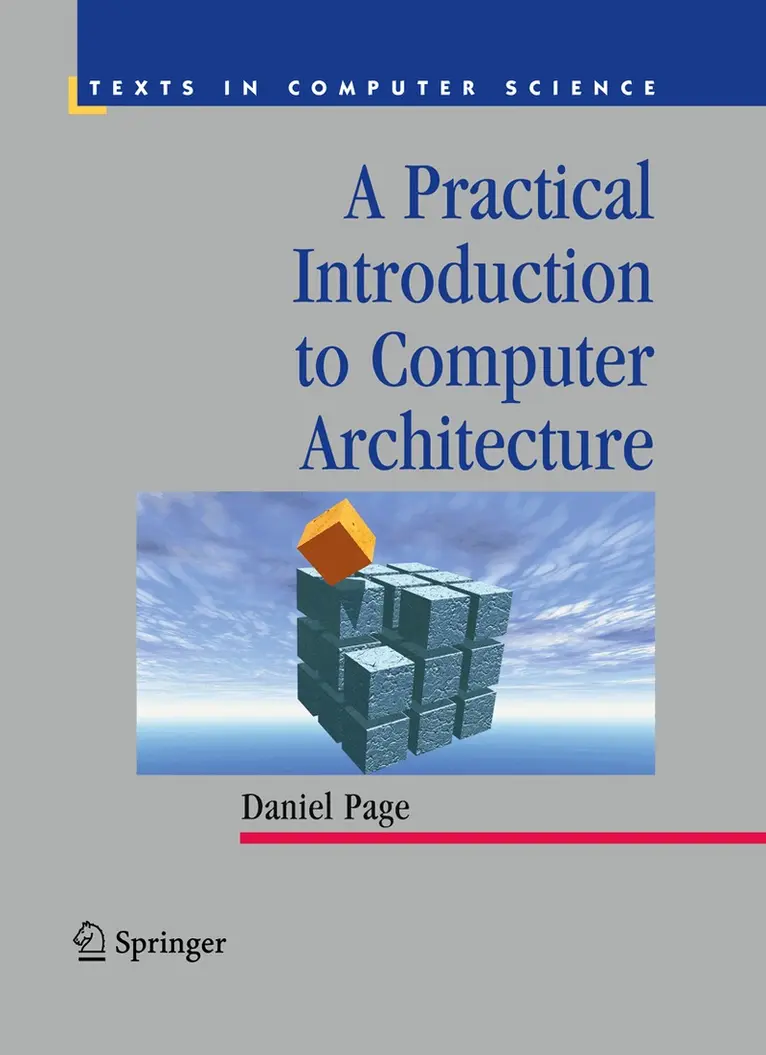
Practical Introduction to Computer Architecture
Av Daniel Page
Häftad, 2011
568 kr
Lägg i varukorg
It is a great pleasure to write a preface to this book. In my view, the content is unique in that it blends traditional teaching approaches with the use of mathematics and a mainstream Hardware Design Language (HDL) as formalisms to describe key concepts. The book keeps the “machine” separate from …
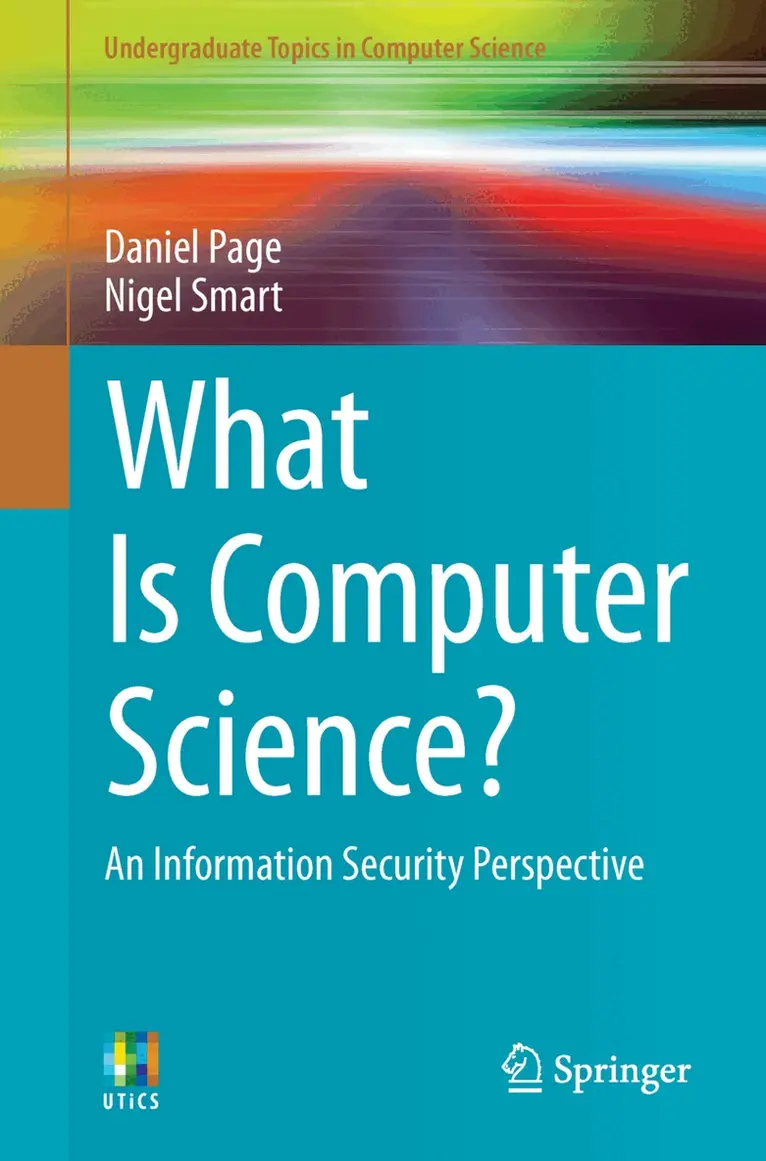
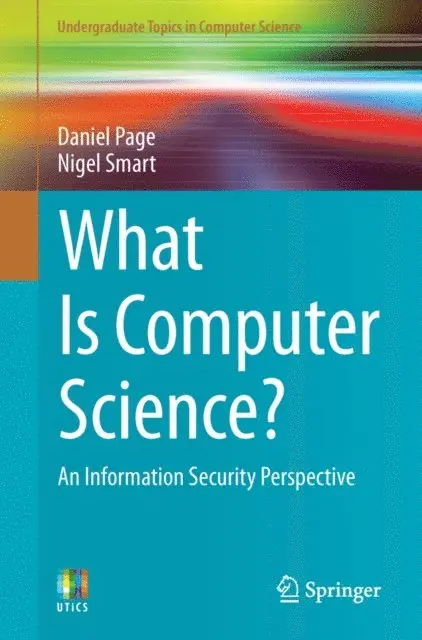
What Is Computer Science?
An Information Security Perspective
Häftad, 2014
456 kr
Lägg i varukorg
This engaging and accessible text addresses the fundamental question: What Is Computer Science? The book showcases a set of representative concepts broadly connected by the theme of information security, for which the presentation of each topic can be treated as a "mini" lecture course, …
What Is Computer Science?
An Information Security Perspective
E-bok, 2013
428 kr
Lägg i varukorg
This engaging and accessible text addresses the fundamental question: What Is Computer Science? The book showcases a set of representative concepts broadly connected by the theme of information security, for which the presentation of each topic can be treated as a "mini" lecture course, …