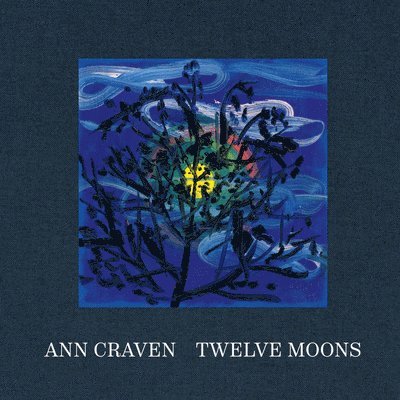
With a lush and sensuous palette, Craven renders the changing cycles of the moon with an intimate sense of memoryOrganized by the Savannah College of Art and Design Museum of Art, Twelve Moons presents the visionary works of American painter Ann Craven (born 1967), known for her vibrant depictions of the moon and the night sky. Through her practice of painting en plein air, Craven captures the conditions she observes over the course of the lunar cycle, which then become the inspiration for her larger monumental compositions. In an extensive series, Craven creates a captivating panorama that encompasses the cycles of the moon throughout the 2022 lunar year. Often painting from the same viewpoint, Craven’s nocturnal yet tranquil compositions sometimes only differ in the light that the moon casts on her surroundings. Twelve Moons forms a distinct chapter in Craven’s oeuvre, showcasing her ongoing fascination with the wonders of the natural phenomena that surround us.
During the 1930s, the United States government founded Jersey Homesteads (present day Roosevelt, New Jersey) to help a group of pioneering Jewish immigrants create an ambitious new cooperative community. This utopian endeavor intended to move two hundred urban garment worker families from New York City to rural New Jersey so they could make new lives for themselves. The enclave expressed the back-to-the-land agrarian idealism and socialist ideology of its settlers and the era with modernist art and architecture. This book tells the inspiring yet underappreciated history of the town's establishment, revealing its historical utopian commune precursors and detailing how such an unconventional project could only have been possible at that precise moment because of President Franklin Delano Roosevelt's progressive New Deal government support. It is a story about a specific time and place with significant lessons for our understanding of that era as well as our own time too.
With a lush and sensuous palette, Craven renders the changing cycles of the moon with an intimate sense of memoryOrganized by the Savannah College of Art and Design Museum of Art, Twelve Moons presents the visionary works of American painter Ann Craven (born 1967), known for her vibrant depictions of the moon and the night sky. Through her practice of painting en plein air, Craven captures the conditions she observes over the course of the lunar cycle, which then become the inspiration for her larger monumental compositions. In an extensive series, Craven creates a captivating panorama that encompasses the cycles of the moon throughout the 2022 lunar year. Often painting from the same viewpoint, Craven’s nocturnal yet tranquil compositions sometimes only differ in the light that the moon casts on her surroundings. Twelve Moons forms a distinct chapter in Craven’s oeuvre, showcasing her ongoing fascination with the wonders of the natural phenomena that surround us.
During the 1930s, the United States government founded Jersey Homesteads (present day Roosevelt, New Jersey) to help a group of pioneering Jewish immigrants create an ambitious new cooperative community. This utopian endeavor intended to move two hundred urban garment worker families from New York City to rural New Jersey so they could make new lives for themselves. The enclave expressed the back-to-the-land agrarian idealism and socialist ideology of its settlers and the era with modernist art and architecture. This book tells the inspiring yet underappreciated history of the town's establishment, revealing its historical utopian commune precursors and detailing how such an unconventional project could only have been possible at that precise moment because of President Franklin Delano Roosevelt's progressive New Deal government support. It is a story about a specific time and place with significant lessons for our understanding of that era as well as our own time too.