Daniel Speak – författare
Visar alla böcker från författaren Daniel Speak. Handla med fri frakt och snabb leverans.
6 produkter
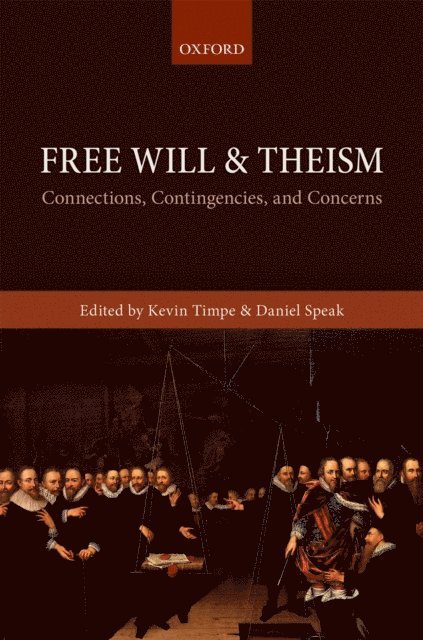
Free Will and Theism
Connections, Contingencies, and Concerns
E-bok, 2016
1155 kr
Lägg i varukorg
Concerns both about the nature of free will and about the credibility of theistic belief and commitment have long preoccupied philosophers. In addition, there can be no denying that the history of philosophical inquiry into these two issues has been dynamic and, at least to some degree, integrated. …
Free Will and Theism
Connections, Contingencies, and Concerns
E-bok, 2016
1155 kr
Lägg i varukorg
Concerns both about the nature of free will and about the credibility of theistic belief and commitment have long preoccupied philosophers. In addition, there can be no denying that the history of philosophical inquiry into these two issues has been dynamic and, at least to some degree, integrated. …
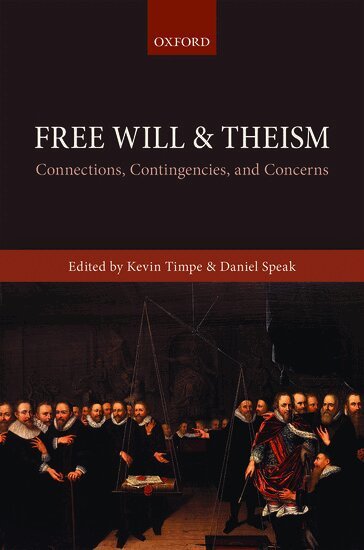
Free Will and Theism
Connections, Contingencies, and Concerns
Av Kevin Timpe, Kevin Timpe m. fl.
Inbunden, 2016
1828 kr
Lägg i varukorg
Concerns both about the nature of free will and about the credibility of theistic belief and commitment have long preoccupied philosophers. In addition, there can be no denying that the history of philosophical inquiry into these two issues has been dynamic and, at least to some degree, integrated. …
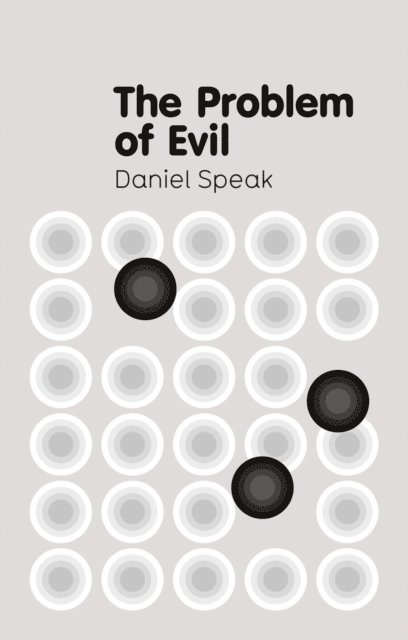
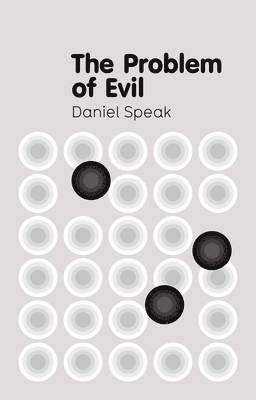
Problem of Evil
Av Daniel Speak
E-bok, 2014
261 kr
Lägg i varukorg
The most forceful philosophical objections to belief in God arise from the existence of evil. Bad things happen in the world and it is not clear how this is compatible with the existence of an all-powerful and perfectly loving being. Unsurprisingly then, philosophers have formulated powerful …
Problem of Evil
Av Daniel Speak
Inbunden, 2014
689 kr
Lägg i varukorg
The most forceful philosophical objections to belief in God arise from the existence of evil. Bad things happen in the world and it is not clear how this is compatible with the existence of an all-powerful and perfectly loving being. Unsurprisingly then, philosophers have formulated powerful …
Problem of Evil
Av Daniel Speak
Häftad, 2014
231 kr
Lägg i varukorg
The most forceful philosophical objections to belief in God arise from the existence of evil. Bad things happen in the world and it is not clear how this is compatible with the existence of an all-powerful and perfectly loving being. Unsurprisingly then, philosophers have formulated powerful …