Daniel W. Eadens - Böcker
Visar alla böcker från författaren Daniel W. Eadens. Handla med fri frakt och snabb leverans.
3 produkter
3 produkter
457 kr
Skickas inom 7-10 vardagar
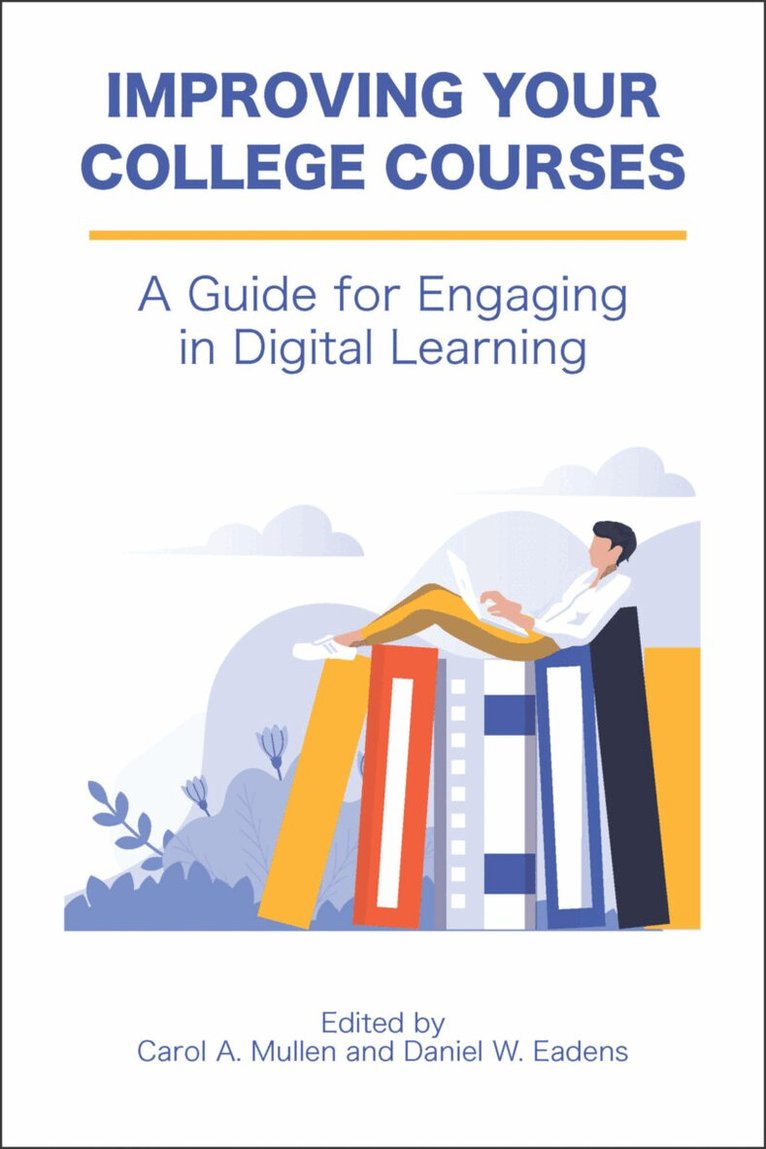
This new and innovative book, Improving Your College Courses: A Guide for Engaging in Digital Learning, provides instructors from any discipline with a guide for improving course quality and engaging learners in digital learning environments. It inspires professional development and learning (PDL) by making available an indispensable resource for higher education faculty seeking to enhance their teaching practices, propel meaningful experiences, and improve student outcomes. Instructors and administrators will want to read this research-informed, practical book authored by faculty with expertise in digital learning environments. All of them have published on this topic, some earning digital certifications and online teaching awards. Faculty and administrators attracted to a blend of theoretical insights and practical applications will welcome a solid resource for instructors engaged in continuous course improvement and PDL. At the same time, administrators overseeing faculty development as well as mentoring coordinators who sponsor PDL around instructional effectiveness and ethics will benefit from the use of the volume. Professors will find strategies that can be immediately implemented in their courses, making them a valuable tool for PDL. It will be a "must have" for new instructors and faculty who are adapting their teaching for a digital world. The book covers essential topics including course introduction; content and materials; engagement activities; accessibility and usability; and support strategies; as well as practical methods such as case studies, glossary, and appendix and supplementary materials with web content. Improving Your College Courses features pictures, figures, drawings, charts, and graphs designed to clearly illustrate the steps and concepts narrated. This book is designed to be an indispensable resource for educators seeking to enhance their teaching practices and improve student outcomes.
1 037 kr
Skickas inom 10-15 vardagar
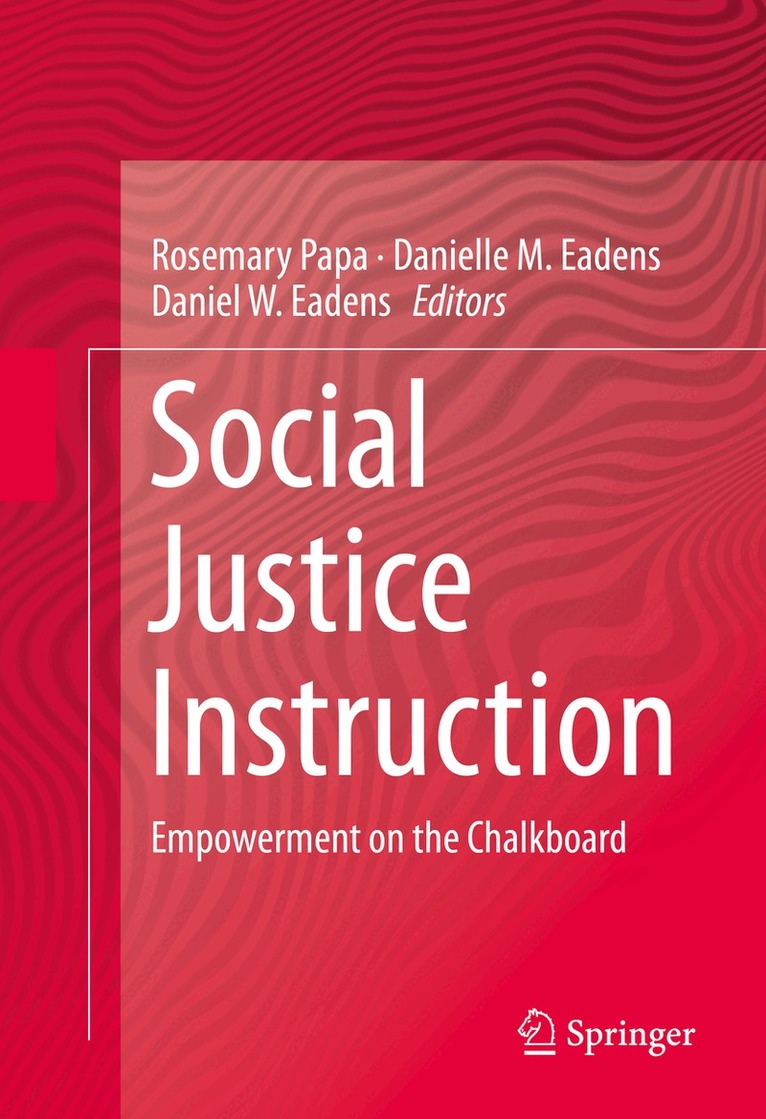
This resource offers instructors a full palette of strategies for teaching social justice concepts across subject areas from kindergarten through college. Dividing its content between elementary, adolescent, and adult learners, the book analyzes the classroom experience as a powerful means of challenging stereotypes and supporting inclusion, respect, and equity. History, language arts, literature, and social studies, as well as mathematics and science are shown as platforms for tying critical thinking to moral behavior. And while professional development underlies all chapters in the text, special areas such as technology, curriculum design, recognizing student demographics, and raising social justice awareness in school culture are spotlighted.Among the topics covered:Reframing social justice for the adult learner.The politics of “being”: faculty of color teaching social justice in the college classroom.Stories of social justice from the kindergarten classroom.Critical literacy and multicultural literature.The shaming: creating a curriculum that promotes socially-responsible online engagement.Literacy is a civil write: the art, science, and soul of transformative classrooms. For educators and education researchers involved in the field, Social Justice Instruction unlocks the potential for imparting progressive ideas along the educational spectrum. The strategies here model a humanist perspective that will serve learners both in and outside the classroom.
1 043 kr
Skickas inom 10-15 vardagar
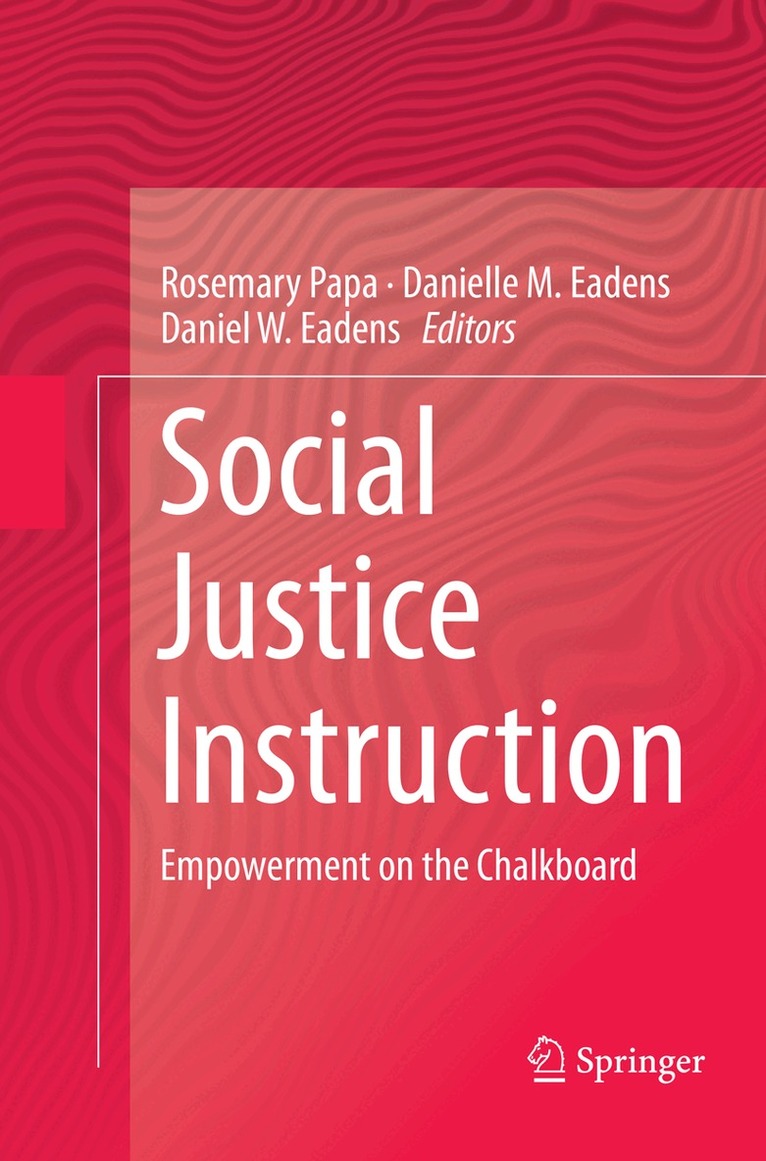
This resource offers instructors a full palette of strategies for teaching social justice concepts across subject areas from kindergarten through college. Dividing its content between elementary, adolescent, and adult learners, the book analyzes the classroom experience as a powerful means of challenging stereotypes and supporting inclusion, respect, and equity. History, language arts, literature, and social studies, as well as mathematics and science are shown as platforms for tying critical thinking to moral behavior. And while professional development underlies all chapters in the text, special areas such as technology, curriculum design, recognizing student demographics, and raising social justice awareness in school culture are spotlighted.Among the topics covered:Reframing social justice for the adult learner.The politics of “being”: faculty of color teaching social justice in the college classroom.Stories of social justice from the kindergarten classroom.Critical literacy and multicultural literature.The shaming: creating a curriculum that promotes socially-responsible online engagement.Literacy is a civil write: the art, science, and soul of transformative classrooms. For educators and education researchers involved in the field, Social Justice Instruction unlocks the potential for imparting progressive ideas along the educational spectrum. The strategies here model a humanist perspective that will serve learners both in and outside the classroom.