Daniel Wirls - Böcker
Visar alla böcker från författaren Daniel Wirls. Handla med fri frakt och snabb leverans.
5 produkter
5 produkter
235 kr
Tillfälligt slut
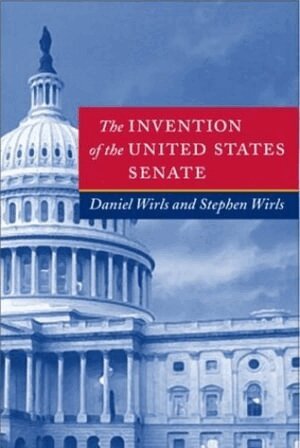
The invention of the United States Senate was the most complicated and confounding achievement of the Constitutional Convention. Although much has been written on various aspects of Senate history, this is the first book to examine and link the three central components of the Senate's creation: the theoretical models and institutional precedents leading up to the Constitutional Convention; the work of the Constitutional Convention on both the composition and powers of the Senate; and the initial institutionalization of the Senate from ratification through the early years of Congress. The authors show how theoretical principles of a properly constructed Senate interacted with political interests and power politics in the multidimensional struggle to construct the Senate, before, during, and after the convention.
732 kr
Skickas inom 7-10 vardagar
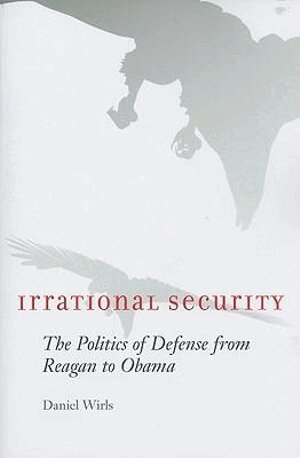
The end of the Cold War was supposed to bring a "peace dividend" and the opportunity to redirect military policy in the United States. Instead, according to Daniel Wirls, American politics following the Cold War produced dysfunctional defense policies that were exacerbated by the war on terror. Wirls's critical historical narrative of the politics of defense in the United States during this "decade of neglect" and the military buildup in Afghanistan and Iraq explains how and why the U.S. military has become bloated and aimless and what this means for long-term security. Examining the recent history of U.S. military spending and policy under presidents George H. W. Bush, Bill Clinton, and George W. Bush, Wirls finds that although spending decreased from the close of the first Bush presidency through the early years of Clinton's, both administrations preferred to tinker at the edges of defense policy rather than redefine it. Years of political infighting escalated the problem, leading to a military policy stalemate as neither party managed to craft a coherent, winning vision of national security.Wirls argues that the United States has undermined its own long-term security through profligate and often counterproductive defense policies while critical national problems have gone unmitigated and unsolved. This unified history of the politics of U.S. military policy from the end of the Cold War through the beginning of the Obama presidency provides a clear picture of why the United States is militarily powerful but "otherwise insecure."
326 kr
Tillfälligt slut
The end of the Cold War was supposed to bring a "peace dividend" and the opportunity to redirect military policy in the United States. Instead, according to Daniel Wirls, American politics following the Cold War produced dysfunctional defense policies that were exacerbated by the war on terror. Wirls's critical historical narrative of the politics of defense in the United States during this "decade of neglect" and the military buildup in Afghanistan and Iraq explains how and why the U.S. military has become bloated and aimless and what this means for long-term security. Examining the recent history of U.S. military spending and policy under presidents George H. W. Bush, Bill Clinton, and George W. Bush, Wirls finds that although spending decreased from the close of the first Bush presidency through the early years of Clinton's, both administrations preferred to tinker at the edges of defense policy rather than redefine it. Years of political infighting escalated the problem, leading to a military policy stalemate as neither party managed to craft a coherent, winning vision of national security.Wirls argues that the United States has undermined its own long-term security through profligate and often counterproductive defense policies while critical national problems have gone unmitigated and unsolved. This unified history of the politics of U.S. military policy from the end of the Cold War through the beginning of the Obama presidency provides a clear picture of why the United States is militarily powerful but "otherwise insecure."
1 189 kr
Skickas inom 10-15 vardagar
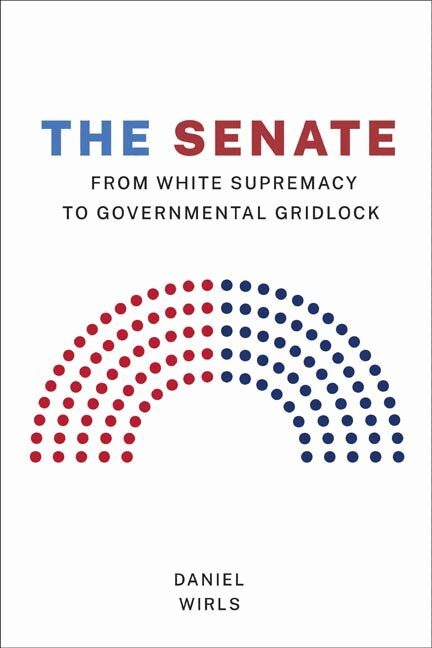
In this lively analysis, Daniel Wirls examines the Senate in relation to our other institutions of government and the constitutional system as a whole, exposing the role of the "world’s greatest deliberative body" in undermining effective government and maintaining white supremacy in America.As Wirls argues, from the founding era onward, the Senate constructed for itself an exceptional role in the American system of government that has no firm basis in the Constitution. This self-proclaimed exceptional status is part and parcel of the Senate’s problematic role in the governmental process over the past two centuries, a role shaped primarily by the combination of equal representation among states and the filibuster, which set up the Senate’s clash with modern democracy and effective government and has contributed to the contemporary underrepresentation of minority members. As he explains, the Senate’s architecture, self-conception, and resulting behavior distort rather than complement democratic governance and explain the current gridlock in Washington, D.C. If constitutional changes to our institutions are necessary for better governance, then how should the Senate be altered to be part of the solution rather than part of the problem? This book provides one answer.
424 kr
Skickas inom 10-15 vardagar
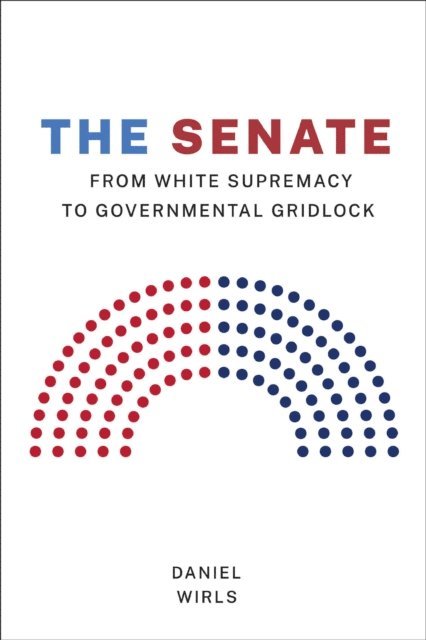
In this lively analysis, Daniel Wirls examines the Senate in relation to our other institutions of government and the constitutional system as a whole, exposing the role of the "world’s greatest deliberative body" in undermining effective government and maintaining white supremacy in America.As Wirls argues, from the founding era onward, the Senate constructed for itself an exceptional role in the American system of government that has no firm basis in the Constitution. This self-proclaimed exceptional status is part and parcel of the Senate’s problematic role in the governmental process over the past two centuries, a role shaped primarily by the combination of equal representation among states and the filibuster, which set up the Senate’s clash with modern democracy and effective government and has contributed to the contemporary underrepresentation of minority members. As he explains, the Senate’s architecture, self-conception, and resulting behavior distort rather than complement democratic governance and explain the current gridlock in Washington, D.C. If constitutional changes to our institutions are necessary for better governance, then how should the Senate be altered to be part of the solution rather than part of the problem? This book provides one answer.