Daniela Flesler - Böcker
Visar alla böcker från författaren Daniela Flesler. Handla med fri frakt och snabb leverans.
5 produkter
5 produkter
1 059 kr
Skickas inom 7-10 vardagar
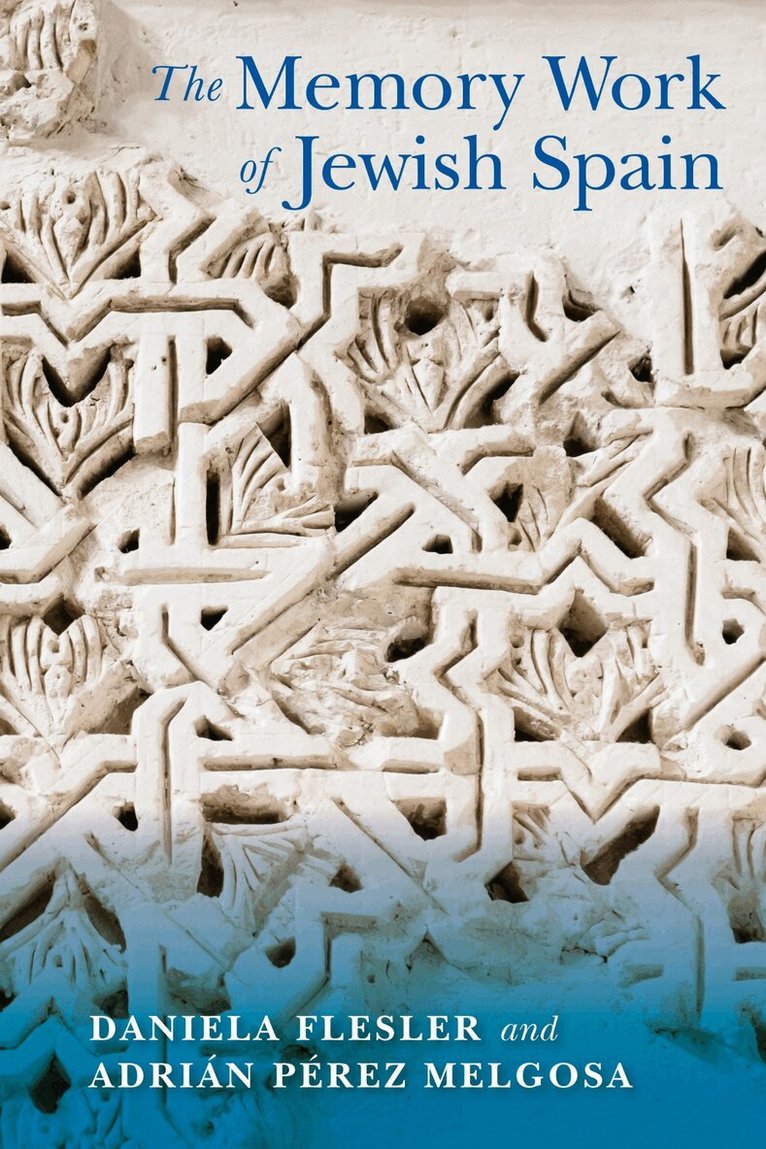
The 2015 law granting Spanish nationality to the descendants of Jews expelled in 1492 is the latest example of a widespread phenomenon in contemporary Spain, the "re-discovery" of its Jewish heritage. In The Memory Work of Jewish Spain, Daniela Flesler and Adrián Pérez Melgosa examine the implications of reclaiming this memory through the analysis of a comprehensive range of emerging cultural practices, political initiatives and institutions in the context of the long history of Spain's ambivalence towards its Jewish past. Through oral interviews, analyses of museums, newly reconfigured "Jewish quarters," excavated Jewish sites, popular festivals, tourist brochures, literature and art, The Memory Work of Jewish Spain explores what happens when these initiatives are implemented at the local level in cities and towns throughout Spain, and how they affect Spain's present.
507 kr
Skickas inom 7-10 vardagar
The 2015 law granting Spanish nationality to the descendants of Jews expelled in 1492 is the latest example of a widespread phenomenon in contemporary Spain, the "re-discovery" of its Jewish heritage. In The Memory Work of Jewish Spain, Daniela Flesler and Adrián Pérez Melgosa examine the implications of reclaiming this memory through the analysis of a comprehensive range of emerging cultural practices, political initiatives and institutions in the context of the long history of Spain's ambivalence towards its Jewish past. Through oral interviews, analyses of museums, newly reconfigured "Jewish quarters," excavated Jewish sites, popular festivals, tourist brochures, literature and art, The Memory Work of Jewish Spain explores what happens when these initiatives are implemented at the local level in cities and towns throughout Spain, and how they affect Spain's present.
2 150 kr
Skickas inom 10-15 vardagar
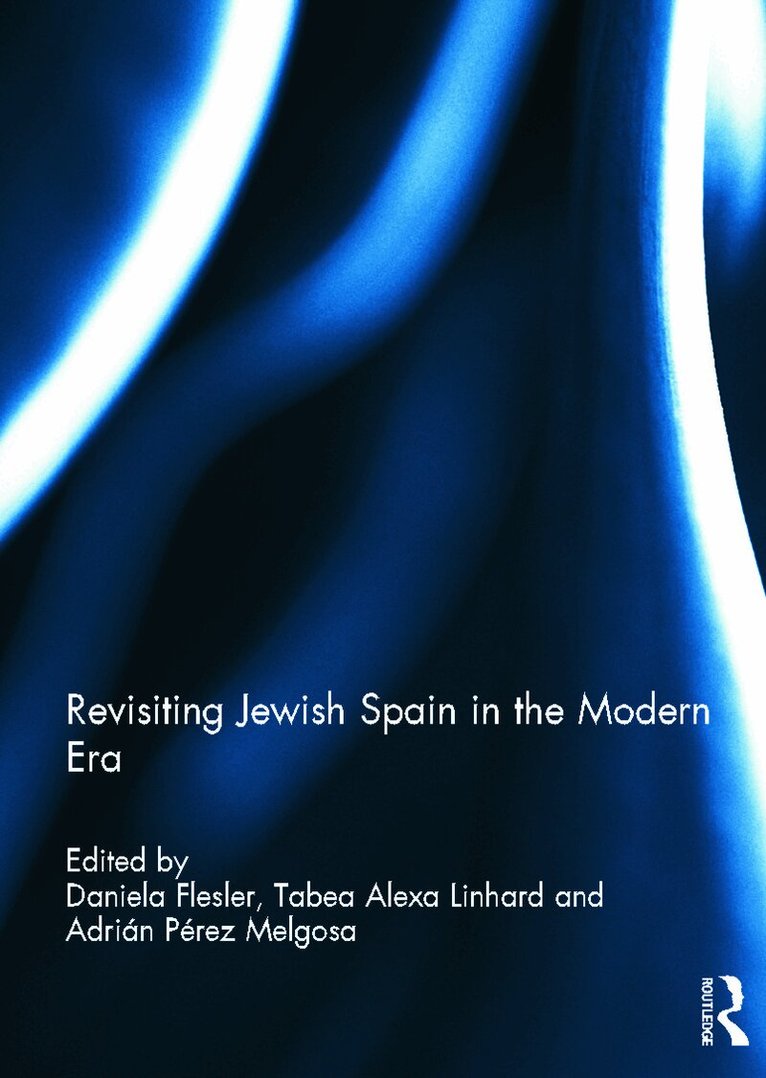
This innovative volume offers fresh perspectives and directions on the intersection of Hispanic and Jewish studies. It shows how 'Jewishness' has played a crucial role in Spanish political, social, and cultural developments in the modern era, exploring the effects of the multiple material and symbolic absences of Jews and Judaism from modern Spanish society. The book considers the haunting presence that this absence has entailed. Contributors analyze the different and contradictory ways in which Spain as a nation has tried to come to terms with its Jewish memory and with Jews from the nineteenth century to the present: José Amador de los Ríos’ efforts to incorporate 'Jewishness' into the canon of Spanish national literature and history; the emergence in the mid-nineteenth century of the figure of the Jewish conspirator who seeks to foment revolutionary unrest in novels from Spain, Italy and France; the development of philosephardism and its interconnections with anti-Semitism, Spanish fascism and colonial ambitions at the turn of the twentieth century; the instrumentalization of the Spanish Jewish past during the Second Republic; the role of philosemitism in the development of Catalan nationalism; and the relationship between the memory of Sepharad and Holocaust commemoration in contemporary Spain. This book is based on a special issue of the Journal of Spanish Cultural Studies.
663 kr
Skickas inom 10-15 vardagar
This innovative volume offers fresh perspectives and directions on the intersection of Hispanic and Jewish studies. It shows how 'Jewishness' has played a crucial role in Spanish political, social, and cultural developments in the modern era, exploring the effects of the multiple material and symbolic absences of Jews and Judaism from modern Spanish society. The book considers the haunting presence that this absence has entailed. Contributors analyze the different and contradictory ways in which Spain as a nation has tried to come to terms with its Jewish memory and with Jews from the nineteenth century to the present: José Amador de los Ríos’ efforts to incorporate 'Jewishness' into the canon of Spanish national literature and history; the emergence in the mid-nineteenth century of the figure of the Jewish conspirator who seeks to foment revolutionary unrest in novels from Spain, Italy and France; the development of philosephardism and its interconnections with anti-Semitism, Spanish fascism and colonial ambitions at the turn of the twentieth century; the instrumentalization of the Spanish Jewish past during the Second Republic; the role of philosemitism in the development of Catalan nationalism; and the relationship between the memory of Sepharad and Holocaust commemoration in contemporary Spain. This book is based on a special issue of the Journal of Spanish Cultural Studies.
529 kr
Skickas inom 10-15 vardagar
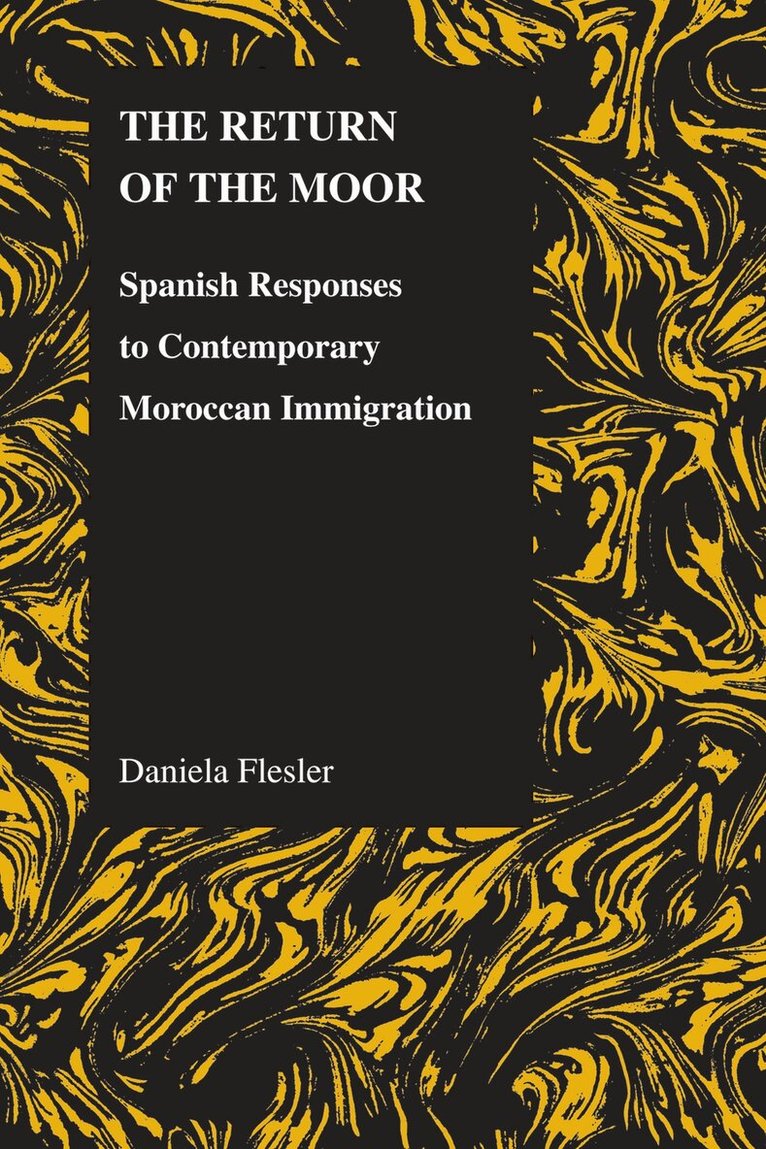
With the intense economic development and accelerated modernization experienced by Spain since the 1970s, and especially following its entrance into the European Economic Community in 1986, the country has undergone a rapid inversion in migratory patterns. After being an exporter of economic migrants for almost a century, in the last twenty years Spain has seen itself on the receiving end of immigration. Coinciding with a time when Spain is highlighting its belonging to Europe, the growing presence of Moroccan immigrants in particular confronts Spanish society with the repressed non-European, African and Oriental aspects of its national identity.""The Return of the Moor"" examines the anxiety over symbolic and literal boundaries permeating the Spanish reception of these immigrants through an interdisciplinary analysis of social, fictional, and performative texts. It argues that Moroccans constitute a 'problem' to Spaniards not because of their cultural differences, as many claim, but because they are not different enough. Perceived as 'Moors', they conjure up past ghosts that continue to haunt the Spanish imaginary, revealing the acute tensions inherent in Spain's liminal position between Europe and Africa.