Daniele M. Gilkes – författare
Visar alla böcker från författaren Daniele M. Gilkes. Handla med fri frakt och snabb leverans.
4 produkter
4 produkter
2 180 kr
Skickas inom 10-15 vardagar
This volume explores the latest ways to detect hypoxia in the context of cancer, including techniques to study gene expression changes, protein responses, and cellular adaptations to low-oxygen conditions. This book also covers new protocols to characterize hypoxia in tumors with high spatial resolution and novel therapeutic approaches that consider the complex microenvironments of solid tumors. Written in the highly successful Methods in Molecular Biology series format, chapters include introductions to their respective topics, lists of the necessary materials and reagents, step-by-step, readily reproducible laboratory protocols, and tips on troubleshooting and avoiding known pitfalls.Comprehensive and cutting-edge, Hypoxia: Methods and Protocols is a valuable tool to help cancer researchers and other scientists detect hypoxia in cancer and other disease pathologies.

1 419 kr
Skickas inom 10-15 vardagar
This volume explores the latest ways to detect hypoxia in the context of cancer, including techniques to study gene expression changes, protein responses, and cellular adaptations to low-oxygen conditions. This book also covers new protocols to characterize hypoxia in tumors with high spatial resolution and novel therapeutic approaches that consider the complex microenvironments of solid tumors. Written in the highly successful Methods in Molecular Biology series format, chapters include introductions to their respective topics, lists of the necessary materials and reagents, step-by-step, readily reproducible laboratory protocols, and tips on troubleshooting and avoiding known pitfalls.Comprehensive and cutting-edge, Hypoxia: Methods and Protocols is a valuable tool to help cancer researchers and other scientists detect hypoxia in cancer and other disease pathologies.

1 419 kr
Skickas inom 10-15 vardagar
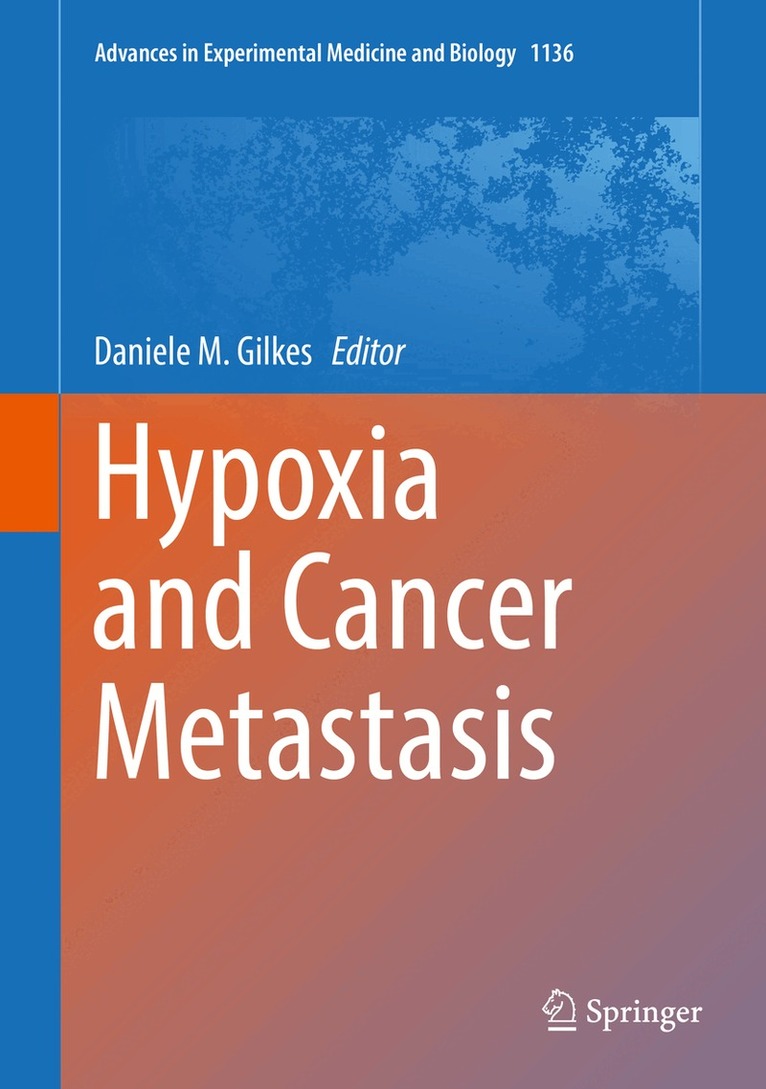
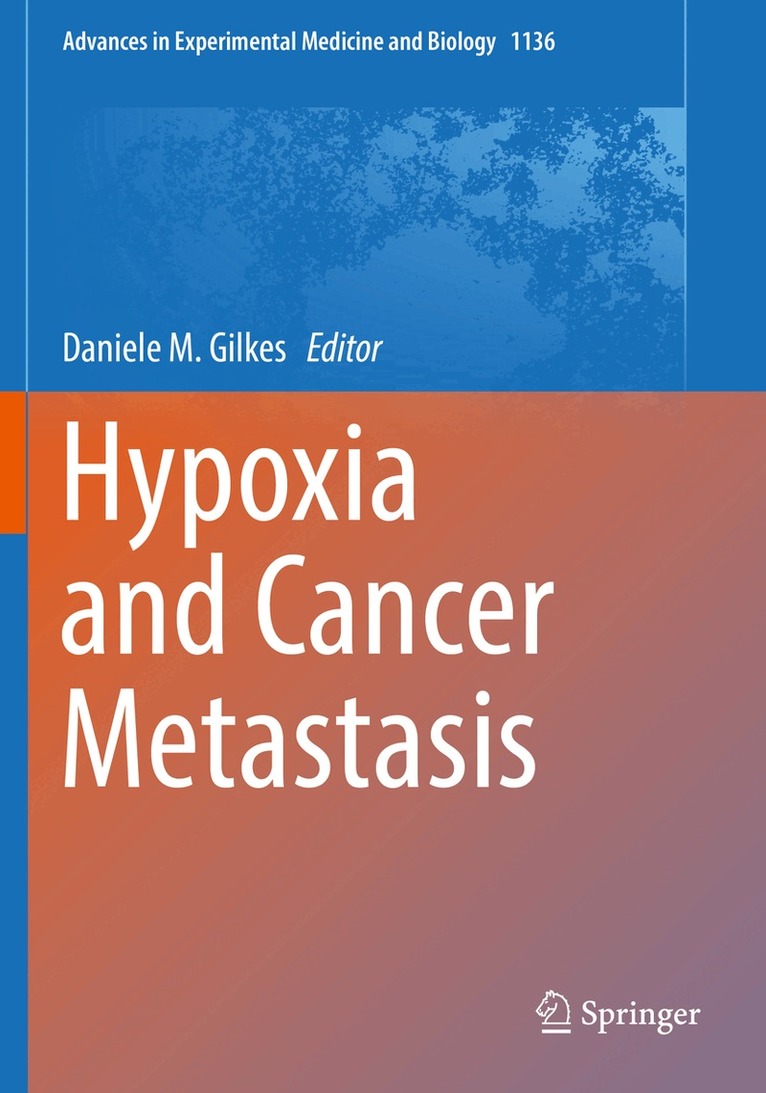
The present book is an attempt to provide a detailed review of studies that clarify our current understanding of the role of hypoxia in the progression of primary cancer to metastatic disease. It will enable researchers to discover the critical cellular changes that occur under hypoxic conditions and play a role in metastatic dissemination, from the activation of hypoxia-inducible factors, HIF-1 and HIF-2, to the transcriptional profile changes that occur in cancer cells and promote cancer cell survival under detrimental conditions.Readers will discover the methods and challenges involved in imaging and quantifying the degree of hypoxia in a primary tumor. We will provide an understanding of the hypoxia-induced phenotypes that influence heterogeneity, alter the secretome and tumor microenvironment, modify cellular metabolism, and promote immune suppression and resistance to chemotherapy. Finally, we will uncover the therapeutic strategies that are being devised to target the hypoxic microenvironment in the hopes of preventing metastasis and improving the efficacy of standard-of-care cancer treatments. This work is an up to date source of information on the challenges and complexity of the hypoxic tumor microenvironment. Basic and translational scientists, post-doctoral fellows, graduate students, and those interested in how tumors metastasize will find this book a reference that details how hypoxia influences metastatic disease.
Del 1136 - Advances in Experimental Medicine and Biology
Hypoxia and Cancer Metastasis
Häftad, Engelska, 2020
1 419 kr
Skickas inom 10-15 vardagar
The present book is an attempt to provide a detailed review of studies that clarify our current understanding of the role of hypoxia in the progression of primary cancer to metastatic disease. It will enable researchers to discover the critical cellular changes that occur under hypoxic conditions and play a role in metastatic dissemination, from the activation of hypoxia-inducible factors, HIF-1 and HIF-2, to the transcriptional profile changes that occur in cancer cells and promote cancer cell survival under detrimental conditions.Readers will discover the methods and challenges involved in imaging and quantifying the degree of hypoxia in a primary tumor. We will provide an understanding of the hypoxia-induced phenotypes that influence heterogeneity, alter the secretome and tumor microenvironment, modify cellular metabolism, and promote immune suppression and resistance to chemotherapy. Finally, we will uncover the therapeutic strategies that are being devised to target the hypoxic microenvironment in the hopes of preventing metastasis and improving the efficacy of standard-of-care cancer treatments. This work is an up to date source of information on the challenges and complexity of the hypoxic tumor microenvironment. Basic and translational scientists, post-doctoral fellows, graduate students, and those interested in how tumors metastasize will find this book a reference that details how hypoxia influences metastatic disease.