Danielle Tracey – författare
Visar alla böcker från författaren Danielle Tracey. Handla med fri frakt och snabb leverans.
11 produkter
11 produkter
E-bok
PDF, Engelska, 2025816 kr
Läs direkt efter köp
E-bok
Engelska, 2025824 kr
Läs direkt efter köp
Häftad, Engelska, 2025
690 kr
Skickas inom 7-10 vardagar
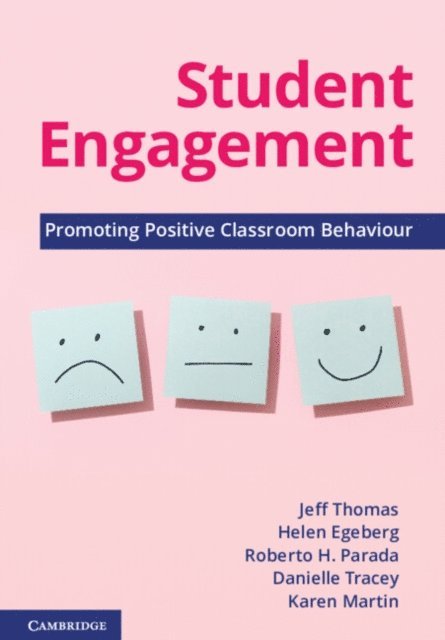
Student Engagement: Promoting Positive Classroom Behaviour encourages pre-service teachers in Australian primary and secondary schools to make choices about how best to design and manage their classrooms and schools to maximise productive behaviour and learning. The text explores numerous dimensions of student engagement from within and outside school settings, including verbal and non-verbal communication; disengaged behaviours and corrective strategies; trauma-informed practice; working with students with emotional and behavioural disorders; and bullying prevention and intervention strategies. Linking to the Australian Professional Standards for Teachers (APSTs), each chapter includes 'Embedding the theory' and 'Story from the field' boxes that discuss the theoretical research behind different approaches to engagement and explore their practical applications. 'Making professional decisions' boxes at the end of each chapter also provide further guidance on how to approach different situations and build a repertoire of resources for practice.
Häftad, Engelska, 2015
667 kr
Skickas inom 5-8 vardagar
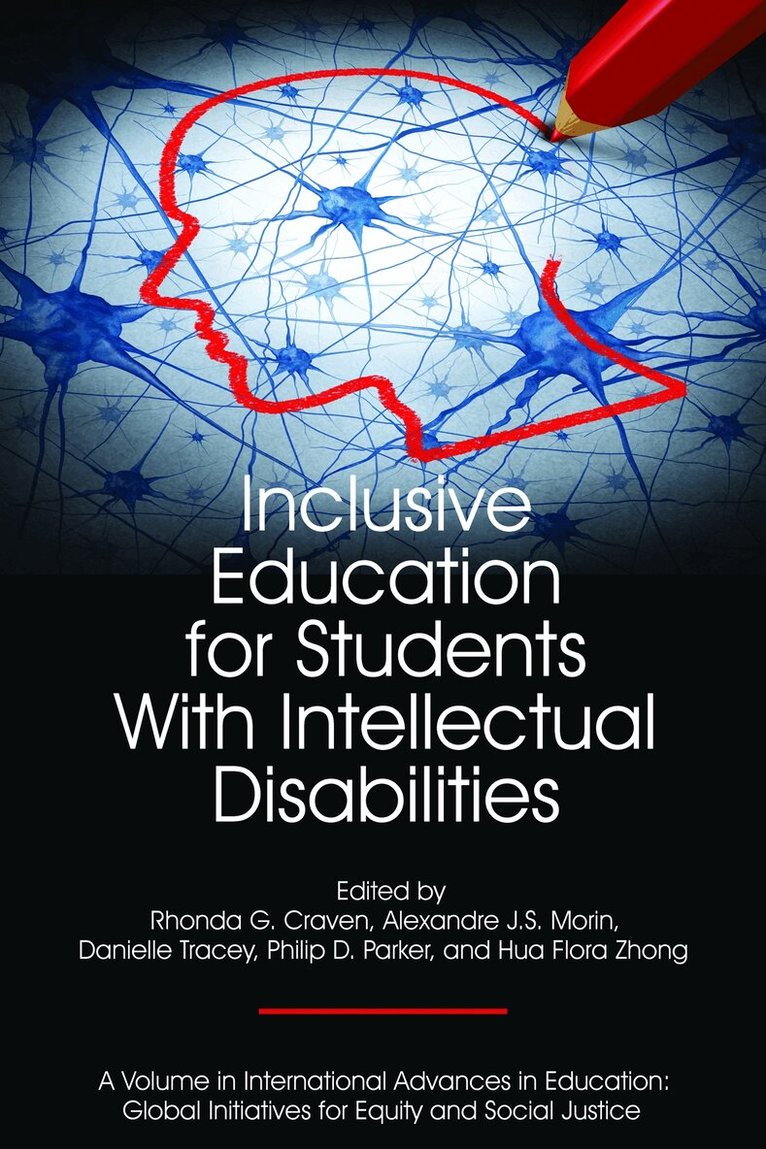
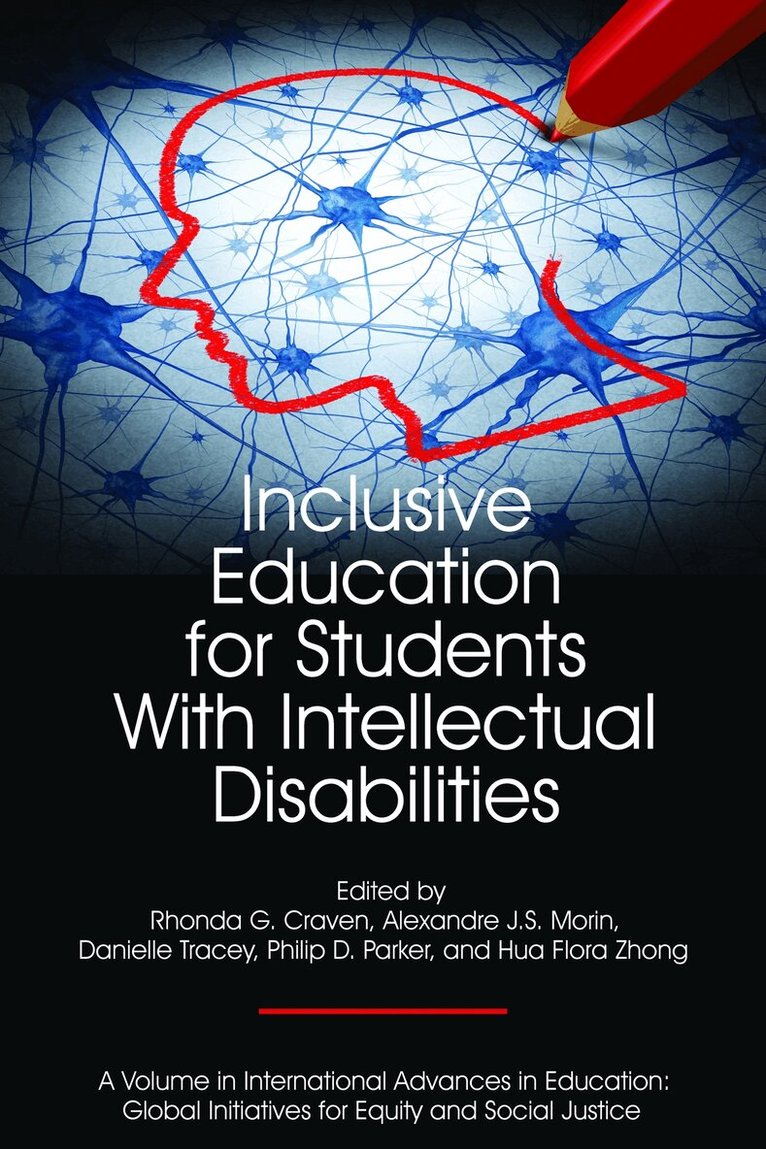
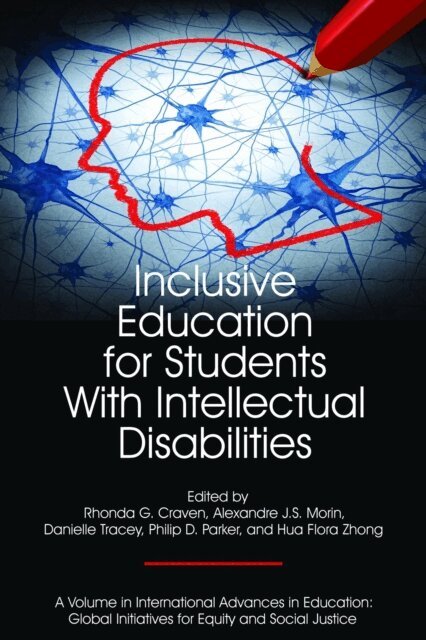
As a social justice endeavor, one of the goals of inclusive education is to bolster the education of all students by promoting equal opportunities for all, and investing sufficient support, curriculum and pedagogy that cultivates high self-concepts, emphasizes students’ strengths rather than weaknesses, and assists students to reach their optimal potential to make a contribution to society. Dedicated to the identification of international strategies to achieve this goal, Inclusive Education for Students with Intellectual Disabilities presents examples of theory, research, policy, and practice that will advance our understanding of how best to educate and more generally structure educational environments to promote social justice and equity. Importantly, this discussion transcends research methodology, context, and geographical locations and may lead to far-reaching applications. As such, the focus is placed on research-derived educational and psycho-educative practices that seed success for students with intellectual disabilities in inclusive educational settings and the volume showcases new directions in theory, research, and practice that may inform the education and psychosocial development of students with intellectual disabilities globally.The chapter contributors in this volume consist of 31 scholars from ten different countries, and they come from a great variety of research areas (i.e., teacher education, educational psychology, special education and disability policy, special needs and inclusive education, health sciences). This volume, with a series of subsections, offers insights and useful strategies to promote meaningful advances for students with intellectual disabilities globally.
Inbunden, Engelska, 2015
1 130 kr
Skickas inom 5-8 vardagar
As a social justice endeavor, one of the goals of inclusive education is to bolster the education of all students by promoting equal opportunities for all, and investing sufficient support, curriculum and pedagogy that cultivates high self-concepts, emphasizes students’ strengths rather than weaknesses, and assists students to reach their optimal potential to make a contribution to society. Dedicated to the identification of international strategies to achieve this goal, Inclusive Education for Students with Intellectual Disabilities presents examples of theory, research, policy, and practice that will advance our understanding of how best to educate and more generally structure educational environments to promote social justice and equity. Importantly, this discussion transcends research methodology, context, and geographical locations and may lead to far-reaching applications. As such, the focus is placed on research-derived educational and psycho-educative practices that seed success for students with intellectual disabilities in inclusive educational settings and the volume showcases new directions in theory, research, and practice that may inform the education and psychosocial development of students with intellectual disabilities globally.The chapter contributors in this volume consist of 31 scholars from ten different countries, and they come from a great variety of research areas (i.e., teacher education, educational psychology, special education and disability policy, special needs and inclusive education, health sciences). This volume, with a series of subsections, offers insights and useful strategies to promote meaningful advances for students with intellectual disabilities globally.
E-bok
Engelska, 2015464 kr
Läs direkt efter köp
As a social justice endeavor, one of the goals of inclusive education is to bolster the education of all students by promoting equal opportunities for all, and investing sufficient support, curriculum and pedagogy that cultivates high self-concepts, emphasizes students' strengths rather than weaknesses, and assists students to reach their optimal potential to make a contribution to society. Dedicated to the identification of international strategies to achieve this goal, Inclusive Education for Students with Intellectual Disabilities presents examples of theory, research, policy, and practice that will advance our understanding of how best to educate and more generally structure educational environments to promote social justice and equity. Importantly, this discussion transcends research methodology, context, and geographical locations and may lead to far-reaching applications. As such, the focus is placed on research-derived educational and psycho-educative practices that seed success for students with intellectual disabilities in inclusive educational settings and the volume showcases new directions in theory, research, and practice that may inform the education and psychosocial development of students with intellectual disabilities globally.The chapter contributors in this volume consist of 31 scholars from ten different countries, and they come from a great variety of research areas (i.e., teacher education, educational psychology, special education and disability policy, special needs and inclusive education, health sciences). This volume, with a series of subsections, offers insights and useful strategies to promote meaningful advances for students with intellectual disabilities globally.
Häftad, Engelska, 2017
637 kr
Skickas inom 5-8 vardagar
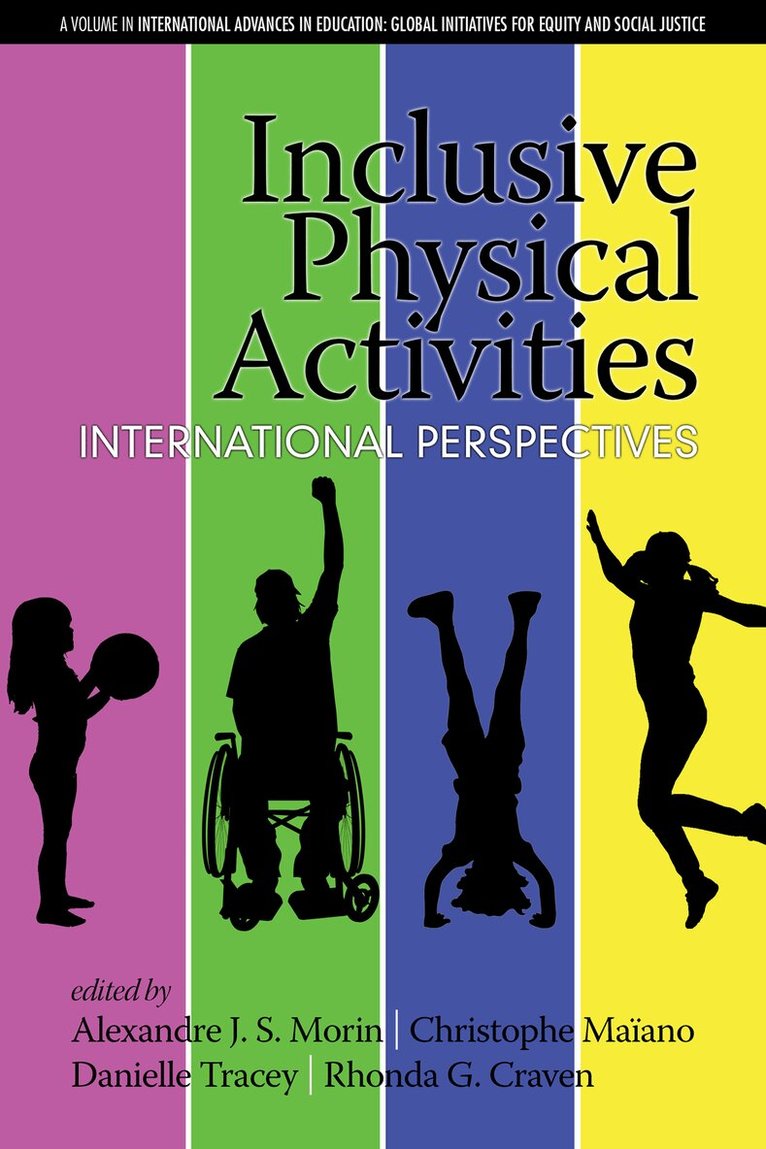
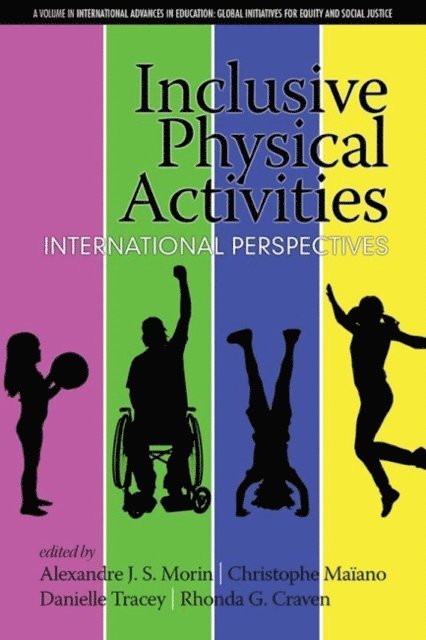
Increasing numbers of children and adolescents internationally are being diagnosed with secondary health problems (e.g., overweight-obesity, diabetes, asthma, anxiety, etc.) due in part, or at least related to, a lack of physical activity. Children and adolescents with various forms of special needs (for example, children and adolescents with physical or intellectual disabilities, children and adolescents from disadvantaged social backgrounds and children and adolescents with chronic illnesses) seem to be particularly at risk for secondary health problems, which in the end limit their social participation and inclusion, as well as their ability to achieve their full potential and to lead happy and fulfilling lives. For these children and adolescents, involvement in regular physical activities (including fitness activities and sports) may have far reaching benefits. For instance, organized physical activities are known to represent an effective vehicle for interventions for children and adolescents with special needs who do not seem to benefit as much as others from more traditional, verbal-oriented approaches. Organized physical activities (in or out of school) further provide these children and adolescents with opportunities to interact in a positive manner with prosocial peers and adults who may serve as positive role models for them. There is currently a paucity of research about physical activities that effectively include children and adolescents with a range of special needs or research that identifies evidence-based strategies that seed success in maximizing the involvement in, and the positive biopsychosocial outcomes associated with, the practice of physical activity. This dearth of research is impeding progress in addressing the biopsychosocial disadvantage that these children and adolescents encounter, the development of new solutions for enabling full potential, and ensuring that children and adolescents with special needs not only succeed, but also flourish in life.This volume includes examples of theory, research, policy, and practice that will advance our understanding of how best to encourage these children and adolescents to participate regularly in physical activity, how to maximize the biopsychosocial benefits of involvement in physical activities, and how to ensure that these physical activities are inclusive for children and adolescents with special needs. The focus will be placed on research-derived physical activity practices that seed success for children and adolescents with special needs, and new directions in theory, research, and practice that have implications for enhancing physical activity practices with at-risk children and adolescents.The themes covered in this volume include:- Strategies to maximise participation of children and adolescents with special needs in physical activity as a global priority;- Strategies to maximise the social inclusion of children and adolescents with special needs in general physical activities;- Effective physical education strategies to enhance biopsychosocial outcomes for children and adolescents with special needs;- Advancing the practice of educators and coaches to cultivate the social inclusion and participation in physical activity of children and adolescents with special needs; and- Challenging the meaning and implementation of inclusive practices in physical education globally.
Inbunden, Engelska, 2017
1 127 kr
Skickas inom 5-8 vardagar
Increasing numbers of children and adolescents internationally are being diagnosed with secondary health problems (e.g., overweight-obesity, diabetes, asthma, anxiety, etc.) due in part, or at least related to, a lack of physical activity. Children and adolescents with various forms of special needs (for example, children and adolescents with physical or intellectual disabilities, children and adolescents from disadvantaged social backgrounds and children and adolescents with chronic illnesses) seem to be particularly at risk for secondary health problems, which in the end limit their social participation and inclusion, as well as their ability to achieve their full potential and to lead happy and fulfilling lives. For these children and adolescents, involvement in regular physical activities (including fitness activities and sports) may have far reaching benefits. For instance, organized physical activities are known to represent an effective vehicle for interventions for children and adolescents with special needs who do not seem to benefit as much as others from more traditional, verbal-oriented approaches. Organized physical activities (in or out of school) further provide these children and adolescents with opportunities to interact in a positive manner with prosocial peers and adults who may serve as positive role models for them. There is currently a paucity of research about physical activities that effectively include children and adolescents with a range of special needs or research that identifies evidence-based strategies that seed success in maximizing the involvement in, and the positive biopsychosocial outcomes associated with, the practice of physical activity. This dearth of research is impeding progress in addressing the biopsychosocial disadvantage that these children and adolescents encounter, the development of new solutions for enabling full potential, and ensuring that children and adolescents with special needs not only succeed, but also flourish in life.This volume includes examples of theory, research, policy, and practice that will advance our understanding of how best to encourage these children and adolescents to participate regularly in physical activity, how to maximize the biopsychosocial benefits of involvement in physical activities, and how to ensure that these physical activities are inclusive for children and adolescents with special needs. The focus will be placed on research-derived physical activity practices that seed success for children and adolescents with special needs, and new directions in theory, research, and practice that have implications for enhancing physical activity practices with at-risk children and adolescents.The themes covered in this volume include:- Strategies to maximise participation of children and adolescents with special needs in physical activity as a global priority;- Strategies to maximise the social inclusion of children and adolescents with special needs in general physical activities;- Effective physical education strategies to enhance biopsychosocial outcomes for children and adolescents with special needs;- Advancing the practice of educators and coaches to cultivate the social inclusion and participation in physical activity of children and adolescents with special needs; and- Challenging the meaning and implementation of inclusive practices in physical education globally.
E-bok
Engelska, 2017443 kr
Läs direkt efter köp
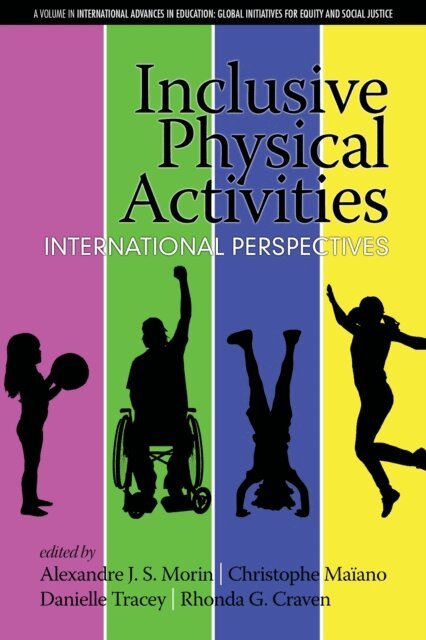
Increasing numbers of children and adolescents internationally are being diagnosed with secondary health problems (e.g., overweight-obesity, diabetes, asthma, anxiety, etc.) due in part, or at least related to, a lack of physical activity. Children and adolescents with various forms of special needs (for example, children and adolescents with physical or intellectual disabilities, children and adolescents from disadvantaged social backgrounds and children and adolescents with chronic illnesses) seem to be particularly at risk for secondary health problems, which in the end limit their social participation and inclusion, as well as their ability to achieve their full potential and to lead happy and fulfilling lives. For these children and adolescents, involvement in regular physical activities (including fitness activities and sports) may have far reaching benefits. For instance, organized physical activities are known to represent an effective vehicle for interventions for children and adolescents with special needs who do not seem to benefit as much as others from more traditional, verbal-oriented approaches. Organized physical activities (in or out of school) further provide these children and adolescents with opportunities to interact in a positive manner with prosocial peers and adults who may serve as positive role models for them. There is currently a paucity of research about physical activities that effectively include children and adolescents with a range of special needs or research that identifies evidence-based strategies that seed success in maximizing the involvement in, and the positive biopsychosocial outcomes associated with, the practice of physical activity. This dearth of research is impeding progress in addressing the biopsychosocial disadvantage that these children and adolescents encounter, the development of new solutions for enabling full potential, and ensuring that children and adolescents with special needs not only succeed, but also flourish in life. This volume includes examples of theory, research, policy, and practice that will advance our understanding of how best to encourage these children and adolescents to participate regularly in physical activity, how to maximize the biopsychosocial benefits of involvement in physical activities, and how to ensure that these physical activities are inclusive for children and adolescents with special needs. The focus will be placed on research-derived physical activity practices that seed success for children and adolescents with special needs, and new directions in theory, research, and practice that have implications for enhancing physical activity practices with at-risk children and adolescents. The themes covered in this volume include:- Strategies to maximise participation of children and adolescents with special needs in physical activity as a global priority;- Strategies to maximise the social inclusion of children and adolescents with special needs in general physical activities;- Effective physical education strategies to enhance biopsychosocial outcomes for children and adolescents with special needs;- Advancing the practice of educators and coaches to cultivate the social inclusion and participation in physical activity of children and adolescents with special needs; and- Challenging the meaning and implementation of inclusive practices in physical education globally.
E-bok
Engelska, 2017664 kr
Läs direkt efter köp
Increasing numbers of children and adolescents internationally are being diagnosed with secondary health problems (e.g., overweight-obesity, diabetes, asthma, anxiety, etc.) due in part, or at least related to, a lack of physical activity. Children and adolescents with various forms of special needs (for example, children and adolescents with physical or intellectual disabilities, children and adolescents from disadvantaged social backgrounds and children and adolescents with chronic illnesses) seem to be particularly at risk for secondary health problems, which in the end limit their social participation and inclusion, as well as their ability to achieve their full potential and to lead happy and fulfilling lives. For these children and adolescents, involvement in regular physical activities (including fitness activities and sports) may have far reaching benefits. For instance, organized physical activities are known to represent an effective vehicle for interventions for children and adolescents with special needs who do not seem to benefit as much as others from more traditional, verbal-oriented approaches. Organized physical activities (in or out of school) further provide these children and adolescents with opportunities to interact in a positive manner with prosocial peers and adults who may serve as positive role models for them. There is currently a paucity of research about physical activities that effectively include children and adolescents with a range of special needs or research that identifies evidence-based strategies that seed success in maximizing the involvement in, and the positive biopsychosocial outcomes associated with, the practice of physical activity. This dearth of research is impeding progress in addressing the biopsychosocial disadvantage that these children and adolescents encounter, the development of new solutions for enabling full potential, and ensuring that children and adolescents with special needs not only succeed, but also flourish in life. This volume includes examples of theory, research, policy, and practice that will advance our understanding of how best to encourage these children and adolescents to participate regularly in physical activity, how to maximize the biopsychosocial benefits of involvement in physical activities, and how to ensure that these physical activities are inclusive for children and adolescents with special needs. The focus will be placed on research-derived physical activity practices that seed success for children and adolescents with special needs, and new directions in theory, research, and practice that have implications for enhancing physical activity practices with at-risk children and adolescents. The themes covered in this volume include:- Strategies to maximise participation of children and adolescents with special needs in physical activity as a global priority;- Strategies to maximise the social inclusion of children and adolescents with special needs in general physical activities;- Effective physical education strategies to enhance biopsychosocial outcomes for children and adolescents with special needs;- Advancing the practice of educators and coaches to cultivate the social inclusion and participation in physical activity of children and adolescents with special needs; and- Challenging the meaning and implementation of inclusive practices in physical education globally.
E-bok
Engelska, 2015696 kr
Läs direkt efter köp
As a social justice endeavor, one of the goals of inclusive education is to bolster the education of all students by promoting equal opportunities for all, and investing sufficient support, curriculum and pedagogy that cultivates high self-concepts, emphasizes students' strengths rather than weaknesses, and assists students to reach their optimal potential to make a contribution to society. Dedicated to the identification of international strategies to achieve this goal, Inclusive Education for Students with Intellectual Disabilities presents examples of theory, research, policy, and practice that will advance our understanding of how best to educate and more generally structure educational environments to promote social justice and equity. Importantly, this discussion transcends research methodology, context, and geographical locations and may lead to far-reaching applications. As such, the focus is placed on research-derived educational and psycho-educative practices that seed success for students with intellectual disabilities in inclusive educational settings and the volume showcases new directions in theory, research, and practice that may inform the education and psychosocial development of students with intellectual disabilities globally.The chapter contributors in this volume consist of 31 scholars from ten different countries, and they come from a great variety of research areas (i.e., teacher education, educational psychology, special education and disability policy, special needs and inclusive education, health sciences). This volume, with a series of subsections, offers insights and useful strategies to promote meaningful advances for students with intellectual disabilities globally.