Daphne Lentjes – författare
Visar alla böcker från författaren Daphne Lentjes. Handla med fri frakt och snabb leverans.
5 produkter
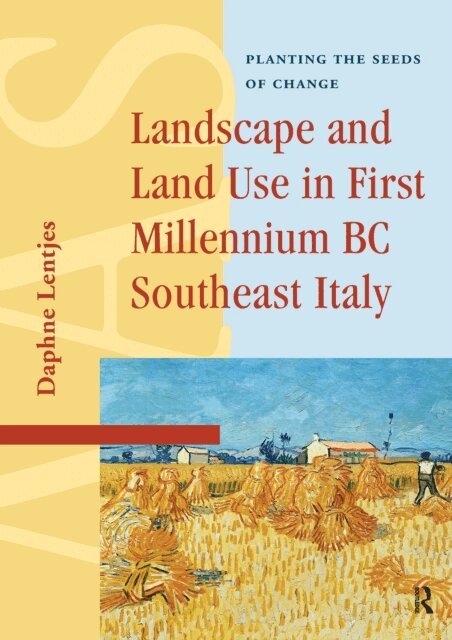
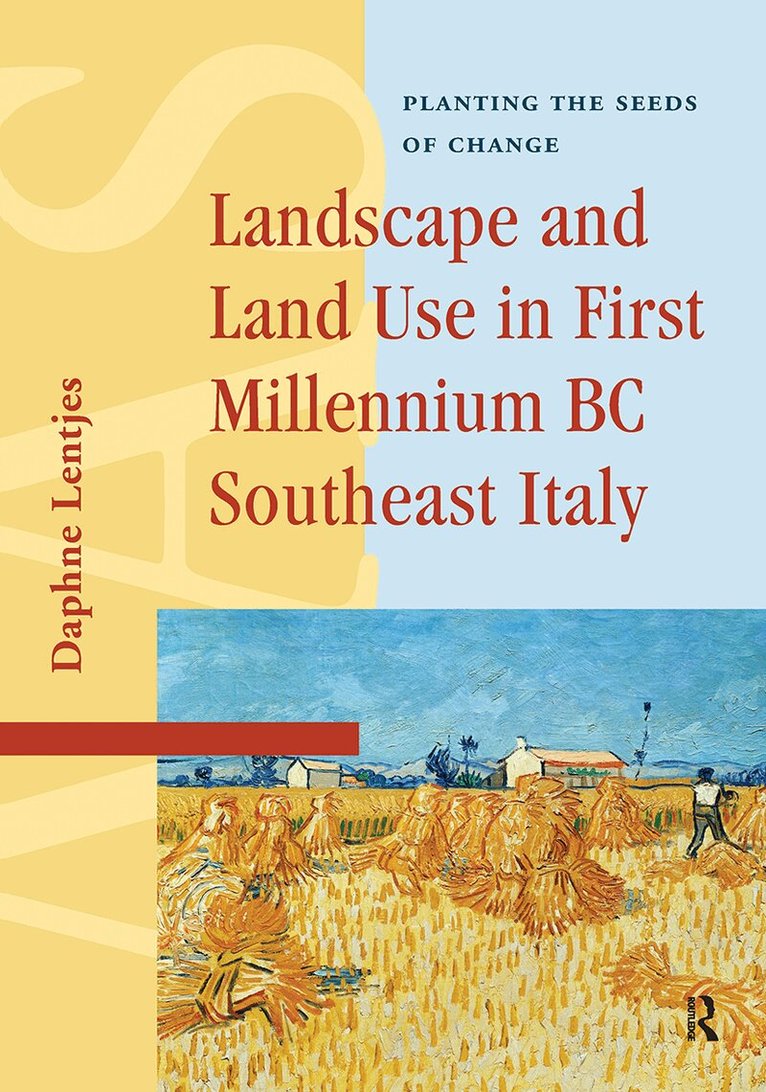
Landscape and Land Use in First Millennium BC Southeast Italy
Planting the Seeds of Change
E-bok, 2025
838 kr
Lägg i varukorg
This book offers a comprehensive overview of landscape and land use in southeast Italy in the first millennium BCE. Using the most up-to-date techniques, it combines archaeobotanical and archaeozoological data with information from excavations, field surveys, and ancient written texts to place the …
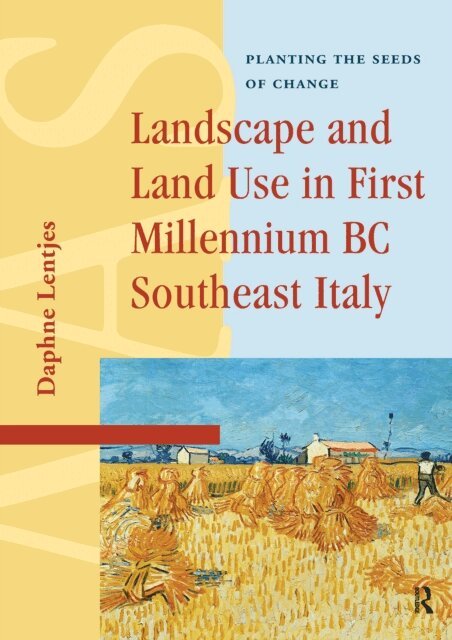
Landscape and Land Use in First Millennium BC Southeast Italy
Planting the Seeds of Change
E-bok, 2025
856 kr
Lägg i varukorg
This book offers a comprehensive overview of landscape and land use in southeast Italy in the first millennium BCE. Using the most up-to-date techniques, it combines archaeobotanical and archaeozoological data with information from excavations, field surveys, and ancient written texts to place the …
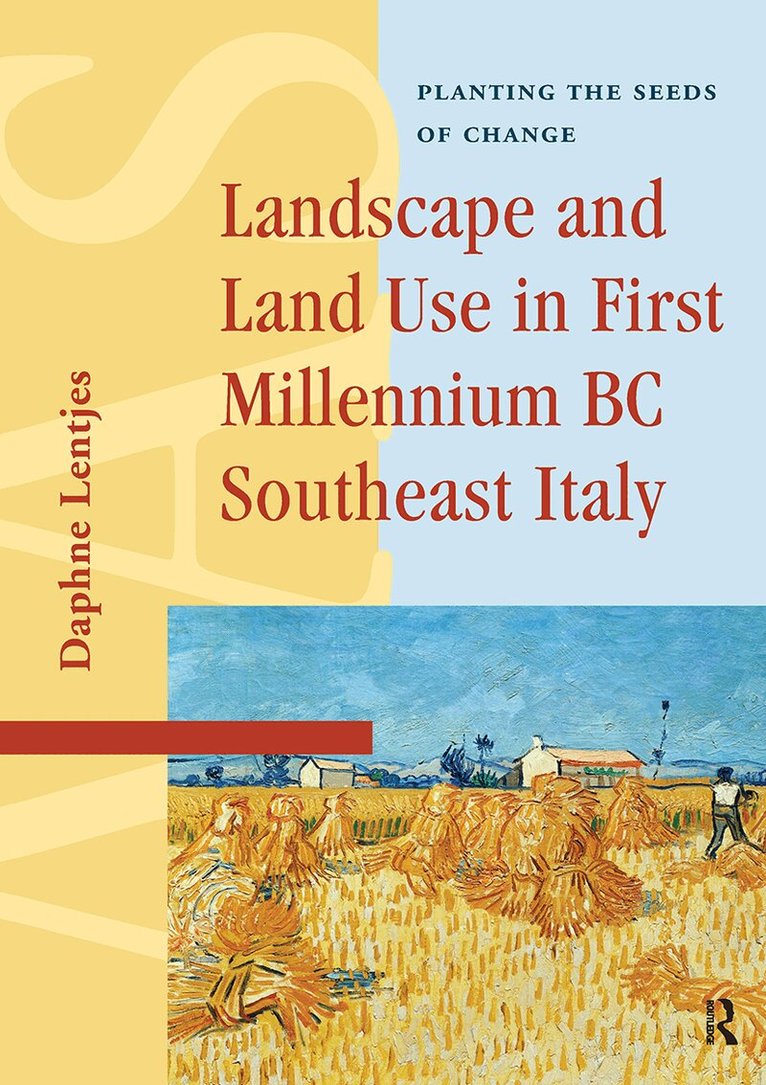
Landscape and Land Use in First Millennium BC Southeast Italy
Planting the Seeds of Change
Häftad, 2025
727 kr
Lägg i varukorg
This book offers a comprehensive overview of landscape and land use in southeast Italy in the first millennium BCE. Using the most up-to-date techniques, it combines archaeobotanical and archaeozoological data with information from excavations, field surveys, and ancient written texts to place the …
Barely Surviving or More than Enough?
The environmental archaeology of subsistence, specialisation and surplus food production
Av Maaike Groot, Daphne Lentjes m. fl.
Häftad, 2013
453 kr
Lägg i varukorg
How people produced or acquired their food in the past is one of the main questions in archaeology. Everyone needs food to survive, so the ways in which people managed to acquire it forms the very basis of human existence. Farming was key to the rise of human sedentarism. Once farming moved beyond …
Landscape and Land Use in First Millennium BC Southeast Italy
Planting the Seeds of Change
Inbunden, 2016
2550 kr
Lägg i varukorg
This book combines archaeobotanical and archaeozoological data with information from excavations, field surveys, and ancient written texts to place the relationship between people and landscapes in a broad geographical and chronological framework.