Darren Bradley – författare
Visar alla böcker från författaren Darren Bradley. Handla med fri frakt och snabb leverans.
6 produkter
6 produkter
Häftad, Engelska, 2015
503 kr
Skickas inom 10-15 vardagar
Formal methods are changing how epistemology is being studied and understood. A Critical Introduction to Formal Epistemology introduces the types of formal theories being used and explains how they are shaping the subject.Beginning with the basics of probability and Bayesianism, it shows how representing degrees of belief using probabilities informs central debates in epistemology. As well as discussing induction, the paradox of confirmation and the main challenges to Bayesianism, this comprehensive overview covers objective chance, peer disagreement, the concept of full belief, and the traditional problems of justification and knowledge. Subjecting each position to a critical analysis, it explains the main issues in formal epistemology, and the motivations and drawbacks of each position. Written in an accessible language and supported study questions, guides to further reading and a glossary, positions are placed in an historic context to give a sense of the development of the field. As the first introductory textbook on formal epistemology, A Critical Introduction to Formal Epistemology is an invaluable resource for students and scholars of contemporary epistemology.
E-bok
Engelska, 2015526 kr
Läs direkt efter köp
Formal methods are changing how epistemology is being studied and understood. A Critical Introduction to Formal Epistemology introduces the types of formal theories being used and explains how they are shaping the subject.Beginning with the basics of probability and Bayesianism, it shows how representing degrees of belief using probabilities informs central debates in epistemology. As well as discussing induction, the paradox of confirmation and the main challenges to Bayesianism, this comprehensive overview covers objective chance, peer disagreement, the concept of full belief, and the traditional problems of justification and knowledge. Subjecting each position to a critical analysis, it explains the main issues in formal epistemology, and the motivations and drawbacks of each position. Written in an accessible language and supported study questions, guides to further reading and a glossary, positions are placed in an historic context to give a sense of the development of the field. As the first introductory textbook on formal epistemology, A Critical Introduction to Formal Epistemology is an invaluable resource for students and scholars of contemporary epistemology.
E-bok
PDF, Engelska, 2015526 kr
Läs direkt efter köp
Formal methods are changing how epistemology is being studied and understood. A Critical Introduction to Formal Epistemology introduces the types of formal theories being used and explains how they are shaping the subject.Beginning with the basics of probability and Bayesianism, it shows how representing degrees of belief using probabilities informs central debates in epistemology. As well as discussing induction, the paradox of confirmation and the main challenges to Bayesianism, this comprehensive overview covers objective chance, peer disagreement, the concept of full belief, and the traditional problems of justification and knowledge. Subjecting each position to a critical analysis, it explains the main issues in formal epistemology, and the motivations and drawbacks of each position. Written in an accessible language and supported study questions, guides to further reading and a glossary, positions are placed in an historic context to give a sense of the development of the field. As the first introductory textbook on formal epistemology, A Critical Introduction to Formal Epistemology is an invaluable resource for students and scholars of contemporary epistemology.
Inbunden, Engelska, 2015
1 942 kr
Skickas inom 10-15 vardagar
Formal methods are changing how epistemology is being studied and understood. A Critical Introduction to Formal Epistemology introduces the types of formal theories being used and explains how they are shaping the subject.Beginning with the basics of probability and Bayesianism, it shows how representing degrees of belief using probabilities informs central debates in epistemology. As well as discussing induction, the paradox of confirmation and the main challenges to Bayesianism, this comprehensive overview covers objective chance, peer disagreement, the concept of full belief, and the traditional problems of justification and knowledge. Subjecting each position to a critical analysis, it explains the main issues in formal epistemology, and the motivations and drawbacks of each position. Written in an accessible language and supported study questions, guides to further reading and a glossary, positions are placed in an historic context to give a sense of the development of the field. As the first introductory textbook on formal epistemology, A Critical Introduction to Formal Epistemology is an invaluable resource for students and scholars of contemporary epistemology.
Inbunden, Engelska, 2025
1 092 kr
Skickas inom 10-15 vardagar
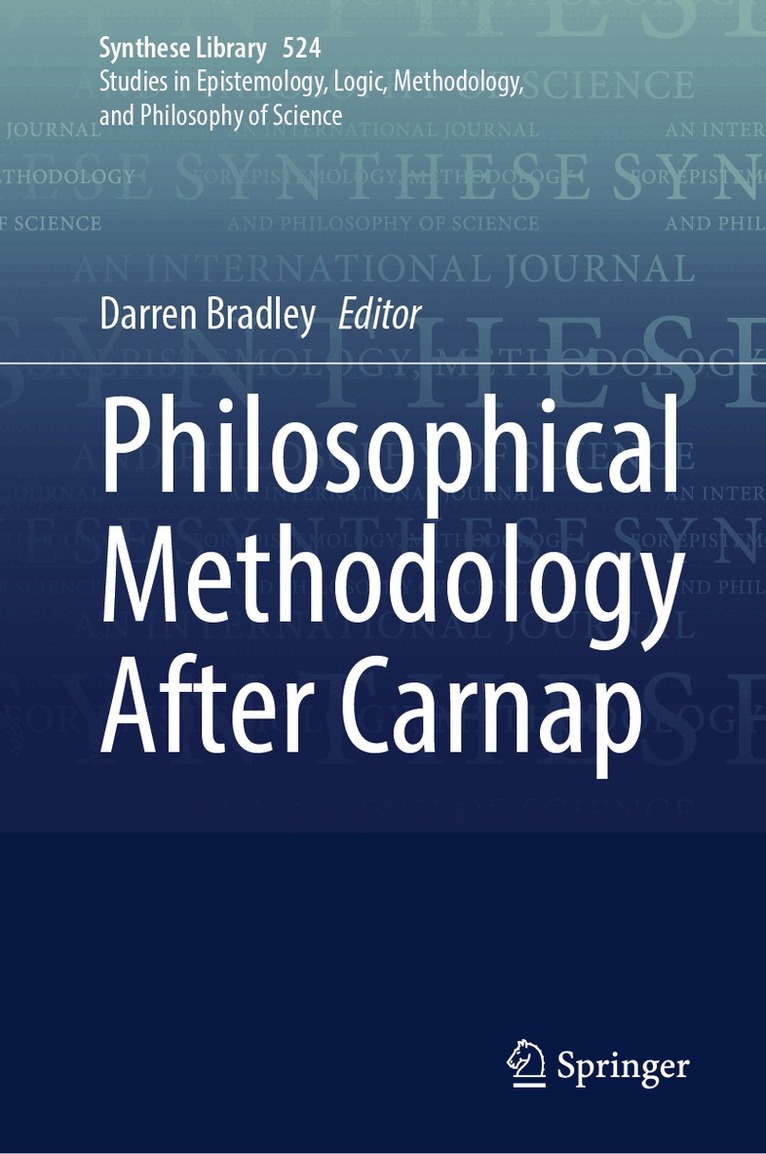
This book offers an exploration of how Carnap’s legacy informs and challenges current approaches to philosophical methodology. The volume gathers new essays centered on two themes. The first examines language pluralism and its implications for metaphysics: contributors explore whether and how the choice of linguistic framework shapes or constrains metaphysical disputes, and what becomes of metaphysical realism in a pluralist setting. The second theme concerns theoretical virtues such as simplicity, elegance, and explanatory power, and their role in the justification and evaluation of philosophical theories. Across both themes, the volume reflects on the continuing relevance of Carnapian ideas while also pressing beyond them, showing how methodological questions remain central to the practice of philosophy today.
E-bok
Engelska, 20251 416 kr
Läs direkt efter köp
This book offers an exploration of how Carnap’s legacy informs and challenges current approaches to philosophical methodology. The volume gathers new essays centered on two themes. The first examines language pluralism and its implications for metaphysics: contributors explore whether and how the choice of linguistic framework shapes or constrains metaphysical disputes, and what becomes of metaphysical realism in a pluralist setting. The second theme concerns theoretical virtues such as simplicity, elegance, and explanatory power, and their role in the justification and evaluation of philosophical theories. Across both themes, the volume reflects on the continuing relevance of Carnapian ideas while also pressing beyond them, showing how methodological questions remain central to the practice of philosophy today.