Darren Wershler – författare
Visar alla böcker från författaren Darren Wershler. Handla med fri frakt och snabb leverans.
8 produkter
8 produkter
Häftad, Engelska, 2014
407 kr
Skickas inom 5-8 vardagar
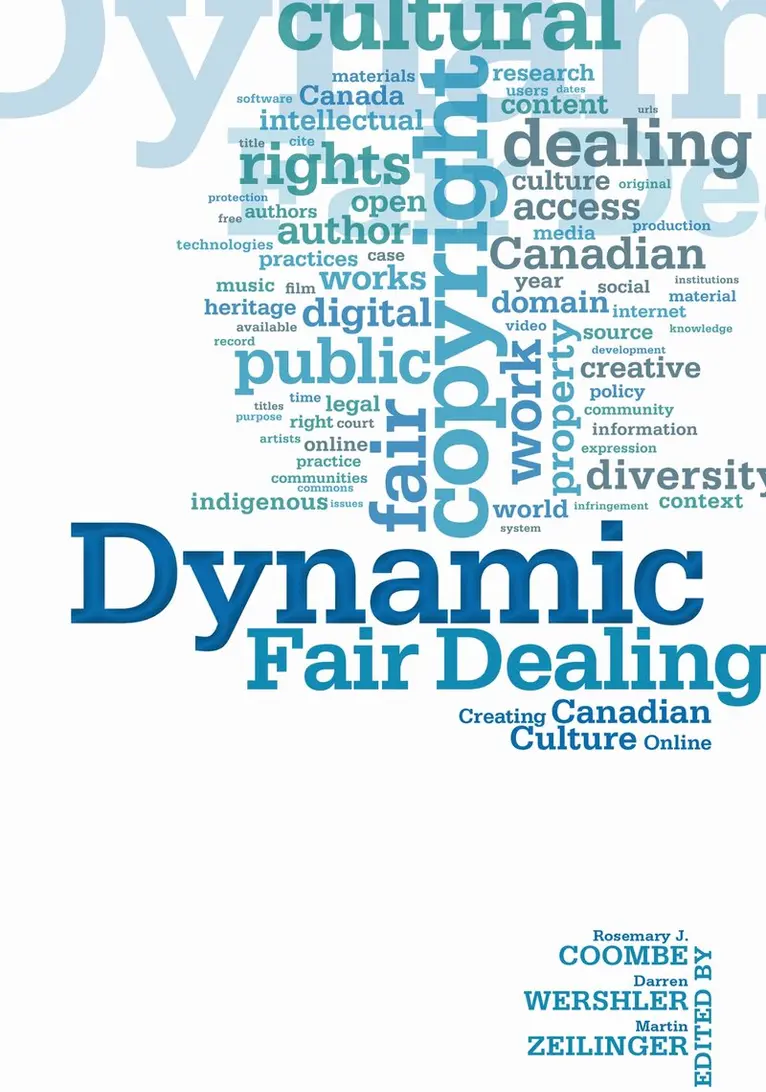
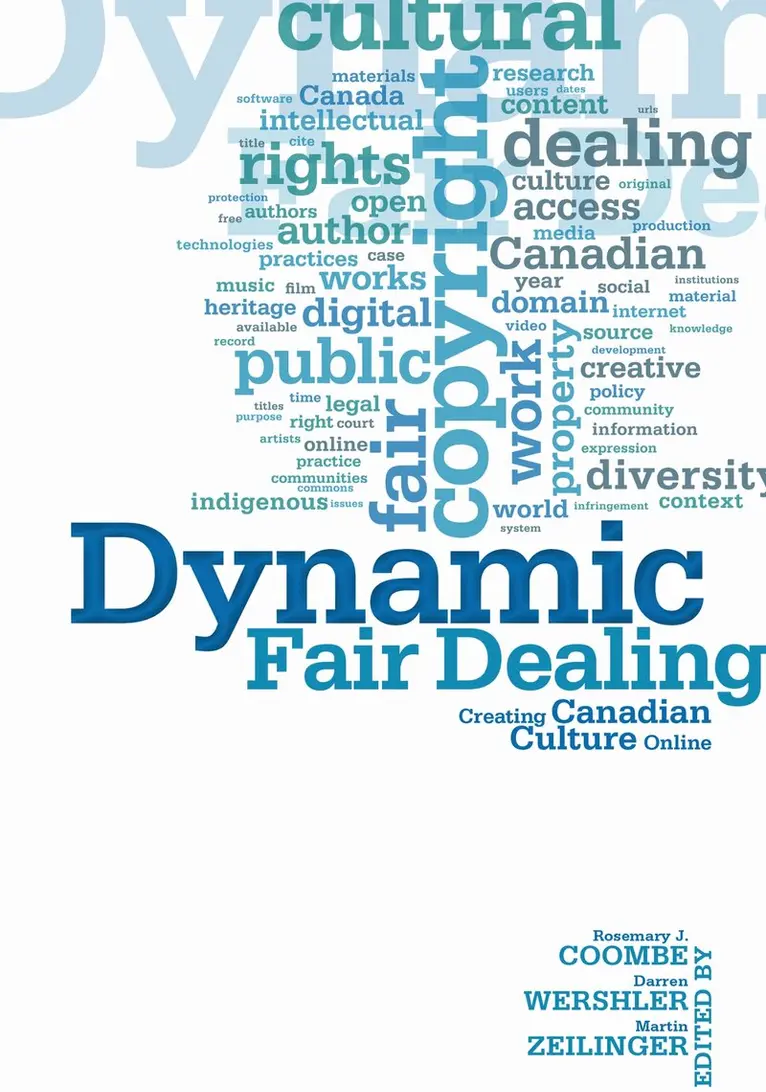
Dynamic Fair Dealing argues that only a dynamic, flexible, and equitable approach to cultural ownership can accommodate the astonishing range of ways that we create, circulate, manage, attribute, and make use of digital cultural objects.The Canadian legal tradition strives to balance the rights of copyright holders with public needs to engage with copyright protected material, but there is now a substantial gap between what people actually do with cultural forms and how the law understands those practices. Digital technologies continue to shape new forms of cultural production, circulation, and distribution that challenge both the practicality and the desirability of Canada's fair dealing provisions.Dynamic Fair Dealing presents a range of insightful and provocative essays that rethink our relationship to Canadian fair dealing policy. With contributions from scholars, activists, and artists from across disciplines, professions, and creative practices, this book explores the extent to which copyright has expanded into every facet of society and reveals how our capacities to actually deal fairly with cultural goods has suffered in the process. In order to drive conversations about the cultural worlds Canadians imagine, and the policy reforms we need to realize these visions, we need Dynamic Fair Dealing.
Inbunden, Engelska, 2014
796 kr
Skickas inom 5-8 vardagar
Dynamic Fair Dealing argues that only a dynamic, flexible, and equitable approach to cultural ownership can accommodate the astonishing range of ways that we create, circulate, manage, attribute, and make use of digital cultural objects.The Canadian legal tradition strives to balance the rights of copyright holders with public needs to engage with copyright protected material, but there is now a substantial gap between what people actually do with cultural forms and how the law understands those practices. Digital technologies continue to shape new forms of cultural production, circulation, and distribution that challenge both the practicality and the desirability of Canada's fair dealing provisions.Dynamic Fair Dealing presents a range of insightful and provocative essays that rethink our relationship to Canadian fair dealing policy. With contributions from scholars, activists, and artists from across disciplines, professions, and creative practices, this book explores the extent to which copyright has expanded into every facet of society and reveals how our capacities to actually deal fairly with cultural goods has suffered in the process. In order to drive conversations about the cultural worlds Canadians imagine, and the policy reforms we need to realize these visions, we need Dynamic Fair Dealing.
E-bok
PDF, Engelska, 2014520 kr
Läs direkt efter köp
Dynamic Fair Dealing argues that only a dynamic, flexible, and equitable approach to cultural ownership can accommodate the astonishing range of ways that we create, circulate, manage, attribute, and make use of digital cultural objects.The Canadian legal tradition strives to balance the rights of copyright holders with public needs to engage with copyright protected material, but there is now a substantial gap between what people actually do with cultural forms and how the law understands those practices. Digital technologies continue to shape new forms of cultural production, circulation, and distribution that challenge both the practicality and the desirability of Canada's fair dealing provisions.Dynamic Fair Dealing presents a range of insightful and provocative essays that rethink our relationship to Canadian fair dealing policy. With contributions from scholars, activists, and artists from across disciplines, professions, and creative practices, this book explores the extent to which copyright has expanded into every facet of society and reveals how our capacities to actually deal fairly with cultural goods has suffered in the process. In order to drive conversations about the cultural worlds Canadians imagine, and the policy reforms we need to realize these visions, we need Dynamic Fair Dealing.
E-bok
Engelska, 2014539 kr
Läs direkt efter köp
Dynamic Fair Dealing argues that only a dynamic, flexible, and equitable approach to cultural ownership can accommodate the astonishing range of ways that we create, circulate, manage, attribute, and make use of digital cultural objects.The Canadian legal tradition strives to balance the rights of copyright holders with public needs to engage with copyright protected material, but there is now a substantial gap between what people actually do with cultural forms and how the law understands those practices. Digital technologies continue to shape new forms of cultural production, circulation, and distribution that challenge both the practicality and the desirability of Canada's fair dealing provisions.Dynamic Fair Dealing presents a range of insightful and provocative essays that rethink our relationship to Canadian fair dealing policy. With contributions from scholars, activists, and artists from across disciplines, professions, and creative practices, this book explores the extent to which copyright has expanded into every facet of society and reveals how our capacities to actually deal fairly with cultural goods has suffered in the process. In order to drive conversations about the cultural worlds Canadians imagine, and the policy reforms we need to realize these visions, we need Dynamic Fair Dealing.
E-bok
PDF, Engelska, 2016387 kr
Läs direkt efter köp
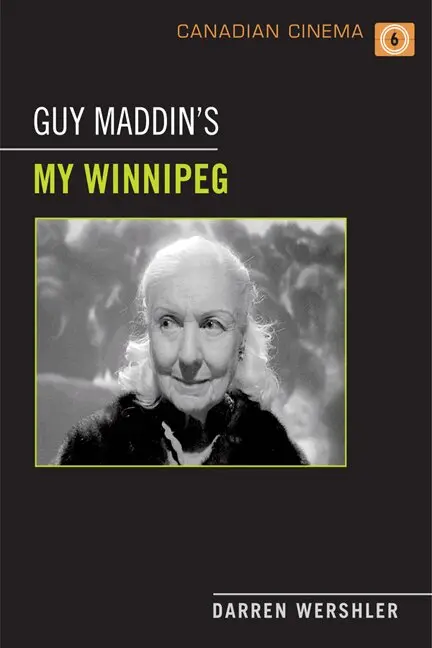
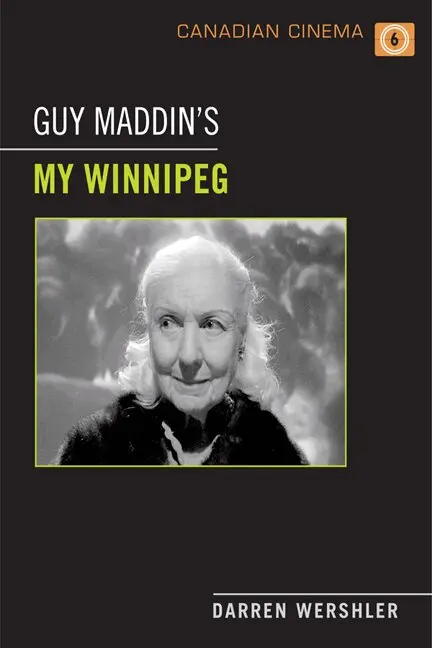
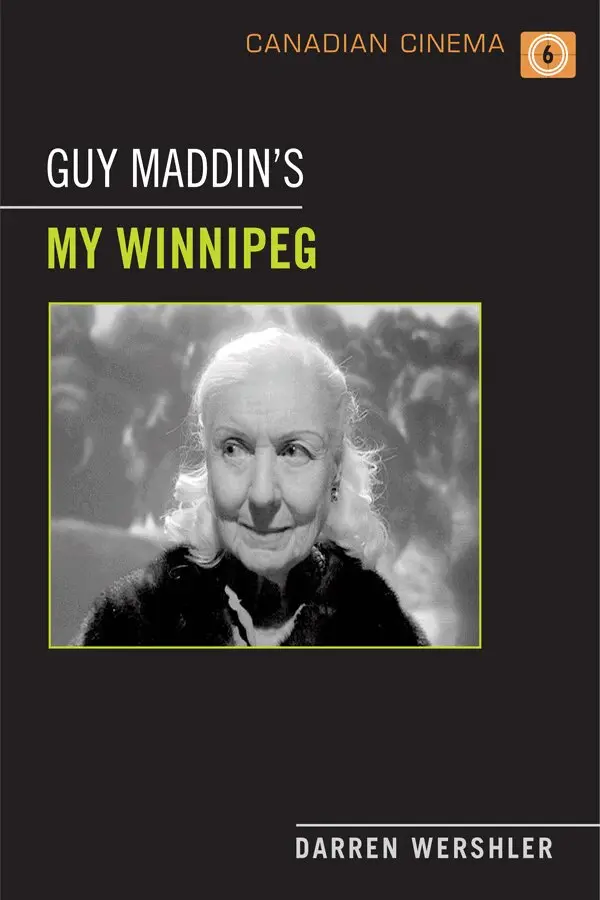
Guy Maddin is Canada's most iconoclastic filmmaker. Through his reinvention of half-forgotten film genres, his remobilization of abandoned techniques from the early history of cinema, and his unique editing style, Maddin has created a critically successful body of work that looks like nothing else in Canadian film. My Winnipeg (2008), which Roger Ebert called one of the ten best films of the first decade of the twenty-first century, has consolidated Maddin's international reputation.In this sixth volume of the Canadian Cinema series, Darren Wershler argues that Maddin's use of techniques and media that fall outside of the normal repertoire of contemporary cinema require us to re-examine what we think we know about the documentary genre and even 'film' itself. Through an exploration of My Winnipeg's major thematic concerns - memory, the cultural archive, and how people and objects circulate through the space of the city - Wershler contends that the result is a film that is psychologically and affectively true without being historically accurate.
E-bok
Engelska, 2010373 kr
Läs direkt efter köp
Guy Maddin is Canada's most iconoclastic filmmaker. Through his reinvention of half-forgotten film genres, his remobilization of abandoned techniques from the early history of cinema, and his unique editing style, Maddin has created a critically successful body of work that looks like nothing else in Canadian film. My Winnipeg (2008), which Roger Ebert called one of the ten best films of the first decade of the twenty-first century, has consolidated Maddin's international reputation.In this sixth volume of the Canadian Cinema series, Darren Wershler argues that Maddin's use of techniques and media that fall outside of the normal repertoire of contemporary cinema require us to re-examine what we think we know about the documentary genre and even 'film' itself. Through an exploration of My Winnipeg's major thematic concerns - memory, the cultural archive, and how people and objects circulate through the space of the city - Wershler contends that the result is a film that is psychologically and affectively true without being historically accurate.
Inbunden, Engelska, 2022
1 315 kr
Skickas inom 5-8 vardagar
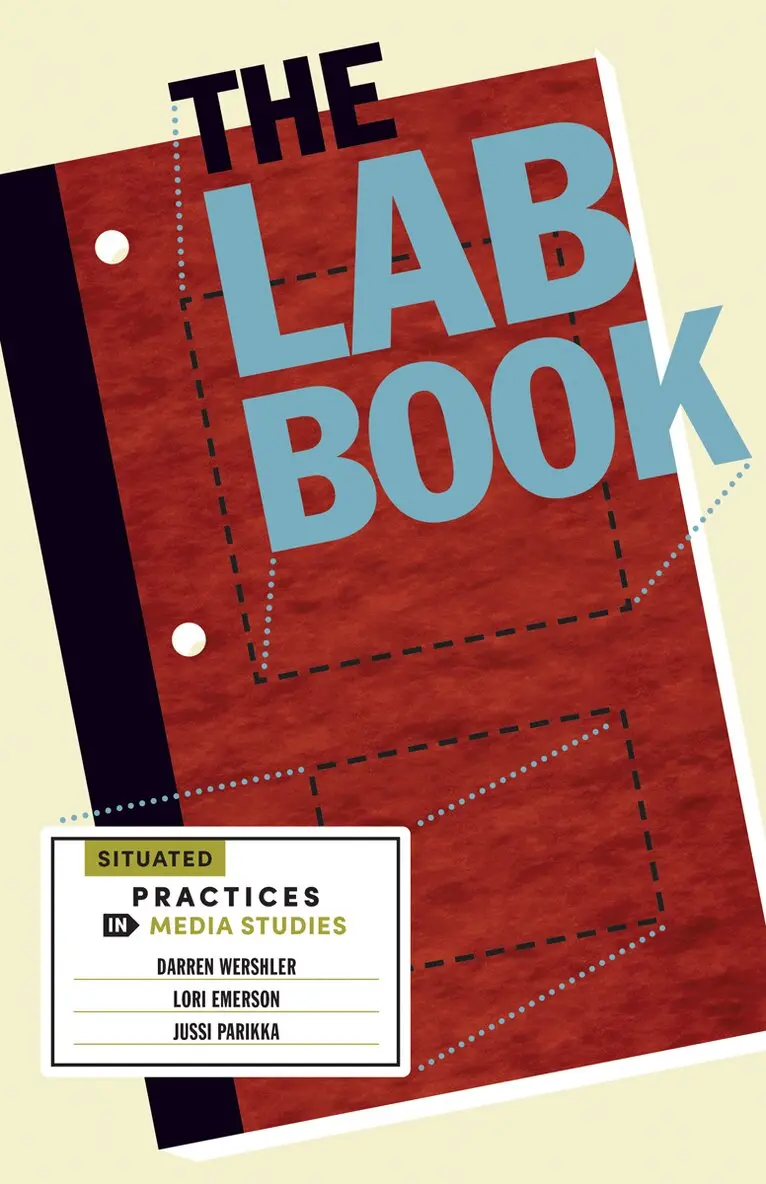
An important new approach to the study of laboratories, presenting a practical method for understanding labs in all walks of lifeFrom the “Big Science” of Bell Laboratories to the esoteric world of sÉance chambers to university media labs to neighborhood makerspaces, places we call “labs” are everywhere-but how exactly do we account for the wide variety of ways that they produce knowledge? More than imitations of science and engineering labs, many contemporary labs are hybrid forms that require a new methodological and theoretical toolkit to describe. The Lab Book investigates these vital, creative spaces, presenting readers with the concept of the “hybrid lab” and offering an extended-and rare-critical investigation of how labs have proliferated throughout culture.Organized by interpretive categories such as space, infrastructure, and imaginaries, The Lab Book uses both historical and contemporary examples to show how laboratories have become fundamentally connected to changes in the contemporary university. Its wide reach includes institutions like the MIT Media Lab, the Tuskegee Institute’s Jesup Wagon, ACTLab, and the Media Archaeological Fundus. The authors cover topics such as the evolution and delineation of lab-based communities, how labs’ tools and technologies contribute to defining their space, and a glossary of key hybrid lab techniques.Providing rich historical breadth and depth, The Lab Book brings into focus a critical, but often misunderstood, aspect of the contemporary arts and humanities.
Häftad, Engelska, 2022
320 kr
Skickas inom 5-8 vardagar
An important new approach to the study of laboratories, presenting a practical method for understanding labs in all walks of lifeFrom the “Big Science” of Bell Laboratories to the esoteric world of sÉance chambers to university media labs to neighborhood makerspaces, places we call “labs” are everywhere-but how exactly do we account for the wide variety of ways that they produce knowledge? More than imitations of science and engineering labs, many contemporary labs are hybrid forms that require a new methodological and theoretical toolkit to describe. The Lab Book investigates these vital, creative spaces, presenting readers with the concept of the “hybrid lab” and offering an extended-and rare-critical investigation of how labs have proliferated throughout culture.Organized by interpretive categories such as space, infrastructure, and imaginaries, The Lab Book uses both historical and contemporary examples to show how laboratories have become fundamentally connected to changes in the contemporary university. Its wide reach includes institutions like the MIT Media Lab, the Tuskegee Institute’s Jesup Wagon, ACTLab, and the Media Archaeological Fundus. The authors cover topics such as the evolution and delineation of lab-based communities, how labs’ tools and technologies contribute to defining their space, and a glossary of key hybrid lab techniques.Providing rich historical breadth and depth, The Lab Book brings into focus a critical, but often misunderstood, aspect of the contemporary arts and humanities.